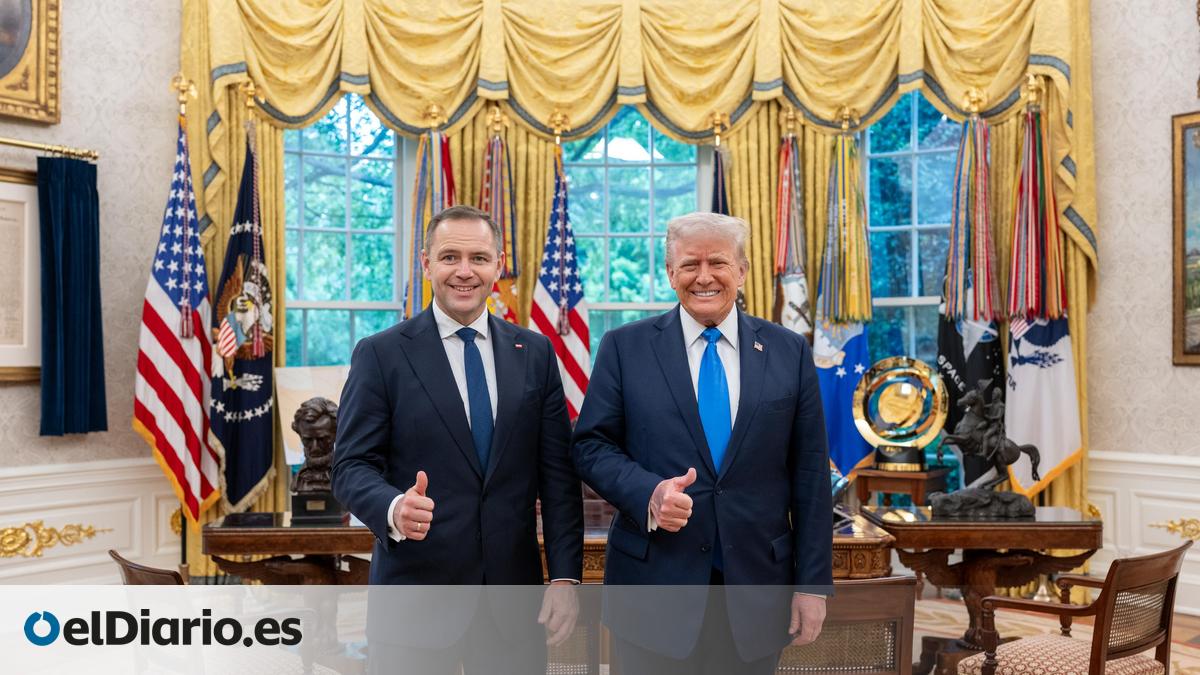
In a significant shift in transatlantic military posture, U.S. President Donald Trump announced on Thursday that the United States will deploy 5,000 additional troops to Poland. This decision, communicated via social media, follows the administration’s recent confirmation that it is withdrawing an equal number of personnel from Germany. The move highlights the evolving priorities of the current U.S. Administration as it recalibrates its global military footprint.
The redeployment comes amid heightened diplomatic friction between Washington, and Berlin. Relations have been strained following public criticism from German Chancellor Friedrich Merz regarding the U.S. Approach to the ongoing conflict in Iran. According to officials, the withdrawal of 5,000 troops from Germany is directly linked to these tensions, with the U.S. Leadership signaling that personal and political alignment remains a cornerstone of its international alliances.
The U.S. Military presence in Germany has been a fixture of European security since the end of World War II. The recent departure of these forces, confirmed by the Supreme Allied Commander Europe, General Alexus Grynkewich, marks a notable reduction in the long-standing American footprint in the country. This adjustment has prompted discussions across the European Union regarding the future of trans-Atlantic cooperation and the continent’s own defense responsibilities.
Strengthening Ties with Warsaw
President Trump’s decision to bolster forces in Poland is framed as a commitment to the administration’s relationship with the Polish leadership. President Karol Nawrocki, who has held office since August 2025, has emerged as a key strategic partner for the U.S. In the region. The President noted that the reinforcement is based on the current administration’s support for Nawrocki’s mandate and the ongoing cooperation between the two nations.

Poland’s political landscape remains complex, with President Nawrocki representing the Law and Justice (PiS) party. This administration stands in contrast to the coalition led by Prime Minister Donald Tusk, whose government took power following the 2023 elections. The U.S. Decision to prioritize a military buildup in Poland serves to underscore the weight Washington places on specific regional partnerships, even as those choices influence the broader internal dynamics of European politics.
The Evolving Strategy of “NATO 3.0”
The movement of troops is occurring against the backdrop of a broader strategic evolution within the North Atlantic Treaty Organization. Last week, NATO Secretary General Mark Rutte articulated the concept of “NATO 3.0,” a framework designed to encourage European member states to assume greater responsibility for their own conventional defense. The strategy aims to provide the United States—which faces multiple global strategic challenges—the flexibility to reorient its resources, including toward the Indo-Pacific theater.
General Pierre Dominique André Vandier, NATO’s Supreme Allied Commander Transformation, has emphasized the necessity for Europe to increase defense spending significantly. According to the General, such investments are vital to maintaining “real capacity, interoperability, and deterrence” in an era where Russia and its allies have demonstrated a capacity for rapid military adaptation. This shift toward a more self-reliant European defense posture appears to be a core objective for the U.S. Administration as it balances its commitments in Europe against other global priorities.
Impact on Transatlantic Relations
The simultaneous withdrawal from Germany and expansion in Poland has drawn significant attention to the state of EU-U.S. Relations. While the Pentagon had previously signaled a potential reduction in planned troop deployments to Poland—specifically regarding a 4,000-strong armored brigade—the President’s latest announcement serves as a correction to that trajectory. Military officials have argued that the overall reduction in U.S. Troop levels across the continent is supported by the fact that European allies have collectively strengthened their own combat power in the land domain.
Despite these justifications, the maneuver reflects a period of transition. As the alliance navigates these changes, the focus remains on whether the current strategy will successfully maintain regional stability while allowing the U.S. To address emerging threats elsewhere. The situation remains fluid, with observers in both Brussels and Washington awaiting further details on the specific timelines for the troop movements and the long-term impact on the NATO command structure.
Key Developments at a Glance
- Germany Withdrawal: 5,000 U.S. Troops are being redeployed from Germany, a move linked to diplomatic disagreements between President Trump and Chancellor Merz.
- Poland Reinforcement: 5,000 additional U.S. Soldiers are slated for deployment to Poland to strengthen ties with President Karol Nawrocki’s administration.
- Strategic Pivot: The moves align with the “NATO 3.0” strategy, which encourages European nations to take a larger role in conventional defense to allow U.S. Assets to address other global scenarios.
- Defense Spending: NATO leadership continues to urge member states to enhance their military capabilities to ensure effective deterrence.
As of this writing, no further official announcements regarding the specific deployment dates have been released by the Department of Defense. We will continue to monitor the situation as the Pentagon provides updates on the logistics of these troop movements. We invite our readers to share their perspectives on these developments in the comments section below.
Keep reading
- National Guard in DC to move from hotels into short-term apartments
- EEUU suspende bombardeos contra Irán mientras Trump apuesta por una solución diplomática – BioBioChile
- Donald Trump Returns to White House Correspondents’ Association Dinner (archyworldys.com)
- Trump’s Luxury Air Force One: Rushed Retrofit Raises Safety and Cost Concerns (archynewsy.com)