Managing cardiovascular health often feels like navigating a complex maze of medical advice, yet the foundation remains grounded in the simple, daily choices we make in our kitchens. As a physician, I frequently discuss the importance of lipid profiles with my patients in Berlin. While modern medicine offers powerful tools to manage hyperlipidemia, dietary interventions remain the cornerstone of long-term heart health. Incorporating specific, science-backed foods into your routine can be a highly effective strategy for lowering LDL cholesterol and improving overall arterial function.
When we talk about natural ways to lower cholesterol, we are essentially looking at how certain compounds, such as soluble fiber, plant sterols, and heart-healthy fats, interact with our digestive system to prevent the absorption of excess cholesterol. According to the American Heart Association, maintaining healthy cholesterol levels is a lifelong process that balances nutrition, physical activity, and, when necessary, clinical intervention. It is important to remember that while diet is transformative, it is not a universal substitute for prescribed medication in cases of familial hypercholesterolemia or advanced cardiovascular disease.
The Science of Soluble Fiber and Heart Health
The most effective dietary ally in the fight against elevated LDL—often termed “bad” cholesterol—is soluble fiber. When consumed, this type of fiber forms a gel-like substance in the gut, which binds to cholesterol particles and facilitates their removal from the body before they enter the bloodstream. Oats and barley, for instance, contain a specific type of soluble fiber called beta-glucan. Research published by the Mayo Clinic indicates that consuming 5 to 10 grams or more of soluble fiber a day decreases your LDL cholesterol.

To put this into perspective, a single bowl of oatmeal provides about 1 to 2 grams of soluble fiber. By adding fresh fruit—such as strawberries or apples—you can easily boost that intake. This simple dietary adjustment is one of the most accessible ways to support cardiovascular health. The key is consistency. these changes are most effective when they become a permanent part of your daily rhythm rather than a temporary fix.
Five Everyday Foods for Lipid Management
Beyond oats, there are several other staples that have earned their place in the heart-healthy pantheon. Integrating these into your meals can provide a synergistic effect on your lipid profile:

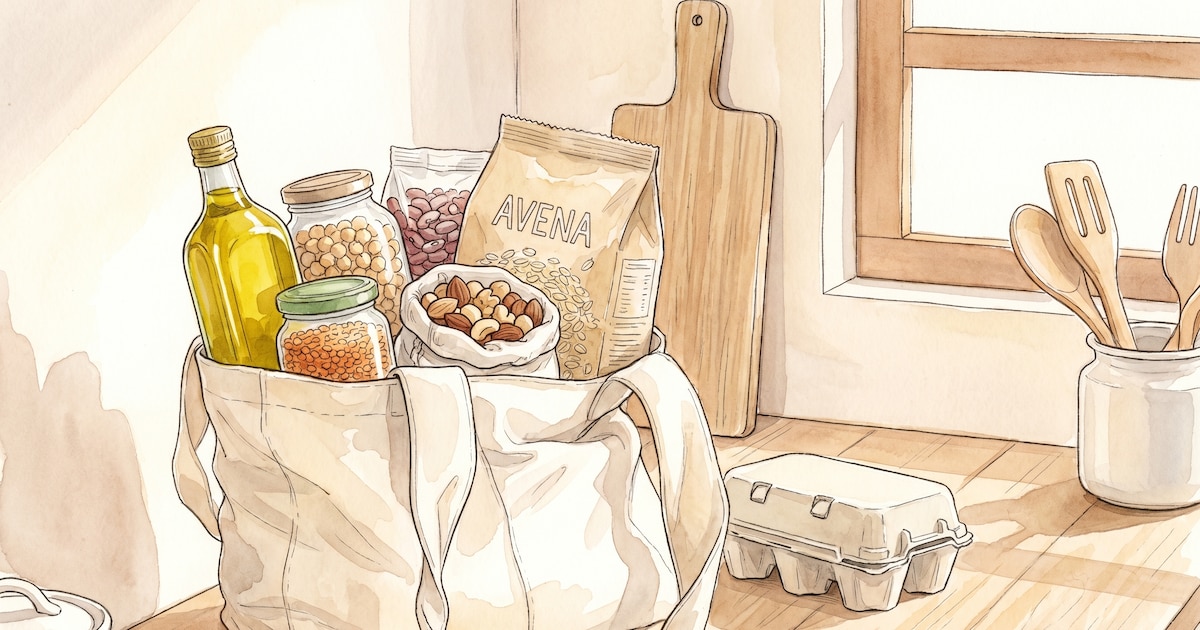
- Legumes (Beans, Lentils, and Chickpeas): These are exceptionally high in soluble fiber and take time for the body to digest, which helps maintain stable blood sugar levels while actively working to lower cholesterol.
- Nuts (Walnuts and Almonds): Rich in polyunsaturated fatty acids, these nuts help keep blood vessels healthy. The Harvard Medical School notes that eating about two ounces of nuts a day can slightly lower LDL, on the order of 5%.
- Fatty Fish: Salmon, mackerel, and sardines are packed with omega-3 fatty acids. While they don’t lower LDL directly in the same way fiber does, they significantly reduce triglycerides and protect the heart by lowering blood pressure and the risk of developing blood clots.
- Avocados: A dense source of monounsaturated fats and fiber, avocados are a powerful tool for those looking to replace saturated fats in their diet, which is a critical step in lowering cholesterol levels.
- Extra Virgin Olive Oil: The backbone of the Mediterranean diet, this oil contains a potent mix of antioxidants that can lower “bad” cholesterol without affecting the “good” HDL cholesterol.
the impact of these foods is most pronounced when they replace less healthy options. For example, swapping butter for olive oil or choosing legumes over red meat provides a dual benefit: you are simultaneously reducing your intake of harmful saturated fats and increasing your intake of protective nutrients.
Navigating the Limits of Dietary Intervention
In my clinical practice, I often encounter patients who are frustrated that their cholesterol levels remain high despite rigorous dietary discipline. It is vital to understand that the liver produces cholesterol naturally, and for many people, genetics play a larger role than diet. According to the Centers for Disease Control and Prevention (CDC), factors such as age, family history, and physical activity level are major contributors to blood cholesterol levels that diet alone cannot always overcome.
If your physician has recommended statins or other lipid-lowering therapies, it is because your clinical risk assessment—which accounts for your overall cardiovascular profile, including blood pressure and smoking status—suggests that diet alone is insufficient to prevent major adverse cardiac events. Never discontinue or adjust prescribed medication based on dietary changes without first consulting your healthcare provider.
Future Outlook and Clinical Guidance
The field of lipidology continues to evolve, with new research focusing on the gut microbiome’s role in cholesterol metabolism. As we learn more, the advice remains clear: prioritize whole, plant-based foods, minimize processed sugars and saturated fats, and stay engaged with your medical team. Regular screenings are the only way to know if your lifestyle changes are effectively hitting your target lipid numbers.
For those looking to track their progress, the European Society of Cardiology provides updated guidelines on cardiovascular disease prevention that emphasize the importance of personalized risk assessment. If you found this analysis helpful, I encourage you to share this article with your community and join the conversation in the comments section below. Your heart health is a journey, and staying informed is the best way to navigate it.
Worth a look