
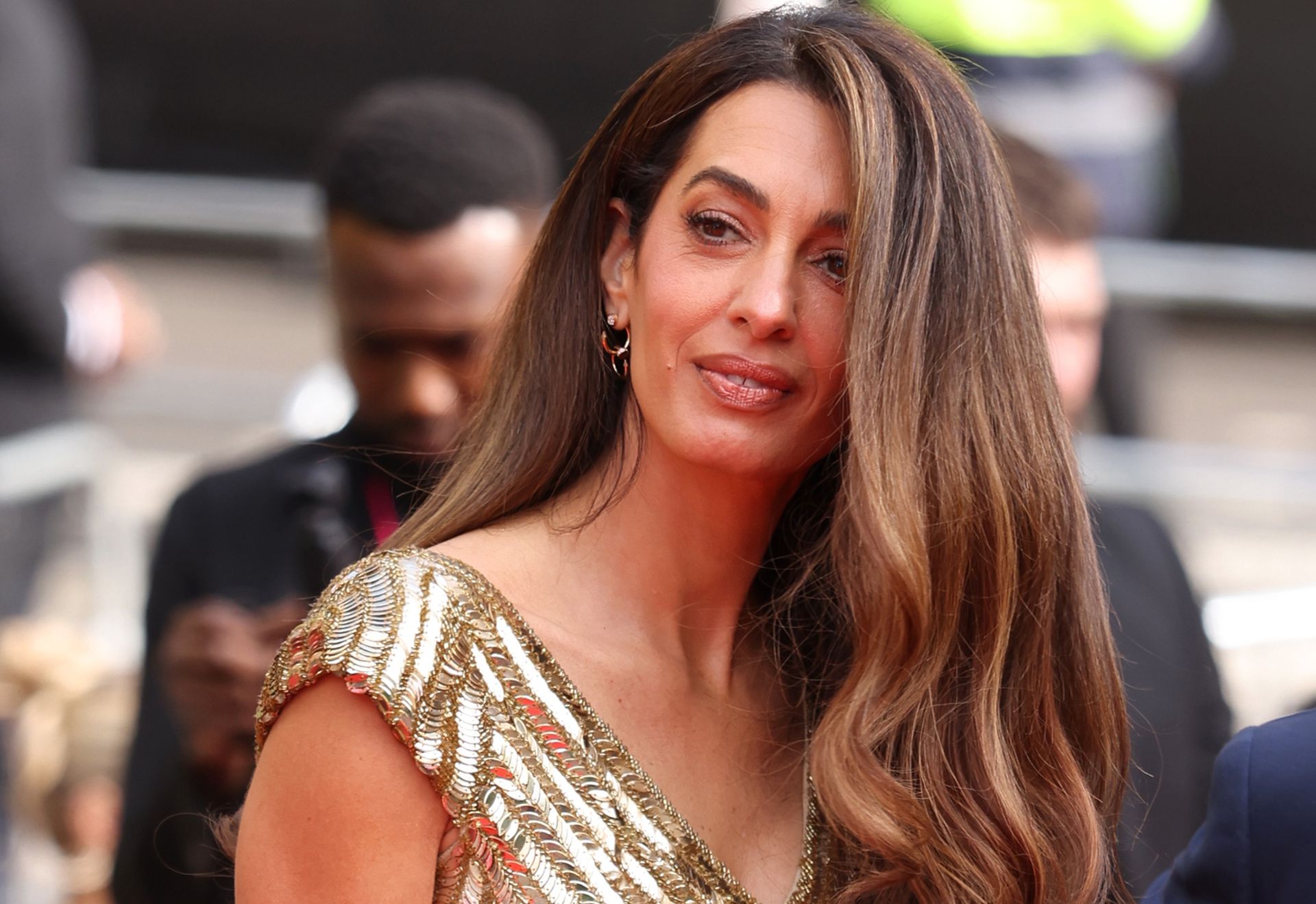
There is a specific kind of magnetism that occurs when light hits a surface designed to look less like fabric and more like liquid metal. In the world of high fashion, this phenomenon has coalesced into a trend known as “molten gold”—an aesthetic that moves beyond the traditional shimmer of sequins to embrace a fluid, high-gloss finish that mimics gold in its melted state.
For the global observer, the rise of this look is not merely about opulence; it is about the command of space. Whether appearing on the red carpets of major film festivals or in the avant-garde collections of European fashion houses, molten gold creates a visual focal point that is nearly impossible to ignore. It transforms the wearer into a living sculpture, blending the boundaries between jewelry, and clothing.
As we move through the current fashion cycle, the “liquid gold” effect has transitioned from a niche runway experiment to a broader statement of confidence. While traditional gold tones can sometimes feel static or overly formal, the molten variation introduces a sense of movement and modernity, reflecting a wider cultural shift toward “maximalism” where bold textures and unapologetic brilliance are celebrated.
Defining the Molten Gold Aesthetic
At its core, the molten gold trend is defined by its reflective properties. Unlike matte gold or glittery finishes, molten gold utilizes specific textile technologies—such as high-shine lamé, metallic-coated silks, and innovative synthetic blends—to create a seamless, mirror-like surface. The goal is to eliminate the visible “grain” of the fabric, making the garment appear as though it were poured over the body.
This aesthetic relies heavily on the interplay of light and shadow. Because the material is so highly reflective, the garment changes appearance as the wearer moves, creating a dynamic visual experience. This “liquid” quality is often enhanced by draping techniques, such as cowl necks, bias cuts, and asymmetrical folds, which further emphasize the illusion of flowing metal.
From a design perspective, this trend represents a marriage of luxury and technology. The production of these fabrics requires precise coating processes to ensure the metallic finish remains flexible and durable without cracking, allowing the garment to maintain its “molten” appearance even during movement.
The Influence of the Red Carpet and High Fashion
The proliferation of molten gold is deeply tied to the influence of luxury houses that prioritize architectural silhouettes. Designers have long used gold to signify power and prestige, but the shift toward the “molten” look allows for a more contemporary interpretation of wealth. By focusing on the texture of the metal rather than just the color, fashion houses create pieces that feel futuristic rather than historical.
On the red carpet, this trend serves a strategic purpose: visibility. In an era of high-definition photography and social media saturation, molten gold captures light more efficiently than almost any other fabric, ensuring that the wearer stands out against any backdrop. It is a choice often made by those seeking to project an image of absolute authority and glamour.
the trend has been bolstered by the resurgence of 1970s-inspired glamour, where metallic fabrics were used to evoke a sense of disco-era liberation. However, the modern iteration is more refined, swapping the loud glitter of the past for a sophisticated, streamlined glow that aligns with current luxury standards.
How to Style Molten Gold Without Overpowering the Look
The primary challenge of wearing molten gold is its inherent intensity. Because the fabric is a visual powerhouse, the rest of the ensemble must be carefully curated to avoid looking like a costume. The key to successfully integrating this trend into a wardrobe is balance.

One of the most effective ways to ground a molten gold piece is by pairing it with neutral, matte tones. A liquid gold slip dress, for example, finds its perfect counterpoint in a structured black oversized blazer or a minimalist white coat. The contrast between the high-shine metal and the flat texture of the neutral fabric prevents the gold from becoming overwhelming.
For those less inclined toward full-body metallics, the trend can be adopted through strategic accents. A molten gold clutch, a pair of liquid-finish heels, or a structured metallic belt can add a touch of luxury to a monochromatic outfit. The secret lies in treating the gold as a neutral—a bold one, but a neutral nonetheless—that can be paired with deep emerald greens, royal blues, or classic blacks to create a sophisticated palette.
Texture mixing is another advanced styling technique. Pairing molten gold with organic materials—such as raw silk, cashmere, or high-quality leather—creates a sensory contrast that adds depth to the look. This prevents the outfit from appearing one-dimensional and signals a thoughtful approach to fashion.
The Psychology of Metallic Fashion
Beyond the visual appeal, the choice to wear molten gold often reflects a psychological state of confidence and openness. Gold has historically been associated with the sun, divinity, and success. By wearing a version of gold that looks fluid and active, the wearer signals a dynamic approach to these traditional symbols of power.
In a professional or social context, molten gold acts as a “power color.” It demands attention and suggests a level of boldness that is rare in standard attire. This makes it a popular choice for milestone events, awards ceremonies, and high-profile appearances where the goal is to leave a lasting impression of strength and elegance.
the trend mirrors a broader movement toward “dopamine dressing”—the practice of wearing clothes that actively boost the wearer’s mood. The brilliance and luminosity of molten gold are naturally uplifting, providing a sense of celebration and optimism that resonates with a global audience seeking moments of joy and splendor.
Key Takeaways for Adopting the Trend
- Focus on Fluidity: Look for fabrics like lamé or metallic silk that drape naturally to achieve the “liquid” effect.
- Balance with Mattes: Pair high-shine gold with flat textures (black, white, or beige) to maintain sophistication.
- Start Small: If a full garment feels too bold, incorporate molten gold through accessories like bags or footwear.
- Play with Contrast: Combine the metallic finish with organic fabrics like cashmere or leather for added depth.
- Light is Everything: Remember that molten gold is designed to react to light; it is most effective in evening settings or under professional lighting.
As the fashion world continues to evolve, the molten gold trend is likely to shift from evening wear into more versatile, day-to-night pieces. We can expect to see the influence of liquid metallics in tailored trousers or structured outerwear, further integrating this high-impact aesthetic into the modern wardrobe.

The next major checkpoint for this trend will be the upcoming autumn/winter fashion showcases, where designers typically experiment with heavier metallic fabrics and layered textures. Whether it remains a red-carpet staple or evolves into a street-style phenomenon, the allure of “liquid gold” remains rooted in the timeless human desire for brilliance and distinction.
Do you think the molten gold trend is a timeless evolution of luxury or a passing phase of maximalism? Share your thoughts in the comments below and let us know how you would style this bold look.