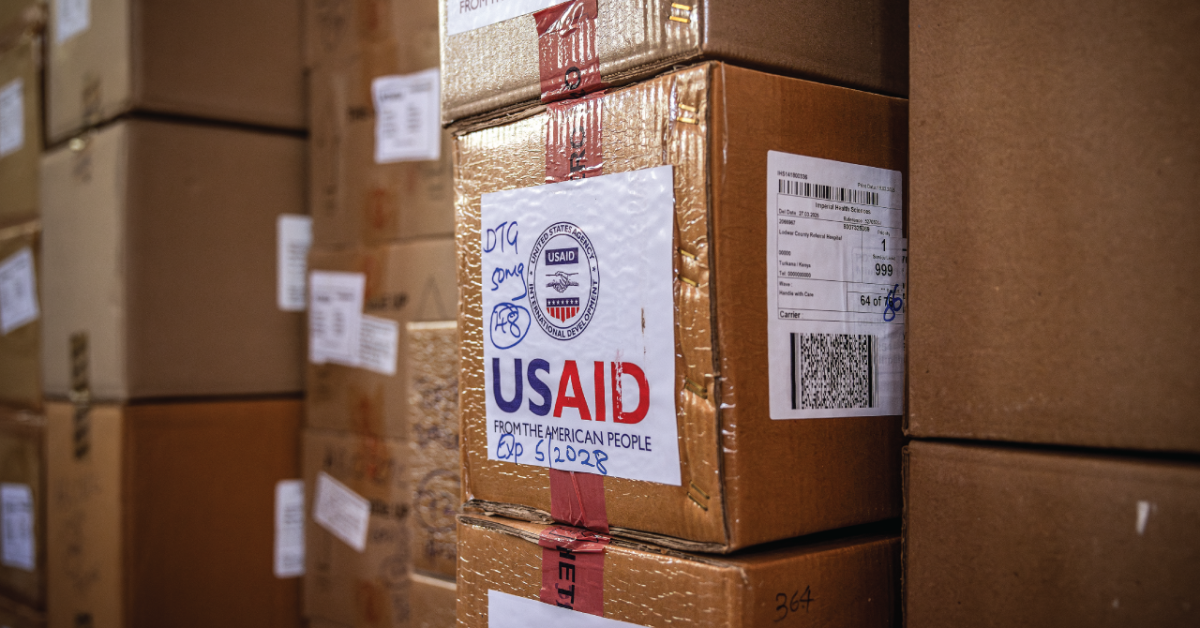
Public opinion across 16 middle-income countries reveals significant uncertainty regarding the impact of potential reductions in U.S. humanitarian aid, though sentiment among those with a formed perspective leans toward the negative. As Washington reassesses its foreign assistance budget and priorities, populations in nations that frequently receive U.S. development and emergency support are expressing concern about the potential for diminished services, infrastructure instability, and reduced access to essential resources.
The United States remains the world’s largest donor of humanitarian aid, providing billions annually through the U.S. Agency for International Development (USAID) and other federal channels. According to the Congressional Research Service, U.S. foreign aid obligations have fluctuated over recent fiscal years, often sparking debates within Congress regarding the balance between domestic spending and international commitments. In middle-income countries—nations that have transitioned out of low-income status but still face significant developmental challenges—the reliance on these funds often bridges gaps in healthcare, education, and disaster response.
Public Sentiment and the Knowledge Gap
Surveys conducted across these middle-income regions indicate that while news of potential funding cuts reaches local populations, a substantial portion of citizens report they do not know how such shifts would affect their daily lives. This “information gap” highlights a disconnect between high-level diplomatic budget negotiations in Washington and the communities on the ground that receive the resulting support. Researchers suggest that for many, the complex mechanics of international aid—which often flow through non-governmental organizations (NGOs) or multilateral institutions rather than directly to individuals—make it difficult for the average citizen to trace the source of their local services back to U.S. policy.
Among the subset of respondents who expressed a clear opinion, the prevailing sentiment is negative. Fears center on the loss of programs that address chronic issues such as food insecurity, maternal health, and climate adaptation. In many of the surveyed countries, U.S. aid is viewed not as a luxury, but as a stabilizing force for critical public services. When residents anticipate these funds being curtailed, their primary concern is the potential for increased economic instability and a decline in the quality of social safety nets.
The Role of Foreign Assistance in Development
Foreign aid is frequently structured around specific, multi-year grant cycles. When these cycles are threatened by budget uncertainty in the U.S. legislative branch, the impact on recipient countries can be immediate. According to the State Department’s budget justifications, foreign assistance is a core component of U.S. national security, intended to foster economic growth and regional stability. For middle-income countries, this aid often takes the form of technical assistance or capacity-building projects, which are designed to help nations become self-sufficient.
However, the transition from aid-dependence to self-reliance is rarely linear. Economists often point out that sudden withdrawals of support can lead to “developmental backsliding.” If health clinics or agricultural programs are forced to close due to a loss of external funding, the progress achieved over the previous decade can be rapidly reversed. This dynamic contributes to the anxiety observed in the surveyed populations, who see the potential for disruption in sectors that are still in the process of building long-term institutional capacity.
Geopolitical Implications and Next Steps
The uncertainty felt by citizens in these 16 countries is mirrored by the strategic caution of local governments. Many of these nations are currently balancing their relationships with the U.S. against growing influence from other global powers, such as China, which has significantly expanded its own development financing in recent years. If U.S. humanitarian aid were to drop, analysts suggest that some governments might pivot toward alternative lenders or partners, potentially altering the long-term geopolitical alignment of the region.
The next major checkpoint for these concerns will be the release of the U.S. President’s Fiscal Year 2026 budget request, which typically provides the first concrete indication of the executive branch’s priorities for international affairs. Following the release of this document, the House Committee on Appropriations and the Senate Committee on Appropriations will hold a series of budget hearings. These proceedings will determine the final allocation for the Department of State and foreign operations. Citizens and policy observers in middle-income countries are expected to monitor these hearings, as the outcome will dictate the scope of U.S. involvement in their local development projects for the coming years.
This evolving situation remains subject to intense legislative debate in Washington. Readers interested in the specifics of U.S. foreign assistance policy can monitor official updates via the USAID official website or the U.S. Department of State’s foreign policy portal. We welcome your thoughts on how international aid impacts your community; please join the discussion in the comments section below.
Keep reading