How City Road Infrastructure and Traffic Are Shaping Mental Health in Urban Communities
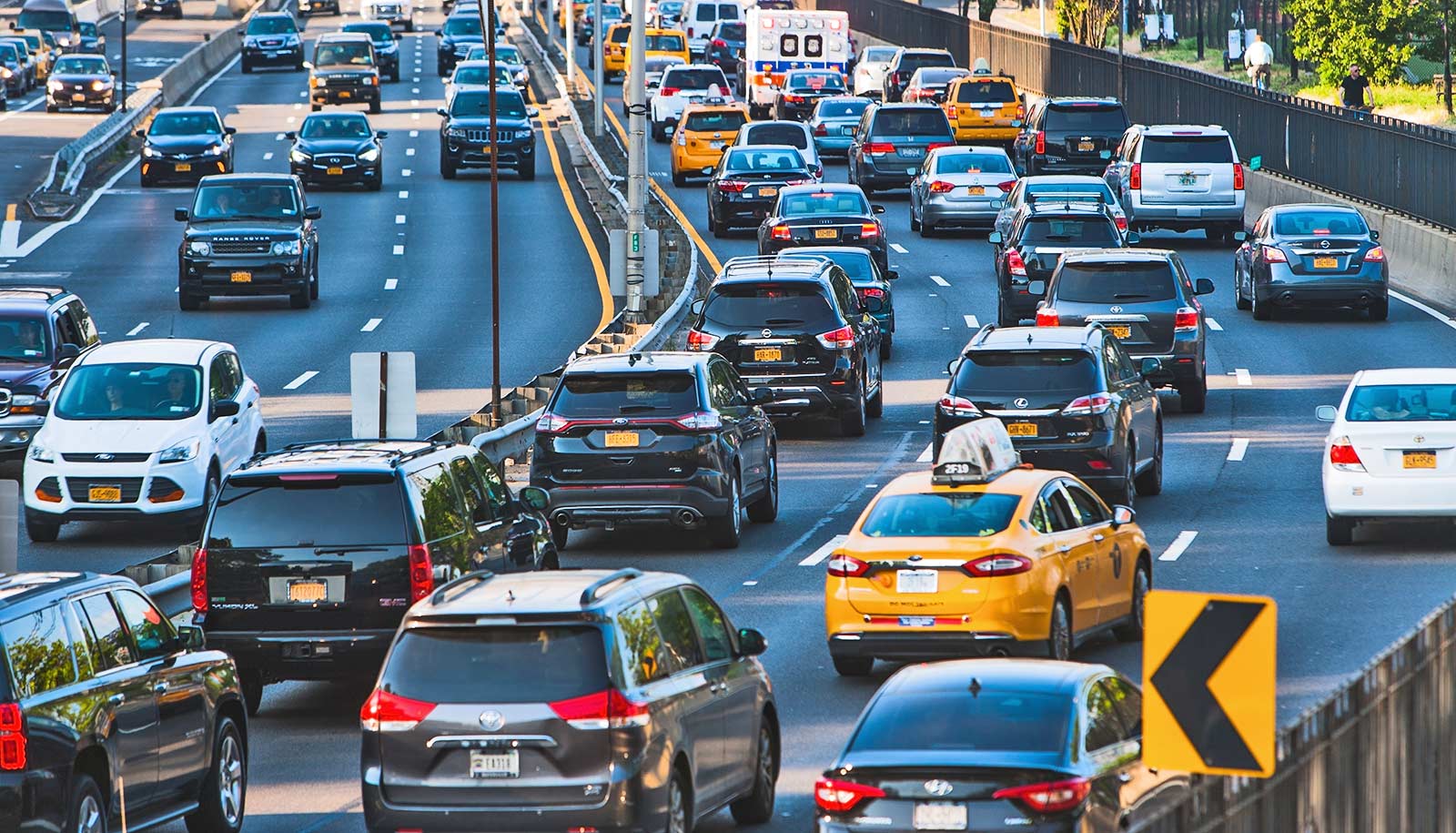
When we suppose about the mental health impacts of urban living, air pollution and noise often come to mind. But what if the roads themselves—how they’re designed, where they’re placed, and how they shape our daily movements—are just as influential? A groundbreaking study from researchers at Brown University and Columbia University has uncovered a striking link between community isolation caused by road infrastructure and increased hospital visits related to schizophrenia and other mental health disorders. The findings suggest that even as cities shift toward cleaner transportation, the way roads divide neighborhoods may be silently eroding mental wellbeing.
The study, published in Environmental Epidemiology, focused on New York City, where researchers analyzed ZIP code-level data on hospital visits for mood, anxiety, adjustment, and schizophrenia disorders. What they found was alarming: communities cut off by highways, heavy traffic, and poor pedestrian infrastructure saw significantly higher rates of schizophrenia-related hospital visits—regardless of air pollution levels. The effect held true across all age groups, pointing to a deeper, often overlooked factor in urban mental health.
“Imagine an environment where cars are present, but do not dominate, and where walkable routes connect neighbors’ homes, children play outside, and people gather to talk,” says Jaime Benavides, an investigator in epidemiology at Brown University’s School of Public Health and lead author of the study. “We wanted to understand how road infrastructure that prevents these interactions influences mental health.”
The Community Severance Index: Measuring Isolation in Concrete Terms
To quantify the impact of road infrastructure on social cohesion, the research team developed a novel metric called the Community Severance Index. This tool evaluates how roads, traffic, and the absence of pedestrian-friendly features like sidewalks and crosswalks physically and socially disconnect communities. The index was originally created by Marianthi-Anna Kioumourtzoglou, a professor of epidemiology and environment and society at Brown University’s Center for Climate, Environment and Health, who co-led the study.
The index goes beyond traditional measures of urban density or pollution exposure. Instead, it captures the tangible barriers that prevent people from moving freely within their neighborhoods—whether it’s a six-lane highway cutting through a residential area or a lack of safe crossings that forces residents to grab long detours. In New York City, these barriers were found to correlate strongly with higher rates of schizophrenia-related hospital visits, even after accounting for other known risk factors like socioeconomic status and air quality.
“We have increasing evidence that air pollution impacts mental health,” Kioumourtzoglou notes. “One proposed solution is transitioning to an electrified vehicle fleet, which would reduce emissions—a positive step. But our study shows that might not be enough. We need to move away from car dependency and toward designing communities that foster connection rather than isolation.”
Why Road Infrastructure Affects Mental Health
The study did not delve into the specific mechanisms behind the link between community isolation and mental health, but the researchers outlined several plausible pathways. Communities severed by roads often face:
- Limited access to goods and services: Residents may struggle to reach grocery stores, healthcare facilities, or public transportation, increasing stress and reducing quality of life.
- Reduced physical activity: Poor pedestrian infrastructure discourages walking, which is not only beneficial for physical health but also for mental wellbeing. Studies have shown that regular physical activity can reduce symptoms of depression, and anxiety.
- Increased psychological stress: Constant exposure to heavy traffic and unsafe road conditions can elevate stress levels, particularly for vulnerable groups like children and the elderly.
- Weaker social ties: When roads act as barriers, neighbors are less likely to interact, leading to a breakdown in community support networks. Social isolation is a well-documented risk factor for mental health disorders, including schizophrenia.
These factors align with broader research on the mental health impacts of urban living. A 2006 study published in BMC Psychiatry found that urbanization itself is associated with a higher risk of schizophrenia, though the exact causes remain unclear. The new study from Brown and Columbia suggests that road infrastructure may be a key piece of the puzzle, independent of other urban stressors like pollution or noise.
Urban Planning as a Mental Health Intervention
The findings underscore the role of urban planning in shaping public health. While mental health disorders are complex and multifactorial, the study highlights that certain environmental exposures—like traffic patterns and road design—are within the control of policymakers and city planners.
“Reducing vehicular traffic, creating more accessible parks, and limiting highways that cut through communities can improve collective mental wellbeing,” Benavides says. These changes don’t require medical breakthroughs or new technologies; they demand a shift in how cities are designed and prioritize people over cars.
Some cities are already taking steps in this direction. For example, Barcelona’s superblock model restricts through-traffic in residential areas, creating pedestrian-friendly spaces that encourage social interaction. Similarly, cities like Paris and Amsterdam have invested in expanding bike lanes and pedestrian zones, reducing car dominance in urban centers. While these initiatives are often framed as climate or transportation solutions, they may also have unintended mental health benefits.
However, retrofitting existing infrastructure is a challenge. Many cities, particularly in the U.S., were designed around car dependency, with highways often built through low-income and minority neighborhoods—a legacy of mid-20th-century urban planning that prioritized efficiency over equity. Addressing these disparities will require targeted investments in pedestrian infrastructure, public transportation, and green spaces in underserved communities.
What’s Next for Research and Policy?
The researchers are already expanding on their operate in two key ways. First, they are developing a generalizable Community Severance Index that can be applied to other large U.S. Cities, allowing for broader comparisons and more targeted interventions. Second, they are collaborating with Brown’s Center on Heat, Health, and Aging Innovation and Research Solutions for Communities to study how extreme heat, air pollution, and community isolation interact to affect the mental health of elderly populations—a group particularly vulnerable to environmental stressors.
This work is supported by the National Institute of Environmental Health Sciences (NIEHS) and the National Institute on Aging (NIA), reflecting growing recognition of the interplay between environment and mental health in aging populations.
For policymakers, the study offers a clear call to action: urban planning decisions have real consequences for mental health. As cities grapple with the dual challenges of climate change and public health crises, rethinking road infrastructure could be a powerful tool for improving wellbeing. This might include:
- Prioritizing pedestrian and cyclist safety in road design.
- Limiting the expansion of highways through residential areas.
- Investing in green spaces and parks that encourage social interaction.
- Redesigning existing infrastructure to reduce community severance, such as adding pedestrian bridges or underground crossings.
Key Takeaways
- Road infrastructure matters for mental health: Communities isolated by highways, heavy traffic, and poor pedestrian infrastructure show higher rates of schizophrenia-related hospital visits, independent of air pollution.
- The Community Severance Index: This new metric quantifies how roads and traffic physically and socially disconnect neighborhoods, offering a tool for urban planners to assess and address isolation.
- Multiple pathways to harm: Road infrastructure may affect mental health by limiting access to services, discouraging physical activity, increasing stress, and weakening social ties.
- Urban planning as prevention: Reducing car dependency, expanding pedestrian infrastructure, and limiting highways through communities could improve mental wellbeing.
- Equity considerations: Low-income and minority neighborhoods are disproportionately affected by car-centric urban design, highlighting the need for targeted interventions.
- Future research: Studies are underway to apply the Community Severance Index to other cities and explore its impact on elderly populations, particularly in the context of extreme heat and air pollution.
What You Can Do
While systemic change requires policy action, individuals can also advocate for healthier urban environments. Here’s how:
- Engage with local government: Attend city council meetings or join advocacy groups focused on pedestrian safety, public transportation, and green spaces. Voice support for policies that prioritize people over cars.
- Support community initiatives: Participate in or donate to local organizations working to improve walkability, such as those advocating for bike lanes, pedestrian crossings, or traffic calming measures.
- Stay informed: Follow research from institutions like Brown University’s School of Public Health and the Columbia Mailman School of Public Health, which are at the forefront of studying environmental impacts on mental health.
- Prioritize social connection: In areas where infrastructure limits interaction, seek out community events, neighborhood gatherings, or local parks to foster connections with others.
As cities continue to grow, the choices we make about how to design them will shape not just our physical environment, but our mental health as well. The study from Brown and Columbia is a reminder that the roads we build—and the communities we connect or divide—have consequences far beyond transportation.
The next phase of research, focusing on elderly populations and the combined effects of heat, pollution, and isolation, is expected to yield further insights in the coming year. For now, the message is clear: building healthier cities means designing spaces that bring people together, not drive them apart.
What steps do you think your city could take to reduce community isolation and improve mental health? Share your thoughts in the comments below, and don’t forget to share this article with others who care about urban wellbeing.
Worth a look
- Microbial Metabolite 10-HSA Repairs Gut Damage in HIV Primate Models
- NASA Space Telescope Rescue Mission in Jeopardy as Recovery Spacecraft Starts Spinning
- SpaceX Rocket Predicted to Hit Moon on August 5: Impact and Analysis (archyde.com)
- Europe Wildfires: Latest Updates and Impact Across France, Greece, and Spain (archynewsy.com)