
Kīlauea Volcano Erupts Again: Spectacular Lava Fountains Light Up Hawaii’s Night Sky
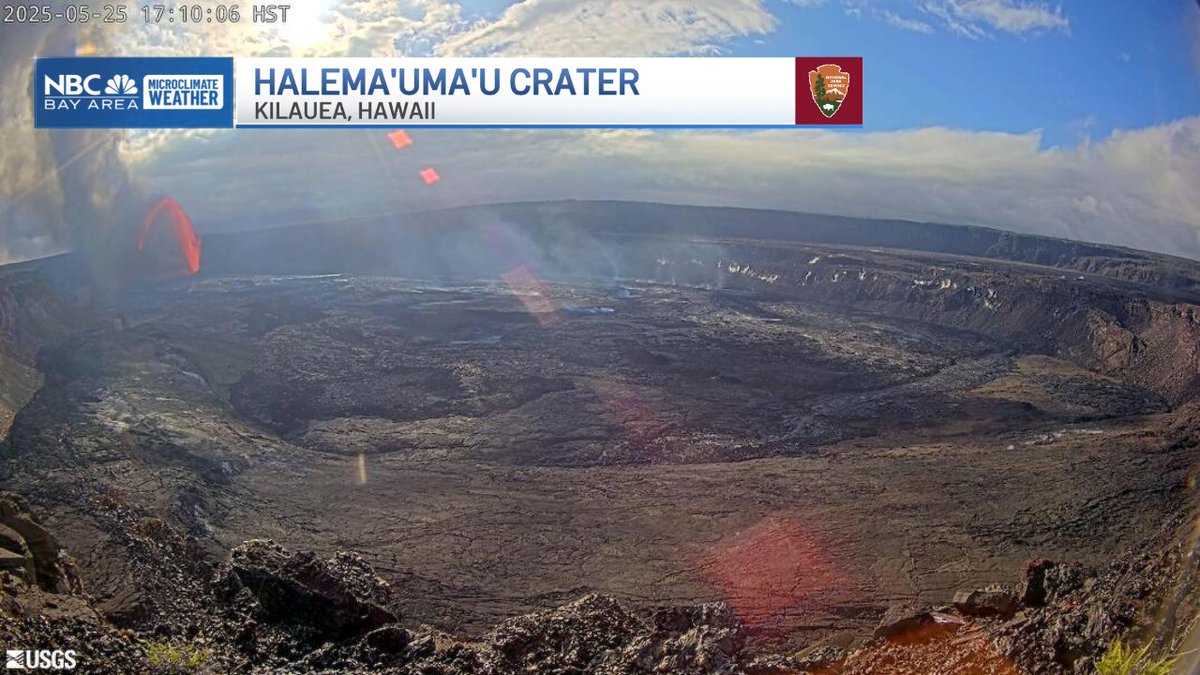
Hawaii’s Kīlauea volcano, one of the most active in the world, has once again captured global attention with its dramatic eruption. Early on the morning of April 23, 2026, the volcano roared back to life for the 45th time since December 2024, sending lava fountains soaring up to 1,000 feet into the air. The breathtaking display, confined within the Halemaʻumaʻu crater inside Hawaiʻi Volcanoes National Park, has drawn crowds of visitors eager to witness the raw power of nature up close.
The United States Geological Survey (USGS) reported that the eruption began around 1:30 a.m. Local time, with molten lava bursting from the volcano’s northern vents. By mid-morning, the fountains had reached their peak height of 1,000 feet before stabilizing at around 500 to 700 feet. The volcanic plume—a mix of lava, gas, steam, and ash—climbed to at least 16,500 feet above ground level, marking the highest point of this eruptive episode.
For those unable to witness the spectacle in person, the USGS provided a livestream of the eruption, offering a mesmerizing view of the bright-orange lava streams. The footage, captured by the Hawaiian Volcano Observatory (HVO), has since gone viral, showcasing the volcano’s fiery display against the backdrop of Hawaii’s lush landscapes.
A Volcano in Constant Motion
Kīlauea, located on the Big Island of Hawaii, is renowned for its frequent and often spectacular eruptions. Since December 2024, the volcano has been in a near-constant state of activity, with 45 eruptive episodes recorded to date. Each eruption has been confined to the Halemaʻumaʻu crater, ensuring that nearby communities remain safe from lava flows and other hazards. According to the USGS, most of these episodes have lasted less than a day, though they continue to draw tourists and researchers alike.
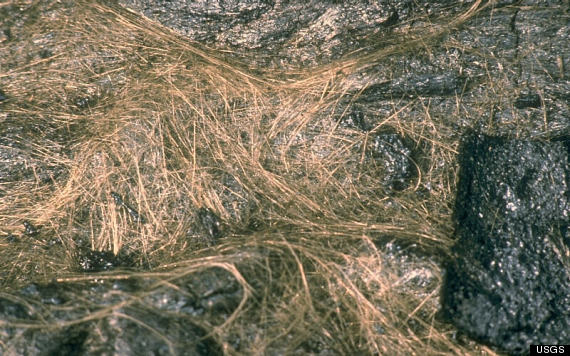
The current alert level for Kīlauea is set at “ADVISORY,” with an aviation color code of “YELLOW,” indicating that the eruption poses limited hazards. The National Weather Service issued an ashfall advisory overnight for communities downwind of the volcano, though the primary risks remain volcanic gas and tephra—tiny rock fragments ejected during eruptions. One such hazard, known as “Pele’s Hair,” consists of thin glass fibers formed by volcanic gas. These delicate strands can be carried by the wind, posing a minor risk to humans if inhaled or if they come into contact with skin or eyes.
The USGS noted in its April 28 update that the eruption at Kīlauea’s summit is currently paused, though seismic activity and ground deformation suggest that lava fountaining could resume within days. Based on tilt data, the HVO forecasts that the next eruptive episode—number 46—could occur between May 2 and May 6, 2026. The tiltmeter at Uēkahuna has recorded significant inflationary tilt since the end of the last eruption, signaling that pressure is building beneath the surface.
Why Kīlauea’s Eruptions Fascinate the World
Kīlauea’s frequent eruptions make it a unique natural laboratory for scientists studying volcanic activity. The volcano’s consistent behavior—characterized by short, intense bursts of lava fountaining—provides researchers with valuable data on magma movement, gas emissions, and seismic patterns. The HVO, which monitors Kīlauea around the clock, uses this information to improve eruption forecasting and public safety measures.
For visitors to Hawaiʻi Volcanoes National Park, Kīlauea offers an unforgettable experience. The park, which spans over 323,000 acres, is home to a diverse range of ecosystems and geological wonders, including the Thurston Lava Tube and the Chain of Craters Road. During eruptive episodes, the park often extends its hours to accommodate the influx of tourists eager to witness the lava flows firsthand. However, officials urge visitors to stay informed about current conditions and adhere to safety guidelines, as volcanic activity can change rapidly.
While Kīlauea’s eruptions are a spectacle to behold, they also serve as a reminder of the dynamic forces shaping our planet. The volcano’s activity is part of the broader geological processes that have formed the Hawaiian Islands over millions of years. As magma rises from deep within the Earth’s mantle, it creates modern land while also posing challenges for those living in its shadow.
What’s Next for Kīlauea?
As of April 28, 2026, the USGS continues to monitor Kīlauea closely. The HVO’s daily updates provide real-time information on seismic activity, gas emissions, and ground deformation, all of which are critical for predicting the volcano’s next move. While the current eruption is paused, the inflationary tilt recorded by the Uēkahuna tiltmeter suggests that another episode is imminent.
For those planning to visit Hawaiʻi Volcanoes National Park in the coming days, the USGS recommends checking the HVO’s volcano updates page for the latest information. The park’s official website also provides updates on road closures, viewing areas, and safety protocols. Visitors are advised to bring protective gear, such as N95 masks, to guard against volcanic gas and ash, and to stay on marked trails to avoid unstable terrain.
In the meantime, the world watches and waits as Kīlauea prepares for its next fiery display. Whether viewed from the safety of a livestream or the edge of the Halemaʻumaʻu crater, the volcano’s eruptions are a testament to the awe-inspiring power of nature.
Key Takeaways
- Eruption Details: Kīlauea’s 45th eruptive episode since December 2024 began on April 23, 2026, with lava fountains reaching up to 1,000 feet.
- Safety: The eruption is confined to the Halemaʻumaʻu crater, posing no immediate threat to nearby communities. However, volcanic gas and tephra remain hazards.
- Monitoring: The USGS and HVO are closely tracking seismic activity and ground deformation to forecast the next eruptive episode, expected between May 2 and May 6, 2026.
- Visitor Information: Hawaiʻi Volcanoes National Park remains open, with extended hours during eruptions. Visitors should check for updates on safety protocols and viewing areas.
- Scientific Significance: Kīlauea’s frequent eruptions provide valuable data for researchers studying volcanic activity and magma dynamics.
Frequently Asked Questions
Q: Is it safe to visit Kīlauea during an eruption?
A: Yes, as long as visitors follow safety guidelines and stay within designated viewing areas. The eruptions are currently confined to the Halemaʻumaʻu crater, away from populated areas.
Q: How often does Kīlauea erupt?
A: Since December 2024, Kīlauea has erupted 45 times, with most episodes lasting less than a day. The volcano is one of the most active in the world.
Q: What is Pele’s Hair?
A: Pele’s Hair refers to thin glass fibers formed by volcanic gas during eruptions. These fibers can be carried by the wind and pose a minor hazard to humans if inhaled or if they come into contact with skin or eyes.
Q: Where can I find the latest updates on Kīlauea’s activity?
A: The USGS Hawaiian Volcano Observatory provides daily updates on its volcano updates page. The Hawaiʻi Volcanoes National Park website also offers information on viewing conditions and safety protocols.
As Kīlauea continues to captivate the world with its fiery displays, one thing is certain: this volcano is far from done putting on a show. For the latest updates, follow the USGS and Hawaiʻi Volcanoes National Park on social media, and share your own experiences in the comments below. Have you witnessed Kīlauea’s eruptions in person? We’d love to hear your stories!
Worth a look