
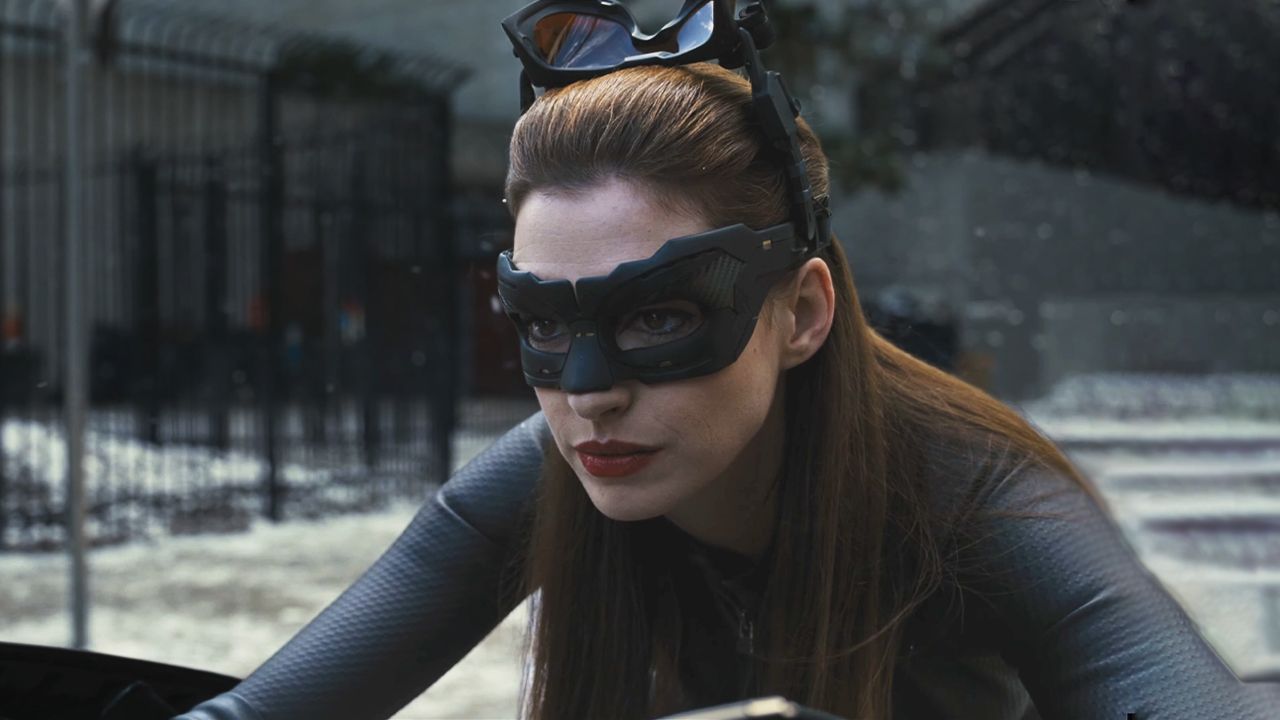
Anne Hathaway has reflected on a past interview moment where she felt offended by questions about weight loss during her preparation for the role of Catwoman in The Dark Knight Rises, saying that if faced with similar scrutiny today, she would understand how to navigate the conversation differently. The actress, known for her transformative roles and thoughtful public presence, shared this insight in the context of evolving conversations around body image and actor wellness in Hollywood.
Her remarks come amid renewed attention to her upcoming return to the big screen in The Devil Wears Prada 2, the highly anticipated sequel to the 2006 fashion-industry satire. Directed by David Frankel and written by Aline Brosh McKenna, the film marks the reunion of Meryl Streep, Anne Hathaway, Emily Blunt, and Stanley Tucci reprising their original roles, with Justin Theroux and Kenneth Branagh joining the cast as recent additions. The sequel premiered at Lincoln Center in Manhattan on April 20, 2026, and is scheduled for wide release in the United States by 20th Century Studios on May 1, 2026.
Hathaway’s portrayal of Andy Sachs in the original film established her as a leading actress capable of balancing charm, ambition, and vulnerability. In the sequel, her character returns to Runway magazine as Miranda Priestly, played by Streep, navigates a shifting media landscape. The film explores themes of legacy, adaptation, and professional reinvention—mirroring, in some ways, Hathaway’s own reflections on how she has grown in handling public discourse about her craft and appearance.
During the promotional cycle for The Dark Knight Rises in 2012, Hathaway underwent intense physical training to embody Selina Kyle, the acrobatic and enigmatic Catwoman. At the time, media focus frequently centered on her diet and workout regimen, with some framing her transformation primarily through the lens of weight loss. In later reflections, Hathaway has indicated that such questioning felt reductive and invasive, particularly given the strength, agility, and discipline required for the role.
“Now I would know how to navigate that,” Hathaway said in a recent interview, referring to how she would respond if similar questions arose today. Her comment underscores a broader shift in how actors, especially women, engage with conversations about physical transformation for roles. Rather than deflecting or absorbing uncomfortable inquiries, many now advocate for reframing the narrative toward the athletic and artistic demands of performance.
This evolution in dialogue aligns with industry-wide efforts to prioritize mental and physical well-being on set. Productions like The Devil Wears Prada 2 have benefited from increased awareness around healthy operate environments, particularly following years of advocacy for better labor practices in film and television. While specific wellness protocols on the sequel’s set have not been detailed publicly, the film’s production timeline—principal photography from June to October 2025 in Manhattan, Milan, and Newark, New Jersey—occurred during a period when industry standards for actor safety and dignity continued to strengthen.
Hathaway’s experience with The Dark Knight Rises likewise highlights the unique pressures faced by actors taking on iconic superhero roles. Portraying Catwoman required not only physical preparation but also a deep engagement with the character’s moral complexity and independence. The actress has previously spoken about drawing inspiration from the character’s resilience and self-possession, qualities she said helped sustain her during demanding shoots.
In The Devil Wears Prada 2, Hathaway returns to a role that, while less physically transformative than Catwoman, carries its own emotional and professional stakes. Andy Sachs’ journey from idealistic assistant to seasoned professional resonates with audiences familiar with the challenges of navigating competitive industries. The sequel’s premise—Andy’s return to Runway as Miranda contemplates retirement—allows for exploration of mentorship, rivalry, and the cost of ambition.
The film’s creative team, including director David Frankel and writer Aline Brosh McKenna, reunites after their collaboration on the original, bringing continuity to the tone and visual style that defined the first film. Cinematographer Florian Ballhaus returns as well, ensuring a consistent visual language. Composer Theodore Shapiro, editor Andrew Marcus, and producer Wendy Finerman also reprise their roles, contributing to a sense of legacy and cohesion.
New additions to the cast, such as Justin Theroux and Kenneth Branagh, introduce fresh dynamics. Theroux, known for his work in both film and television, brings a distinctive presence, while Branagh’s extensive background in Shakespearean theatre and film direction adds gravitas. Their characters are expected to challenge the established power structures within Runway, creating tension that drives the narrative forward.
Despite initial hesitations from Streep and Hathaway about revisiting their iconic roles, development on the sequel began in July 2024, with all four original leads confirming their participation. Additional casting announcements unfolded through late 2025, building anticipation for the film’s spring 2026 release. The decision to move forward was ultimately driven by a shared desire to explore how the characters have evolved in a world transformed by digital media, influencer culture, and changing definitions of influence and authority.
As conversations about body image, actor autonomy, and media responsibility continue to evolve, Hathaway’s reflection serves as a reminder of how far the industry has come—and how much further it has to head. Her ability to look back on a challenging moment with insight and growth reflects a maturity that extends beyond her performances.
The release of The Devil Wears Prada 2 offers audiences a chance to revisit beloved characters while witnessing their adaptation to a new era. For Hathaway, it represents both a return to a formative role and an opportunity to showcase how her approach to her craft—and to public discourse—has deepened over time.
As the film prepares for its theatrical debut, viewers can look forward to a story that balances humor, heart, and sharp social commentary. Official updates about the film’s release, including screening schedules and promotional events, are available through 20th Century Studios’ official channels.
We invite readers to share their thoughts on the evolving conversation around actor wellness and body image in film. Join the discussion in the comments below and share this article with others interested in the intersection of entertainment, culture, and personal growth.