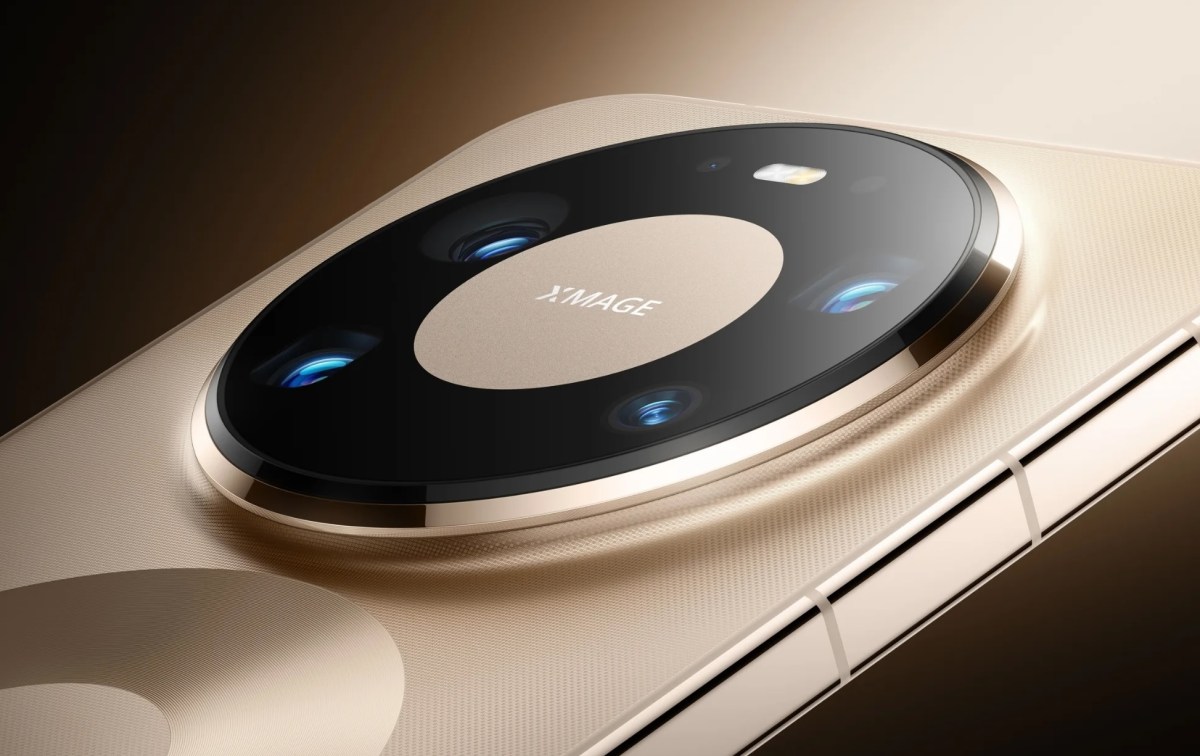
The relentless pursuit of the “perfect” smartphone camera has evolved into a high-stakes hardware arms race, and the latest whispers from the supply chain suggest that Huawei is preparing to shift the goalposts once again. For years, the industry has balanced the trade-off between sensor size and device thickness, but emerging reports regarding the Huawei Mate 90 Pro Max camera suggest a bold move toward professional-grade optics that could challenge the dominance of compact mirrorless cameras.
As a journalist who spent years in software development before moving into tech editorial, I have watched the transition from simple megapixel counts to the current era of computational photography. However, the leaks surrounding the Mate 90 series indicate that Huawei is returning to a “hardware-first” philosophy. By pairing massive physical sensors with sophisticated AI processing, the company appears to be targeting the high-end enthusiast market—photographers who demand genuine optical depth and low-light performance without relying solely on software tricks.
The rumors center on a tiered approach to imaging, with the Pro Max and the RS Ultimate Design editions expected to receive the most aggressive upgrades. While official specifications remain under lock and key at Huawei’s headquarters, the consistent nature of these leaks suggests a strategy focused on three pillars: extreme resolution, unprecedented light intake, and a return to powerful optical zoom.
The Quest for Light: The 1-Inch Sensor and High-Resolution Arrays
At the heart of the leaked specifications for the Huawei Mate 90 Pro Max is the mention of a 1-inch-type main sensor. To the average user, “one inch” might sound tiny, but in the world of mobile imaging, it is a gargantuan leap. Most standard smartphones utilize sensors that are a fraction of this size. A larger sensor allows for larger individual pixels, which can capture significantly more photons. This translates directly into better dynamic range, reduced noise in low-light environments, and a natural “bokeh” effect—the soft, blurred background in portraits—that is achieved through physics rather than artificial software blurring.
Alongside the sensor size, reports suggest a dual-path strategy for resolution. Some leaks point toward a refined 50MP lens designed for maximum clarity and efficiency, while more ambitious reports suggest the integration of a 200MP main camera for the top-tier models. When a sensor reaches 200 megapixels, the device typically employs a technique known as “pixel binning.” This process combines multiple adjacent pixels into one “super-pixel,” allowing the camera to switch between an ultra-high-resolution mode for bright landscapes and a high-sensitivity mode for night photography.
This hardware combination would position the Mate 90 Pro Max as a formidable tool for architectural and nature photography. By increasing the physical surface area of the sensor, Huawei is effectively reducing the reliance on aggressive noise reduction algorithms, which often “smudge” fine details in shadows. For the global audience of creators, this means images that look more like they were shot on a professional DSLR than a handheld device.
Expanding the Horizon: 10x Periscope Telephoto Capabilities
While main sensors handle the “what” of a photo, telephoto lenses handle the “where.” One of the most anticipated leaked features of the Huawei Mate 90 Pro Max is the inclusion of a 10x periscope telephoto camera. Traditional zoom lenses require a certain physical length to achieve magnification; however, a smartphone is too thin to house a long lens pointing straight back.
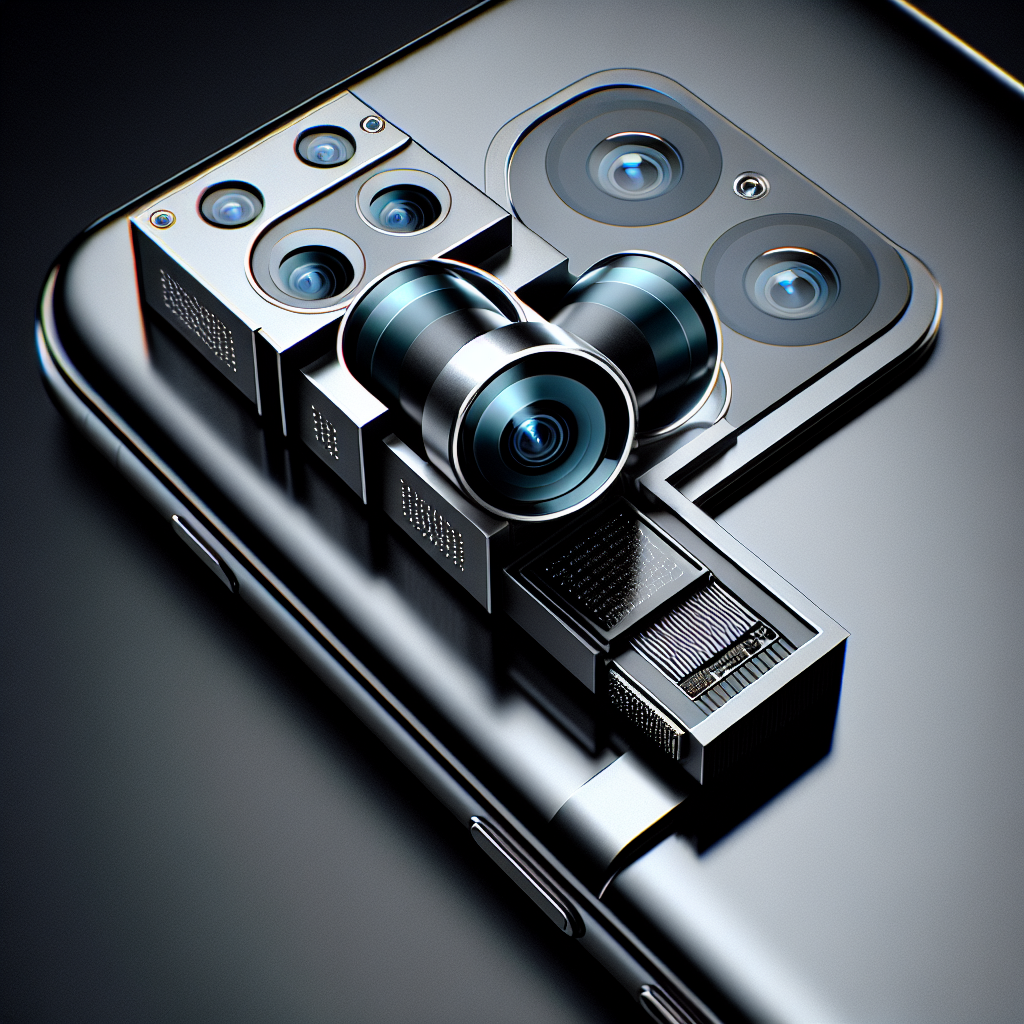
Periscope technology solves this by using a prism to bend the light 90 degrees, allowing the lens elements to be stacked horizontally across the width of the phone’s chassis. A true 10x optical zoom allows the user to bring distant subjects closer without the degradation in quality associated with digital zoom (which essentially just crops and enlarges the image). When combined with the XMAGE imaging system, this hardware could enable a level of versatility that allows a single device to serve as both a wide-angle street camera and a long-range wildlife lens.
The integration of such a powerful zoom system also necessitates advanced stabilization. To prevent the “shaking” effect that occurs at high magnification, Huawei is expected to employ an upgraded Optical Image Stabilization (OIS) system. This mechanical shift compensates for the natural tremors of the human hand, ensuring that a 10x zoom shot remains crisp even without a tripod.
XMAGE: The Intelligence Behind the Glass
Hardware alone is only half the battle. The “secret sauce” of the Mate 90 series is the XMAGE imaging system. After parting ways with long-term partners like Leica, Huawei invested heavily in its own proprietary imaging brand, XMAGE. This is not just a marketing label; it represents a full-stack integration of hardware, algorithms, and color science.
The XMAGE system is designed to handle the massive amounts of data generated by a 200MP sensor and a 10x zoom lens. Its primary role is “computational photography,” which involves taking multiple frames in a fraction of a second and merging them to optimize exposure, color accuracy, and detail. In the Mate 90 Pro Max, we expect XMAGE to focus on “intelligent scene recognition,” where the AI can distinguish between a sunset, a portrait, or a fast-moving sports event, adjusting the shutter speed and aperture parameters in real-time.
the shift to an in-house imaging brand allows Huawei to optimize the software specifically for its own silicon. By tightly coupling the Image Signal Processor (ISP) with the XMAGE algorithms, the device can process high-resolution files faster, reducing the “shutter lag” that often plagues high-megapixel smartphones.
What This Means for the Mobile Industry
The potential arrival of the Huawei Mate 90 Pro Max signals a broader trend in the consumer electronics industry: the convergence of professional tools and consumer gadgets. For years, the “pro” in “Pro Max” referred largely to battery life or screen size. Now, the industry is moving toward “pro” meaning actual professional-grade hardware.
If these leaks hold true, Huawei is betting that consumers are tired of “good enough” software-simulated photos and are craving authentic optical performance. This puts immense pressure on competitors to move beyond incremental updates. We are seeing a shift where the value proposition of a flagship phone is no longer just about the processor speed, but about the quality of the glass and the size of the sensor.
For the end user, this evolution means more than just “prettier” photos. It means the ability to capture usable images in near-total darkness and the capacity to zoom into distant details with clarity. It transforms the smartphone from a convenience tool into a legitimate creative instrument.
Key Takeaways from the Leaks
- Sensor Evolution: Rumors suggest a move toward a 1-inch-type main sensor, significantly increasing light intake and natural depth of field.
- Resolution War: The device may offer a choice between a high-efficiency 50MP lens or a massive 200MP array for extreme detail.
- Optical Reach: A 10x periscope telephoto lens is expected, providing genuine optical zoom rather than digital cropping.
- Proprietary Power: The XMAGE imaging system will act as the brain, managing the complex data from the upgraded hardware to optimize final images.
- Tiered Strategy: The most advanced camera hardware is likely reserved for the Pro Max and RS Ultimate Design variants.
Comparing the Rumored Hardware
While official data is pending, the following table summarizes the leaked trajectory of the Mate 90 Pro Max compared to standard flagship expectations:

| Feature | Standard Flagship (Typical) | Mate 90 Pro Max (Rumored) |
|---|---|---|
| Main Sensor Size | 1/1.3″ to 1/1.1″ | 1-inch type |
| Max Resolution | 12MP – 50MP | Up to 200MP |
| Optical Zoom | 3x – 5x | 10x Periscope |
| Imaging Suite | Generic AI / Partner Brand | Proprietary XMAGE System |
As we move closer to the official unveiling, the tech community will be watching closely to see if Huawei can successfully integrate these massive components without compromising the ergonomics of the device. A 1-inch sensor and a 10x periscope lens require significant internal volume, which often leads to a larger “camera bump” on the rear of the phone.
The next confirmed checkpoint for the industry will be the official product announcement from Huawei, where the company typically reveals its flagship roadmap. Until then, these leaks provide a fascinating glimpse into a future where the line between a smartphone and a professional camera continues to blur.
What do you think about the shift toward 1-inch sensors in smartphones? Is 200MP a necessity or just a number? Share your thoughts in the comments below and let us know if you’re planning to upgrade your gear this year.
Worth a look
- Ayase’s Sony WF-1000XM3 Ad Song: J-Pop Ballad Details
- Lloyds Banking Group to Cut £2bn in Costs via AI-Powered Strategy
- Understanding Chronic Digestive Inflammation: Causes and Immune System Disorders (archyde.com)
- Microsoft Unveils Agent-Based Cybersecurity Model and AI Update System (world-today-news.com)