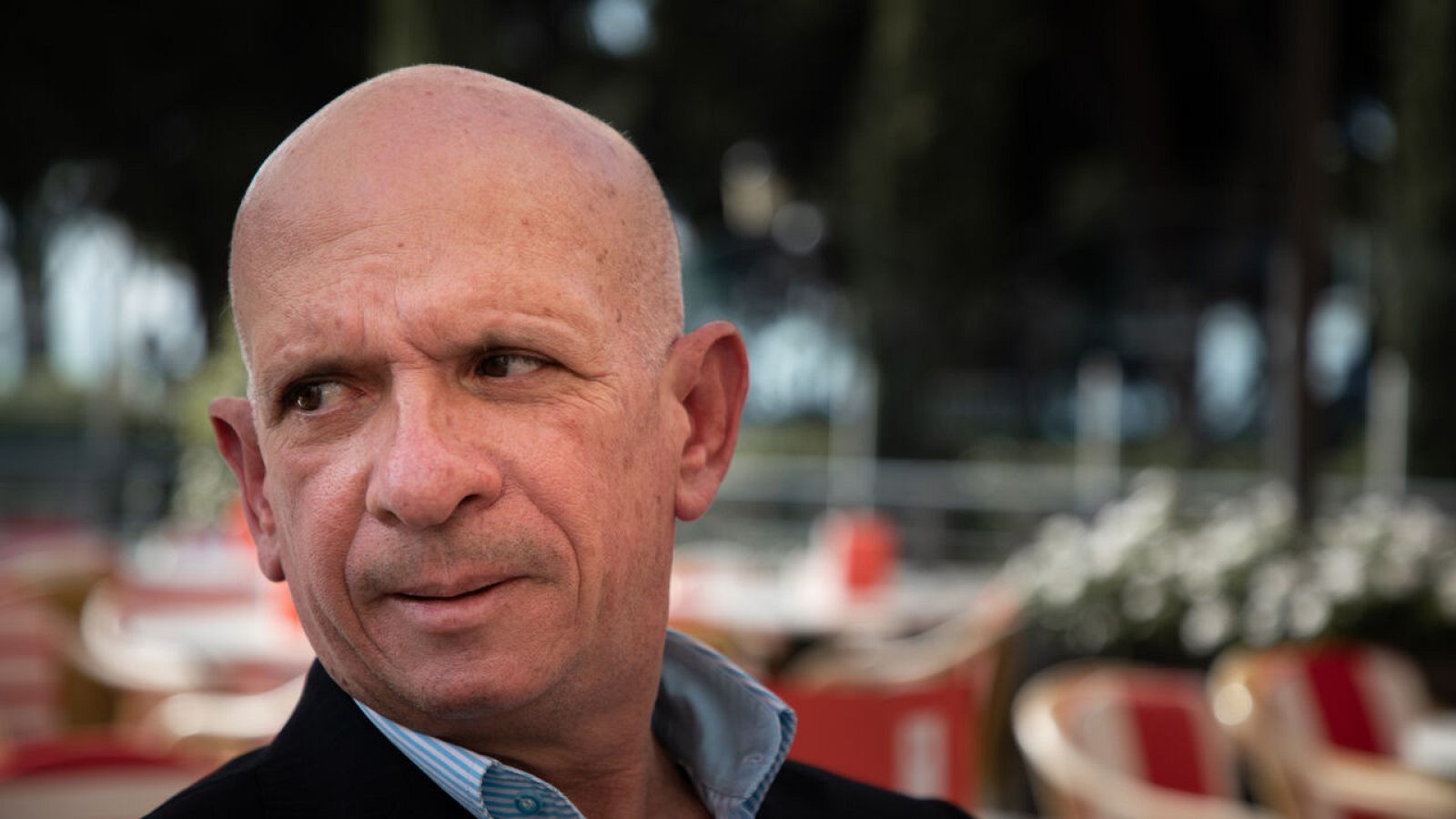
Ex-Venezuelan Spy Chief Hugo “El Pollo” Carvajal Seeks to Testify Against Nicolás Maduro in Landmark U.S. Trial
In a dramatic twist in one of the most high-profile narcoterrorism cases in U.S. History, former Venezuelan military intelligence chief Hugo “El Pollo” Carvajal has emerged as a potential star witness against deposed Venezuelan leader Nicolás Maduro. Carvajal, who once served as the head of Venezuela’s military intelligence under the late President Hugo Chávez, has reportedly offered to cooperate with U.S. Authorities in exchange for leniency, according to a letter obtained by CNN and verified court documents. His potential testimony could provide unprecedented insight into alleged drug trafficking operations involving Venezuela’s highest-ranking officials.
The case, United States v. Nicolás Maduro Moros et al., was filed by the U.S. Department of Justice (DOJ) in March 2020 and accuses Maduro and 14 other Venezuelan officials of conspiring with Colombian guerrilla groups to flood the U.S. With cocaine. The charges, which include narcoterrorism and drug trafficking, carry a potential life sentence. Carvajal’s decision to cooperate marks a significant shift in a case that has already seen two key defendants—former Venezuelan general Clíver Alcalá and Carvajal himself—plead guilty in recent years.
Carvajal’s potential role as a witness was hinted at in a December 2025 letter he sent to then-U.S. President Donald Trump, a copy of which was obtained by CNN from his legal team. In the letter, Carvajal expressed a desire to “expiate” his past actions and help the U.S. “protect itself from the dangers” he claimed to have witnessed during his tenure. The letter, first published by The Dallas Express, has fueled speculation that Carvajal could provide damning testimony against Maduro, his former ally, in exchange for a reduced sentence or other legal concessions.
Who Is Hugo “El Pollo” Carvajal?
Hugo Armando Carvajal Barrios, known by his nickname “El Pollo” (The Chicken), is a former Venezuelan military officer who served as the director of Venezuela’s Military Intelligence Directorate (DGCIM) from 2004 to 2011 under President Hugo Chávez. His career in Venezuela’s intelligence apparatus made him one of the most powerful figures in the country’s security apparatus, often compared to J. Edgar Hoover for his influence within the Chávez regime. Despite his diminutive stature—standing at just 1.6 meters (5 feet 3 inches) tall—Carvajal wielded significant control over Venezuela’s military and intelligence operations during a critical period in the country’s history.
Carvajal’s downfall began in 2019 when he was arrested in Spain at the request of U.S. Authorities, who sought his extradition on drug trafficking and narcoterrorism charges. After a lengthy legal battle, he was extradited to the U.S. In 2023 and subsequently pleaded guilty to the charges in 2025. His guilty plea was part of a broader crackdown by U.S. Authorities on Venezuelan officials accused of using drug trafficking as a tool to undermine U.S. Security and fund their regime. According to court documents, Carvajal admitted to facilitating cocaine shipments from Venezuela to the U.S. In collaboration with the Revolutionary Armed Forces of Colombia (FARC), a designated terrorist organization.
Carvajal’s nickname, “El Pollo,” has become synonymous with his dual identity: a ruthless intelligence operative who allegedly oversaw covert operations while simultaneously cultivating a reputation as a loyalist to the Chávez and Maduro regimes. His potential cooperation with U.S. Authorities now places him at the center of a legal and geopolitical storm, with implications for Venezuela’s political future and U.S. Efforts to hold foreign officials accountable for drug trafficking.
The Letter to Trump: A Plea for Cooperation
The December 2025 letter from Carvajal to Donald Trump, which has since been verified by multiple sources, including CNN and court filings, offers a rare glimpse into the former spy chief’s motivations for cooperating with U.S. Authorities. In the letter, Carvajal wrote that he wished to “expiate” his past actions and assist the U.S. In countering the threats he claimed to have observed during his time in Venezuela’s intelligence apparatus. While the full contents of the letter have not been made public, excerpts published by The Dallas Express suggest that Carvajal is prepared to provide detailed testimony about alleged drug trafficking operations involving Maduro and other high-ranking Venezuelan officials.
Carvajal’s letter to Trump is particularly notable given the former U.S. President’s hardline stance on Venezuela during his administration. Trump’s “maximum pressure” campaign against the Maduro regime included economic sanctions, diplomatic isolation, and the recognition of opposition leader Juan Guaidó as Venezuela’s legitimate president. Carvajal’s decision to reach out to Trump, rather than the Biden administration, may reflect his belief that Trump’s approach to Venezuela would be more receptive to his cooperation. However, it remains unclear whether the letter played a direct role in Carvajal’s decision to plead guilty or his subsequent offer to testify against Maduro.
Legal experts suggest that Carvajal’s potential testimony could be a game-changer in the case against Maduro. As a former insider with direct knowledge of Venezuela’s intelligence operations, Carvajal is uniquely positioned to provide evidence about the alleged collaboration between Venezuelan officials and Colombian guerrilla groups. His testimony could also shed light on the inner workings of the Maduro regime, including its alleged use of drug trafficking to fund its operations and maintain power.
The Case Against Maduro: A Timeline of Key Events
The case against Nicolás Maduro and his co-defendants has unfolded over several years, with key developments shaping its trajectory. Below is a timeline of the most significant events in the case:
| Date | Event |
|---|---|
| March 26, 2020 | The U.S. Department of Justice unseals an indictment against Nicolás Maduro, his wife Cilia Flores, and 14 other Venezuelan officials, accusing them of narcoterrorism and drug trafficking. The indictment alleges that Maduro and his co-conspirators collaborated with the FARC to flood the U.S. With cocaine. |
| 2021 | Former Venezuelan general Clíver Alcalá, a key figure in the case, surrenders to U.S. Authorities in Colombia and is extradited to the U.S. Alcalá is later charged with narcoterrorism and drug trafficking. |
| 2023 | Clíver Alcalá pleads guilty to the charges against him, becoming the first high-profile defendant to do so in the case. His guilty plea is seen as a significant victory for U.S. Prosecutors. |
| 2023 | Hugo Carvajal is extradited to the U.S. From Spain after a protracted legal battle. He is charged with narcoterrorism and drug trafficking, among other offenses. |
| 2025 | Carvajal pleads guilty to the charges against him, setting the stage for his potential cooperation with U.S. Authorities. Around the same time, he sends a letter to Donald Trump expressing his desire to assist the U.S. In countering threats from Venezuela. |
| April 2026 | Reports emerge that Carvajal has offered to testify against Maduro, raising the possibility that he could become a key witness in the case. The trial against Maduro is expected to begin later this year. |
The case has been assigned to Judge Alvin Hellerstein of the U.S. District Court for the Southern District of Novel York, a veteran jurist known for handling high-profile terrorism and drug trafficking cases. Hellerstein has presided over several landmark cases, including the prosecution of terrorists involved in the 1998 U.S. Embassy bombings in Africa and the trial of Mexican drug lord Joaquín “El Chapo” Guzmán. His involvement in the Maduro case underscores its significance and the potential legal challenges ahead.
What Carvajal’s Testimony Could Mean for the Case
Carvajal’s potential testimony is widely seen as a critical development in the case against Maduro. As a former head of Venezuela’s military intelligence, Carvajal has firsthand knowledge of the country’s security apparatus and its alleged ties to drug trafficking. His testimony could provide prosecutors with evidence of the Maduro regime’s alleged collaboration with the FARC and other armed groups to smuggle cocaine into the U.S. Such evidence would be difficult to obtain without the cooperation of an insider like Carvajal.
In his guilty plea, Carvajal admitted to facilitating cocaine shipments from Venezuela to the U.S. And collaborating with the FARC to protect drug trafficking routes. His plea agreement, which has not been made public in its entirety, may include provisions for his cooperation with prosecutors in exchange for a reduced sentence. If Carvajal testifies against Maduro, he could face retaliation from the Venezuelan government, which has already labeled him a traitor. However, his willingness to cooperate suggests that he believes the benefits of testifying outweigh the risks.
Legal analysts note that Carvajal’s testimony could also have broader implications for U.S.-Venezuela relations. The case against Maduro is part of a larger U.S. Strategy to hold foreign officials accountable for drug trafficking and other crimes. If Carvajal’s testimony leads to a conviction, it could embolden U.S. Authorities to pursue similar cases against other foreign leaders accused of drug trafficking. Conversely, if the case collapses or results in an acquittal, it could weaken U.S. Efforts to combat international drug trafficking and undermine the credibility of its legal actions against foreign officials.
The Broader Context: U.S. Efforts to Combat Drug Trafficking in Latin America
The case against Maduro is part of a broader U.S. Effort to combat drug trafficking in Latin America, a region that has long been a major source of cocaine and other illicit drugs entering the U.S. The U.S. Government has accused several Latin American leaders of involvement in drug trafficking, including former Panamanian dictator Manuel Noriega, who was convicted in 1992 on drug trafficking and racketeering charges. More recently, the U.S. Has targeted Venezuelan officials, including Maduro, as part of its “maximum pressure” campaign to isolate the regime and force political change in Venezuela.
In 2020, the U.S. Offered a $15 million reward for information leading to Maduro’s arrest, reflecting the seriousness of the charges against him. The reward, which remains in effect, is part of the U.S. Government’s efforts to bring Maduro to justice and disrupt the alleged drug trafficking operations of his regime. The case against Maduro is also notable for its focus on narcoterrorism, a charge that reflects the U.S. Government’s belief that drug trafficking is not only a criminal enterprise but also a threat to national security.
Carvajal’s potential testimony comes at a time of heightened tensions between the U.S. And Venezuela. The Maduro regime has faced international condemnation for its human rights abuses, electoral fraud, and alleged involvement in drug trafficking. The U.S. Has imposed economic sanctions on Venezuela and recognized opposition leader Juan Guaidó as the country’s legitimate president. However, Maduro has remained in power, and his regime has shown little sign of willingness to negotiate a political transition. Carvajal’s testimony could further isolate Maduro and increase pressure on his regime to engage in meaningful dialogue with the opposition.
What Happens Next?
The trial against Nicolás Maduro is expected to begin later this year, with Judge Alvin Hellerstein presiding. If Carvajal testifies, his appearance on the stand could be one of the most anticipated moments in the case. Prosecutors are likely to focus on his firsthand knowledge of Venezuela’s intelligence operations and his alleged role in facilitating drug trafficking. Defense attorneys, meanwhile, are expected to challenge Carvajal’s credibility, arguing that his testimony is motivated by self-interest and a desire to secure a reduced sentence.
The next major checkpoint in the case is the pretrial hearing, which is scheduled for June 2026. During the hearing, Judge Hellerstein will address any outstanding legal issues and set a timeline for the trial. If Carvajal is called as a witness, his testimony could begin as early as the fall of 2026. The outcome of the trial could have far-reaching implications for Venezuela’s political future, U.S.-Venezuela relations, and the broader fight against international drug trafficking.
For now, the case remains a closely watched legal and geopolitical drama, with Carvajal’s potential testimony adding a new layer of intrigue. As the trial approaches, all eyes will be on the courtroom in Brooklyn, where the fate of one of Latin America’s most controversial leaders may be decided.
Have thoughts on this developing story? Share your comments below and join the conversation on social media using the hashtag #MaduroTrial.