Hungary Returns Seized Cash and Gold Shipment Worth $82 Million to Ukraine
President Volodymyr Zelenskyy has confirmed that Hungary has returned a high-value shipment of cash and gold to Ukraine, resolving a diplomatic standoff that began earlier this year. The shipment, valued at approximately $82 million, had been detained by Hungarian authorities during transit, sparking accusations of political maneuvering amidst strained relations between the two neighboring nations.
The assets were destined for Ukraine’s state-owned Oschadbank when they were intercepted. The return of these funds is being viewed by Kyiv as a significant gesture of goodwill and a potential pivot in the bilateral relationship, coming shortly after a major political shift in Budapest. For Ukraine, the recovery of these state assets is not only a financial victory but a symbolic one, signaling a move away from the confrontational policies of the previous Hungarian administration.
The incident had previously become a flashpoint for tensions, with Ukrainian officials suggesting the seizure was leveraged as part of a broader political campaign. The resolution of the matter marks a critical moment in regional diplomacy as Ukraine continues to navigate complex alliances and asset recovery efforts during its ongoing conflict.
The Details of the Seizure and Detention
The conflict began on March 5, when Hungarian counter-terrorism authorities detained two armored cars transporting the valuables. The shipment was a diverse mix of liquid assets and precious metals, including $40 million and 35 million euros in cash, along with 9 kilograms (19.8 pounds) of gold.
The seizure was not limited to the assets themselves; the human cost of the detention added to the diplomatic friction. Ukrainian bank employees who were traveling with the shipment were held by Hungarian authorities for more than 24 hours. Following their detention, the employees were expelled from the country, an action that deepened the anger in Kyiv.
At the time of the interception, the Hungarian government justified the move by citing suspicions of money laundering. Under the orders of then-Prime Minister Viktor Orbán, the shipment was held in custody for a period of up to 60 days to allow the country’s tax authority to conduct a full investigation into the origins and legality of the funds.
Geopolitical Friction and the ‘Pro-Russian’ Narrative
The seizure of the Oschadbank shipment did not occur in a vacuum. For months, Kyiv had accused Hungary’s government of maintaining a pro-Russian stance and acting unlawfully to undermine Ukrainian interests. Ukrainian officials explicitly claimed that the seizure of the gold and cash was being used as a tool in Viktor Orbán’s anti-Ukraine election campaign.
This specific incident was compounded by a separate, ongoing dispute regarding energy infrastructure. The two nations had been embroiled in a significant disagreement concerning Hungary’s access to Russian oil via a pipeline that crosses through Ukrainian territory. These overlapping conflicts—ranging from financial seizures to energy security—had pushed the relationship between Budapest and Kyiv to a historic low.
The narrative from Kyiv suggested that the “money laundering” suspicions were a pretext for political leverage, reflecting a broader trend of obstructionism from the Orbán administration toward Ukraine’s war efforts and sovereign financial operations.
A Shift in Power: The Impact of the Hungarian Election
The return of the $82 million shipment follows a pivotal change in Hungary’s internal politics. Viktor Orbán recently suffered a landslide defeat in an election, a result that has fundamentally altered the political landscape in Budapest. The emergence of a new Hungarian administration has fostered a wave of optimism in Kyiv that the era of confrontational diplomacy is ending.
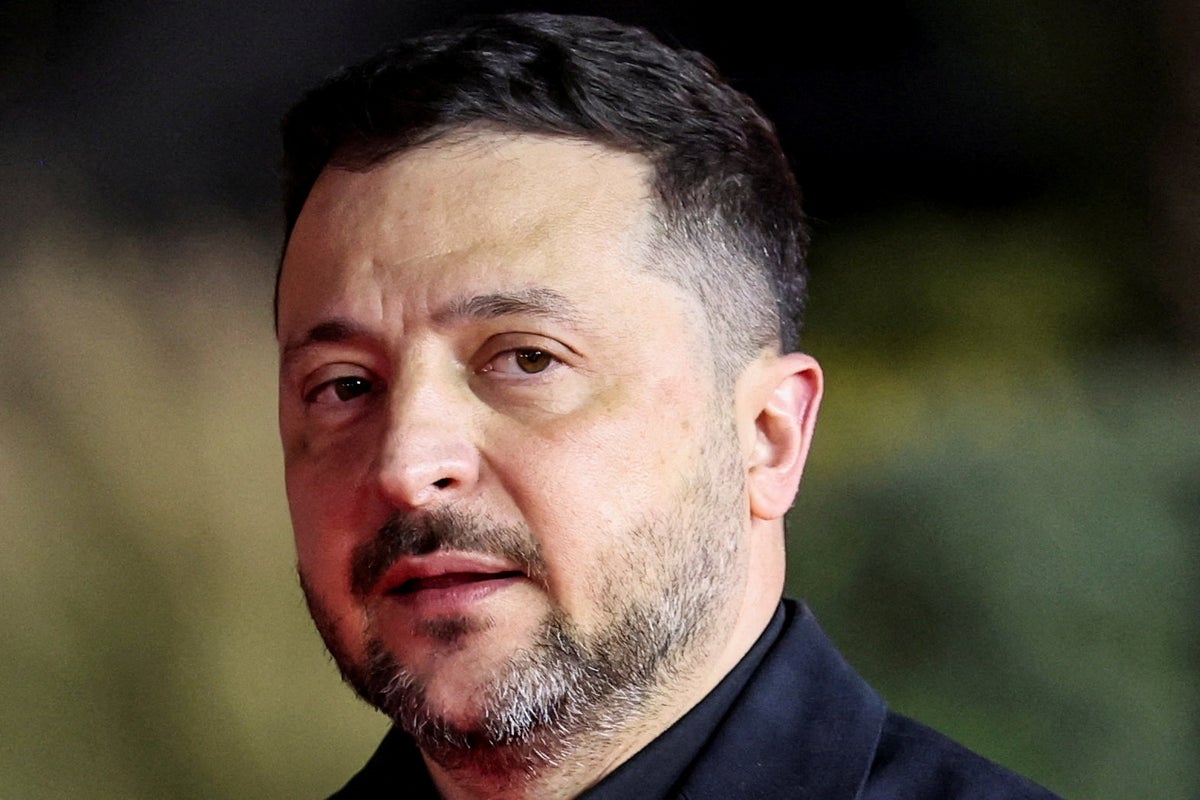
President Zelenskyy described the return of the assets as “an important step in relations with Hungary,” suggesting that the new leadership is more inclined toward a constructive and civilized approach. In a social media statement, Zelenskyy wrote, “I am grateful to Hungary for its constructive approach and civilized step.”
Zelenskyy also extended his gratitude to the Ukrainian team that navigated the legal and diplomatic hurdles to secure the release of the funds, stating, “I thank everyone on Ukraine’s team who fought for a fair decision and defended the interests of our state and our people.”
What So for Future Relations
The resolution of the asset seizure is likely to serve as a blueprint for how the new Hungarian government interacts with Ukraine. By returning the cash and gold, the new administration has signaled a willingness to adhere to international norms and respect the financial sovereignty of its neighbor.
However, the road to full normalization remains complex. The previous disputes over the Russian oil pipeline and the accusations of pro-Russian bias have left deep scars. While the return of the $82 million is a positive catalyst, both nations will need to address long-standing grievances to ensure a stable and cooperative border.
For the international community, this development is a reminder of how domestic political shifts—such as the defeat of a long-standing leader—can have immediate and tangible effects on international law and the movement of state assets.
Key Takeaways of the Asset Recovery
- Total Value: Approximately $82 million in combined cash and gold.
- Asset Breakdown: $40 million, 35 million euros, and 9 kilograms of gold.
- Timeline: Seized on March 5; returned following the recent Hungarian election.
- Primary Conflict: Accusations of political leveraging by the previous Orbán administration.
- Diplomatic Outcome: President Zelenskyy views the return as a “civilized step” toward improved relations.
The next confirmed checkpoint for this developing story will be the official response or further statements from the Hungarian tax authority regarding the conclusion of their investigation into the shipment. We will continue to monitor the diplomatic trajectory between Kyiv and the new administration in Budapest.
Do you believe this move signals a permanent shift in Hungary’s foreign policy toward Ukraine? Share your thoughts in the comments below.