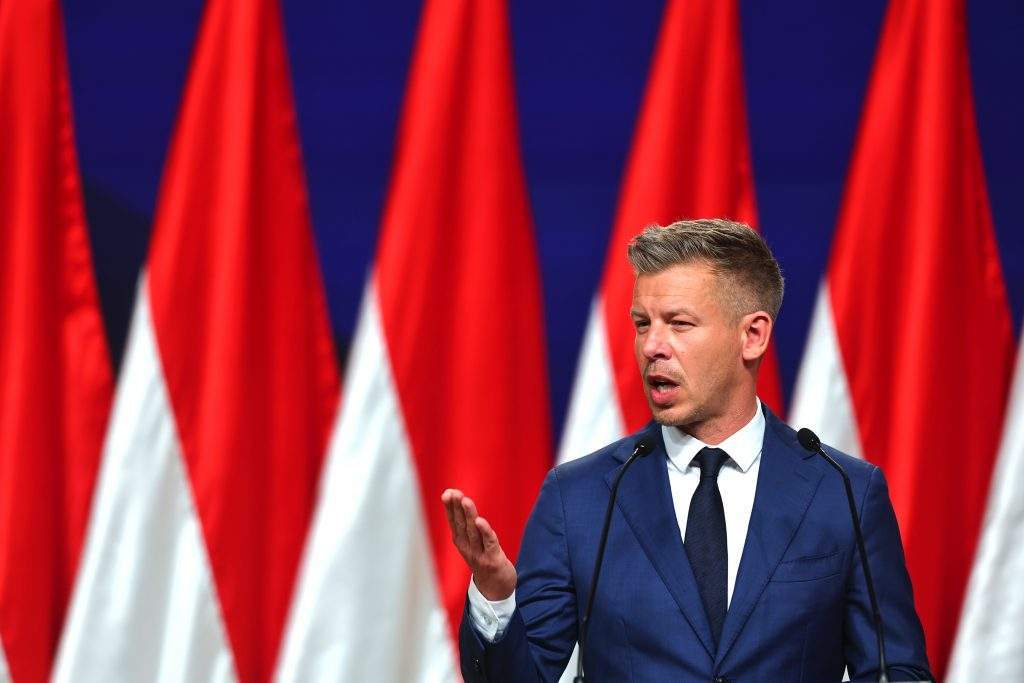
In a significant shift for regional diplomacy, Hungary has moved to lift its long-standing opposition to the European Union’s accession negotiations with Ukraine and Moldova. This policy pivot, which follows the inauguration of a new government in Budapest, marks a pivotal moment in the bloc’s enlargement strategy, effectively clearing a major hurdle that had stalled the integration process for months.
The decision to unblock these talks represents a notable change in the geopolitical landscape of Central and Eastern Europe. For Kyiv and Chișinău, the move provides a long-awaited path forward in their ambitions to join the European Union, a process that requires the unanimous consent of all existing member states. As the EU continues to navigate the complexities of expansion, this development underscores the evolving nature of diplomatic relations within the union.
The accession process remains a rigorous journey, involving the alignment of national laws with the EU’s body of legislation, known as the acquis communautaire. With Hungary’s veto removed, the European Commission and member states can now advance the procedural steps necessary to formalize the next stages of the candidacy process. This transition is expected to facilitate a more structured dialogue regarding the reforms required for eventual membership.
A New Chapter in EU Enlargement
The decision by Budapest to move away from its previous veto stance has been welcomed by regional partners who have long advocated for the acceleration of the accession process. The European Union’s enlargement policy is designed to foster stability and economic integration, and the inclusion of Ukraine and Moldova is viewed by many member states as a strategic imperative, particularly in light of ongoing security concerns in the region.
According to the European Council, the accession process is based on the Copenhagen criteria, which mandate that candidate countries demonstrate institutional stability, the rule of law, and a functioning market economy. The transition to formal negotiations allows for the opening of specific “chapters” or policy areas that the candidates must address. This structured approach ensures that the integration of new members does not compromise the functional integrity of the EU’s single market or its political governance.
The shift in Hungary’s position is widely seen as a reflection of the new administration’s approach to foreign policy. By aligning more closely with the consensus of other EU member states, the government in Budapest is signaling a potential recalibration of its diplomatic priorities. This move has been met with cautious optimism by officials in Brussels, who have consistently emphasized the need for unity among the 27 member states when dealing with issues of strategic importance, such as enlargement.
Regional Implications and Diplomatic Relations
The impact of this policy change extends beyond the immediate scope of accession talks. Bilateral relations between Hungary and Ukraine have historically been marked by periods of friction, particularly concerning the rights of ethnic minorities and cross-border cooperation. Recent diplomatic engagements, including statements from senior officials, suggest a desire to move toward a more constructive phase in these relations.
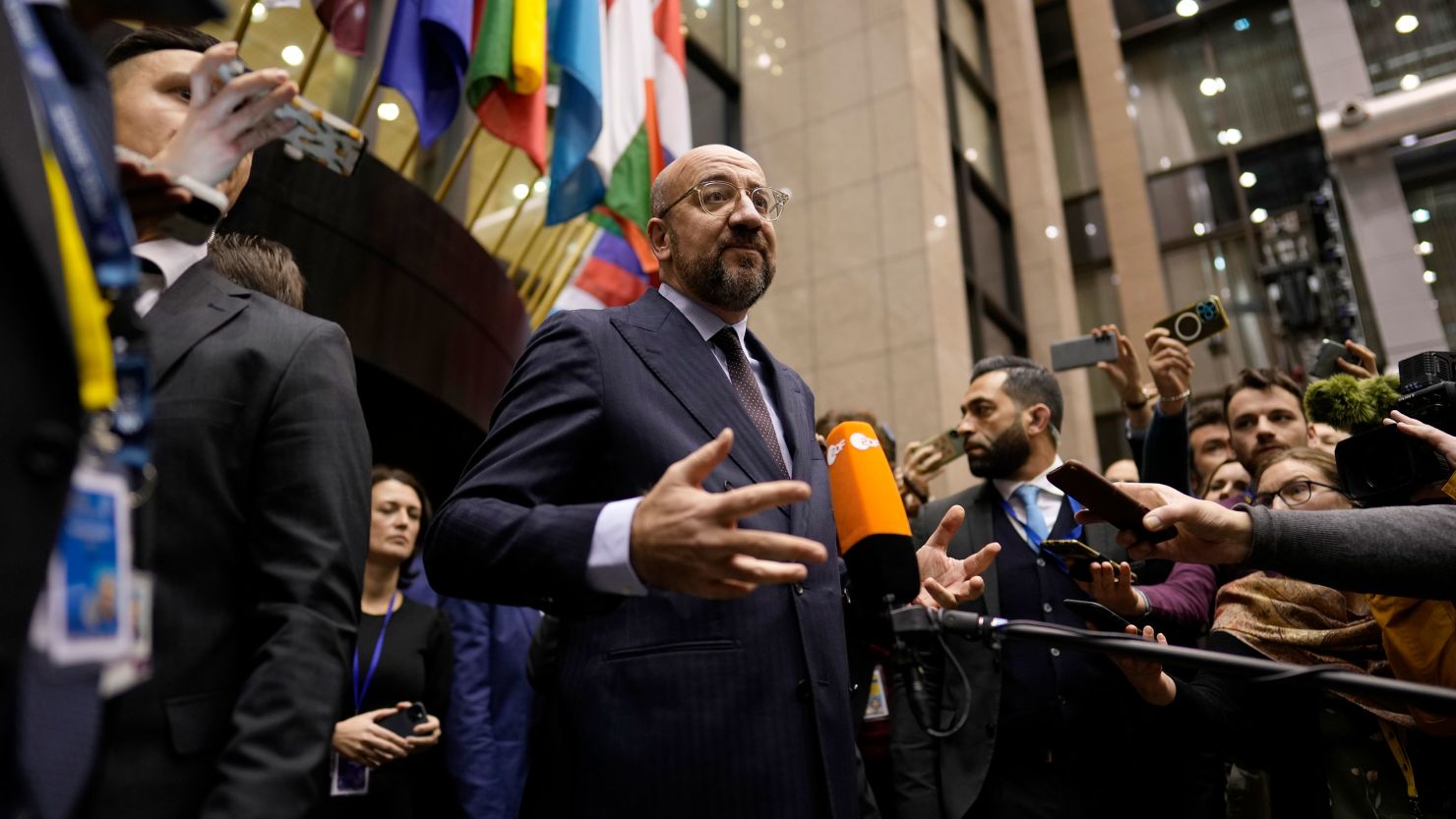
In the broader context of the European Union, the move is expected to streamline the decision-making process for future summits. When member states reach a consensus on enlargement, it allows the European Commission to deploy resources more effectively for technical assistance and capacity building in candidate countries. This support is crucial for Ukraine and Moldova as they work to implement the necessary legislative and administrative reforms to meet EU standards.
The role of other regional actors, such as Lithuania, has also been significant. Lithuanian officials have been vocal in their support for a faster accession track, arguing that the security situation in Eastern Europe necessitates a more agile response from the European Union. By advocating for the removal of political obstacles, these states have played a key role in maintaining the momentum of the enlargement agenda.
What Lies Ahead for Candidate Countries
While the lifting of the veto is a major milestone, the path to full membership remains complex. Candidate countries must continue to demonstrate progress in areas such as judicial reform, anti-corruption measures, and the protection of minority rights. The European Commission conducts regular assessments to monitor this progress, and the findings of these reports determine the pace at which individual chapters of the accession negotiations can be opened or closed.
For the citizens of Ukraine and Moldova, the progress toward EU membership represents a long-term commitment to democratic values and economic integration. The process is supported by various EU funding instruments aimed at infrastructure development, digital transformation, and green energy initiatives. As these countries integrate into the European framework, they will increasingly participate in the EU’s programs and policies, fostering closer ties with their neighbors.
The next steps in this process will likely involve the convening of intergovernmental conferences, where the specific terms of negotiation will be defined. These meetings are essential for establishing a clear roadmap for the candidates, ensuring that both the EU and the countries involved have a shared understanding of the requirements for membership. The European Commission is expected to provide further updates on these developments as the schedule for future sessions is finalized.
The European Union’s commitment to enlargement is a cornerstone of its foreign policy, aimed at creating a more prosperous and secure continent. As this story continues to unfold, stakeholders will be looking for signs of continued progress in the dialogue between Brussels, Budapest, and the candidate nations. For those following the developments closely, official reports from the European Council and the European Commission remain the most reliable sources for updates on the accession timeline and the specific milestones achieved by Ukraine and Moldova.
We invite our readers to share their thoughts on this evolving situation in the comments section below. As an editor, I am interested in hearing your perspective on how this shift might influence the future of European integration and regional security.