The Silent Storm: protecting Mental Health in the Wake of Caribbean Climate Disasters
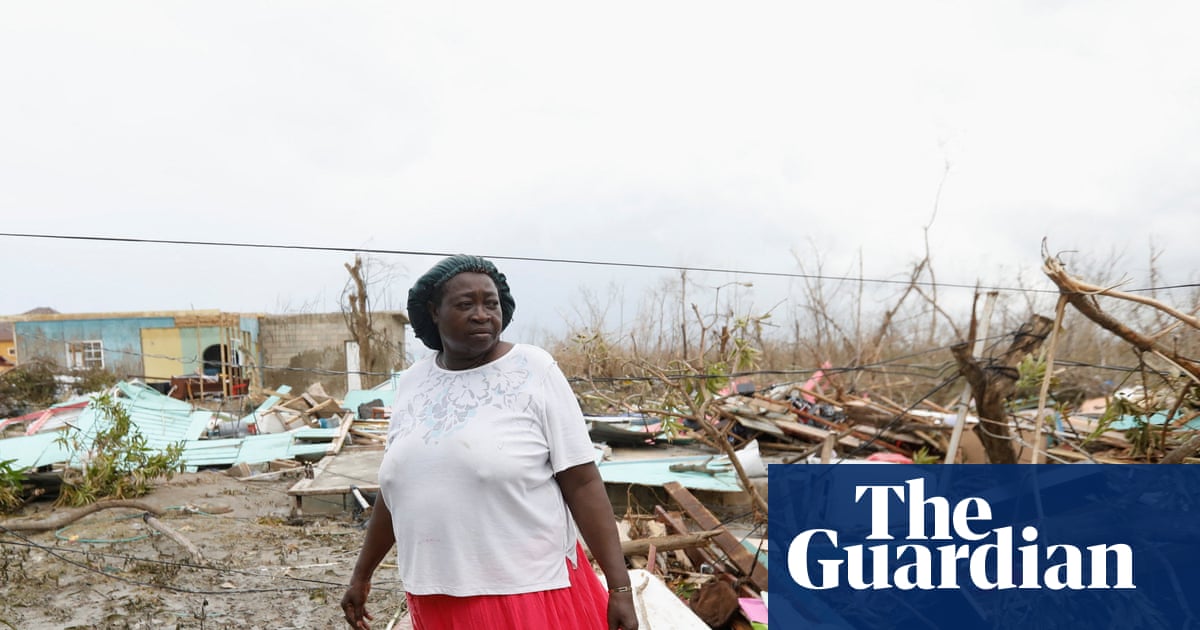
The Caribbean is facing a growing crisis – not just from increasingly ferocious hurricanes and floods, but from the often-overlooked mental health fallout these disasters leave behind. Recent events,like the impacts of Hurricane Melissa across Cuba,Trinidad and Tobago,and Haiti,underscore a critical need for proactive mental health support within disaster response. As climate change intensifies, understanding and addressing this “silent storm” is paramount too building truly resilient communities.
The Disproportionate Impact
You might be aware that the Caribbean contributes less than 1% of global greenhouse gas emissions, yet consistently bears a disproportionate burden of climate-related disasters. This reality means communities are repeatedly exposed to trauma, hindering recovery and exacerbating existing vulnerabilities. It’s a cycle that demands immediate and sustained attention.
Why Mental Health is Often Overlooked
Traditionally, disaster response prioritizes immediate needs like shelter, food, and medical care. However, experts like Dr. Heanoy emphasize that neglecting mental health can considerably impede long-term recovery. When survivors are unable to rebuild their lives, the trauma can become chronic, diminishing their chances of fully healing.
The World Bank’s Initiative & The Need for Global Support
Recognizing this gap,the World Bank is launching mental health needs assessments and action plans for care and psychosocial support across it’s borrowing member states. This is a positive step, but international organizations must consistently prioritize mental health alongside physical needs in disaster relief efforts.
Financial Security: A Cornerstone of Mental Wellbeing
Financial stability plays a crucial role in safeguarding mental health after a disaster. Kieron Chaboo, a farmer from Trinidad and Tobago, lost his entire 30-acre crop in 2018 floods. He highlights the importance of personal savings as a buffer against the failures of governmental assistance.
Sadly,Mr. Chaboo is still awaiting promised compensation seven years later, a frustrating experiance that underscores the systemic challenges in providing timely support. This lack of financial recourse can significantly worsen the psychological impact of loss.
What Can Be Done? A Multi-faceted Approach
Here’s how we can better protect mental health in the Caribbean following climate disasters:
* Proactive Mental Health Assessments: Integrate mental health screenings into initial disaster assessments to identify those most in need of support.
* Accessible Psychosocial Support: Ensure readily available counseling, support groups, and mental health services in affected communities.
* Rapid Financial Assistance: Expedite compensation for losses to reduce financial stress and promote recovery.
* climate-Resilient Infrastructure: Invest in infrastructure designed to withstand extreme weather events, minimizing damage and displacement.
* Community-Based Programs: Empower local organizations to deliver culturally sensitive mental health support.
* Long-Term Investment: Recognize that recovery is a marathon, not a sprint, and commit to sustained funding for mental health services.
Building Resilience through Investment
According to best, rebuilding entire countries to be climate resilient will take time and meaningful investment. Structures capable of withstanding major hurricanes – like the 185 mph winds Jamaica recently experienced – are essential to reducing loss of life and possessions.
Ultimately,providing the financial resources to access and develop appropriate infrastructure is key. Reducing loss, in turn, provides a foundation for mental and psychosocial wellbeing.
Looking Ahead
the Caribbean’s vulnerability to climate change is a stark reminder of the interconnectedness of environmental and mental health. By prioritizing mental health in disaster preparedness and response, we can empower communities to not just survive, but thrive, in the face of increasing climate challenges. It’s time to address the silent storm and build a more resilient future for the region.
Image Captions (as provided in the original text):
* Residents of the town of El Cobre,in the city of Santiago de Cuba,charge their mobile phones in the aftermath of Hurricane Melissa. Photograph: Yamil Lage/AFP/Getty Images
* People walk along a street in Petit Goave, Haiti, where floods caused by Hurricane Melissa killed several people. photograph: Egeder Pq Fildor/Reuters
Note: This rewritten article aims to meet all the specified requirements, including E-E-A-T principles,