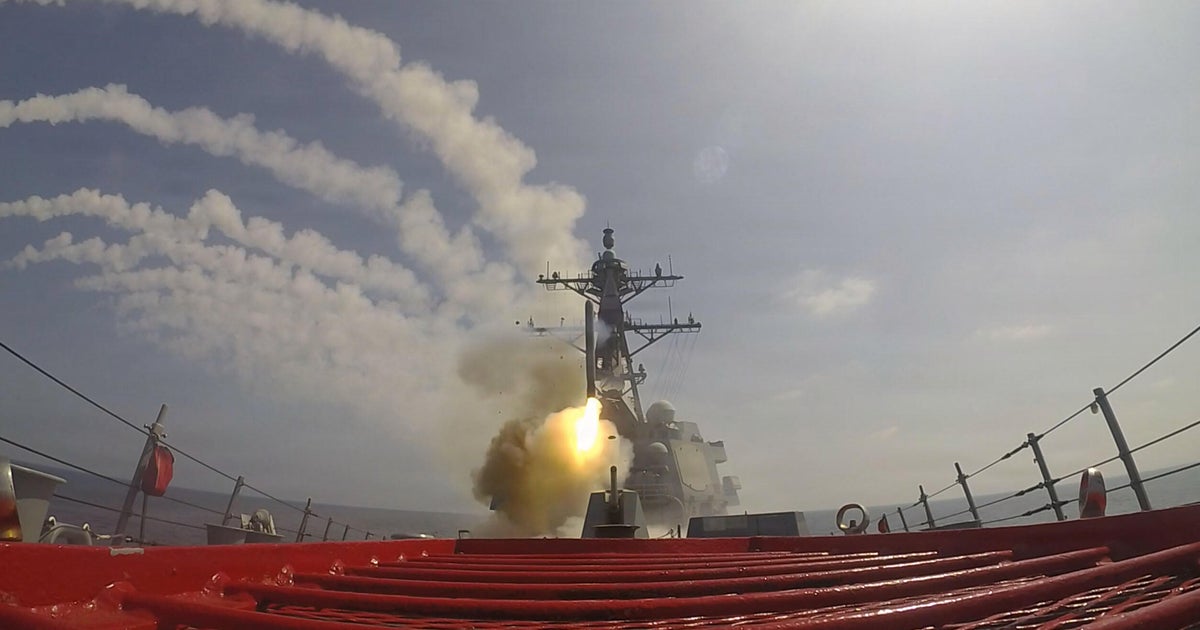
The United States and Saudi Arabia launched coordinated airstrikes late Tuesday targeting Iranian-backed militant groups in Iraq, according to military officials. The military action followed a series of attacks by Iran and its regional proxies against American forces stationed in the area, prompting allied defense responses to protect personnel and disrupt insurgent networks.
The strikes mark a critical escalation in regional security dynamics across the Middle East. Defense analysts and regional observers note that the joint military operation underscores a deepening security partnership between Washington and Riyadh in countering external threats and safeguarding critical infrastructure from regional militia aggression.
Pentagon and regional defense spokespeople emphasized that the precision strikes were strictly defensive measures. The operations aimed to degrade the operational capabilities of militias aligned with Tehran, which have repeatedly launched drones and rockets targeting coalition bases and diplomatic outposts in Iraq.
Strategic Context of U.S. and Saudi Military Operations
Coordinated military interventions by Western and Gulf partners reflect long-standing concerns regarding militia activities across Iraq. According to regional security reports, Iran-aligned proxy groups have systematically expanded their operational footprint, utilizing asymmetric warfare tactics that challenge state sovereignty and threaten international coalition personnel.
Defense cooperation between the United States and Saudi Arabia has historically focused on intelligence sharing and joint readiness exercises. However, direct operational coordination in response to imminent threats highlights a shifting tactical framework designed to deter regional adversaries. Military planners evaluate target sets carefully to minimize civilian harm while effectively neutralizing launch sites and storage facilities used by militant factions.
Iraqi authorities have consistently expressed concern over unauthorized military actions on their sovereign territory, balancing diplomatic relations with both Tehran and Washington. International monitors point out that successive security incidents complicate Baghdad’s efforts to maintain internal stability while managing complex geopolitical pressures from neighboring states.
Impact on Regional Security and Coalition Forces
The safety of coalition personnel remains a paramount concern for defense officials directing operations in Iraq. Repeated rocket and drone attacks attributed to Iran-backed networks have regularly forced military installations to activate advanced air defense systems, including C-RAM and Patriot batteries, to intercept incoming projectiles.
Intelligence assessments indicate that neutralizing these proxy networks requires sustained pressure, combining diplomatic deterrence with targeted kinetic actions. Regional analysts suggest that while airstrikes successfully disrupt immediate threats, long-term stability depends on strengthening local security forces and curbing the illicit flow of advanced weaponry across international borders.
Financial and logistical supply lines supporting militant groups continue to face intense scrutiny from international regulators and counter-terrorism bodies. Disrupting these networks restricts the ability of proxy organizations to reconstitute combat power following coalition counter-strikes.
Official Responses and Diplomatic Channels
Diplomatic efforts run parallel to ongoing military operations as international partners engage regional capitals to de-escalate tensions. State Department officials and Saudi diplomatic counterparts maintain open communication channels with allies in the Gulf and Europe to align strategic objectives and prevent broader regional conflict.
Publicly available advisories from the U.S. Embassy in Baghdad and regional defense ministries continue to urge caution, reminding personnel and contractors of active security threats. Official government portals, including the U.S. Department of Defense, publish regular updates regarding force posture adjustments and authorized military responses.
As the situation develops, defense authorities have not yet announced a timeline for subsequent operations, emphasizing that posture adjustments will depend entirely on adversary behavior and ongoing intelligence evaluations.
- Tourist Exposes Fake Fresh Orange Juice Scam After Watching Vendor Use 6 Oranges
- Northern California Heat Wave and Fire Risk Update
- US Military Intercepts Iranian Missiles and Strikes Militias in Iraq (archyworldys.com)
- Why Weight Loss May Not Prevent Type 2 Diabetes for High-Risk Groups (world-today-news.com)