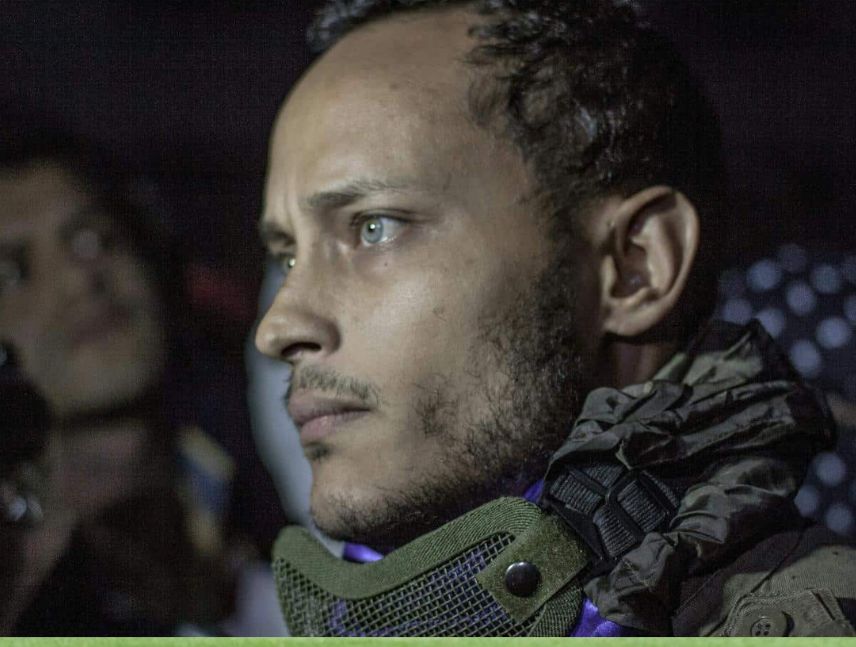
The Inter-American Commission on Human Rights (IACHR) recently convened a hearing to examine the 2018 death of Óscar Pérez and six others during a security operation in El Junquito, Venezuela. The session, held as part of the commission’s 191st Period of Sessions, provided a platform for family members and human rights advocates to present testimony regarding the circumstances surrounding the incident, which international observers have long identified as a potential case of extrajudicial execution.
According to official records and testimony presented during the proceedings, the events took place on January 15, 2018, when Venezuelan state security forces surrounded a residence in El Junquito where Pérez, a former police officer who had rebelled against the administration of Nicolás Maduro, was hiding with his group. The IACHR, an autonomous body of the Organization of American States (OAS), serves as a venue for victims of human rights abuses to seek international oversight when domestic justice systems are perceived as ineffective or compromised, as detailed in the official mandate of the IACHR.
Testimony and Allegations Regarding the El Junquito Operation
During the hearing, relatives of the deceased provided accounts that challenged the official version of events previously maintained by Venezuelan state authorities. Aminta Pérez, the mother of Óscar Pérez, testified regarding the condition of her son’s remains, stating that the body exhibited evidence of more than 50 gunshot wounds. This assertion forms a central component of the family’s argument that the use of force by state agents was disproportionate and intended to ensure the death of the individuals rather than their capture.
The incident at El Junquito has been widely documented by international organizations as one of the most emblematic cases of human rights violations in Venezuela during the last decade. Reports from the Office of the United Nations High Commissioner for Human Rights shortly after the event emphasized the necessity for an independent and transparent investigation into the use of lethal force. The commission heard arguments that the state failed to protect the right to life and ignored the surrender attempts made by the group before the final assault.
Legal Context and the Role of the IACHR
The IACHR hearing functions as a mechanism to gather evidence and pressure state actors to comply with international human rights standards. While the IACHR does not possess the authority to issue criminal convictions, its findings and reports carry significant weight in international law and can influence proceedings in other venues, such as the International Criminal Court (ICC). The ICC is currently conducting a formal investigation into the situation in Venezuela, focusing on alleged crimes against humanity committed since 2017.

Legal representatives for the victims argued that the Venezuelan state has obstructed domestic judicial processes, preventing the families from accessing the truth or obtaining accountability for the deaths. By bringing the case to the IACHR, the families seek to establish an international record of the incident that might eventually serve as evidence in broader human rights litigation. The Venezuelan government has historically rejected the jurisdiction of regional human rights bodies, often citing the country’s withdrawal from the American Convention on Human Rights in 2013.
Why This Case Matters for Human Rights in Venezuela
The significance of the El Junquito hearing extends beyond the individual victims, as it represents a broader struggle for accountability regarding the conduct of security forces in Venezuela. Human rights observers note that the case highlights recurring issues, including the lack of due process, the militarization of internal security operations, and the systematic impunity enjoyed by state officials accused of abuses. According to data compiled by the Human Rights Watch, the pattern of lethal force used against political dissidents in Venezuela remains a primary concern for the international community.
The families’ testimony at the IACHR serves to keep the memory of the victims alive while simultaneously building a legal case that challenges the state’s official narrative. For many observers, the hearing is a test of the international community’s ability to maintain pressure on the Venezuelan authorities despite the state’s refusal to engage in meaningful domestic reform or cooperation with international monitoring bodies.
Next Steps in the International Process
The IACHR will now deliberate on the information presented during the hearing. While there is no immediate date for a final ruling or a subsequent hearing, the commission typically issues recommendations to the state and may request further information or follow-up reports from both the petitioners and the government. Interested parties can monitor the official website of the Inter-American Court of Human Rights for updates regarding case filings and future sessions.
The pursuit of justice in this case remains ongoing, and the families continue to advocate for a comprehensive investigation that identifies those responsible for the command and execution of the operation. Whether or not this hearing leads to a shift in domestic policy, it reaffirms the commitment of human rights defenders to document and expose state-led violence through international legal channels.