
For many automotive enthusiasts, the 1970s are often unfairly maligned as a “lost decade” for the American and global auto industry. While it is true that the era was defined by the transition toward stricter emissions regulations and the immediate aftermath of the 1973 oil crisis, writing off the entire decade ignores a period of profound technical evolution and iconic design. If you grew up in the ’70s, you definitely remember these cars—not just for their aesthetic impact, but for how they navigated a rapidly changing world.
The decade began with a focus on high-displacement muscle, but by the mid-70s, the industry was forced to pivot. The implementation of the Clean Air Act of 1970 mandated significant reductions in tailpipe emissions, fundamentally altering engine architecture and performance profiles across the board. Despite these constraints, manufacturers produced vehicles that remain cultural touchstones today, bridging the gap between the raw power of the late 1960s and the fuel-efficient, computerized efficiency that would come to dominate the 1980s.
Whether you were riding in the back of a wood-paneled station wagon or dreaming of the wedge-shaped supercars that defined bedroom posters of the era, the 1970s automotive landscape was anything but boring. It was a time of experimentation, where necessity birthed innovation, and where the “memorable cars of the 1970s” became ingrained in our collective memory.
The Evolution of the American Muscle Transition
The early years of the decade still saw the tail end of the classic muscle car era. Vehicles like the 1970 Chevrolet Chevelle SS and the 1970 Plymouth Hemi ‘Cuda represent the pinnacle of an era that prioritized displacement. However, the market shifted as the decade progressed. By 1973, when the Organization of Arab Petroleum Exporting Countries (OAPEC) proclaimed an oil embargo, consumer priorities changed almost overnight. The era of the “gas guzzler” began to recede, replaced by a demand for vehicles that could balance power with newfound fuel economy standards.
This transition wasn’t just about engines; it was about survival. Manufacturers were tasked with meeting the Corporate Average Fuel Economy (CAFE) standards, which were first enacted as part of the Energy Policy and Conservation Act of 1975. This legislative pressure forced engineers to rethink aerodynamics and drivetrain efficiency, leading to lighter, more agile chassis designs that would eventually set the stage for the modern automobile.
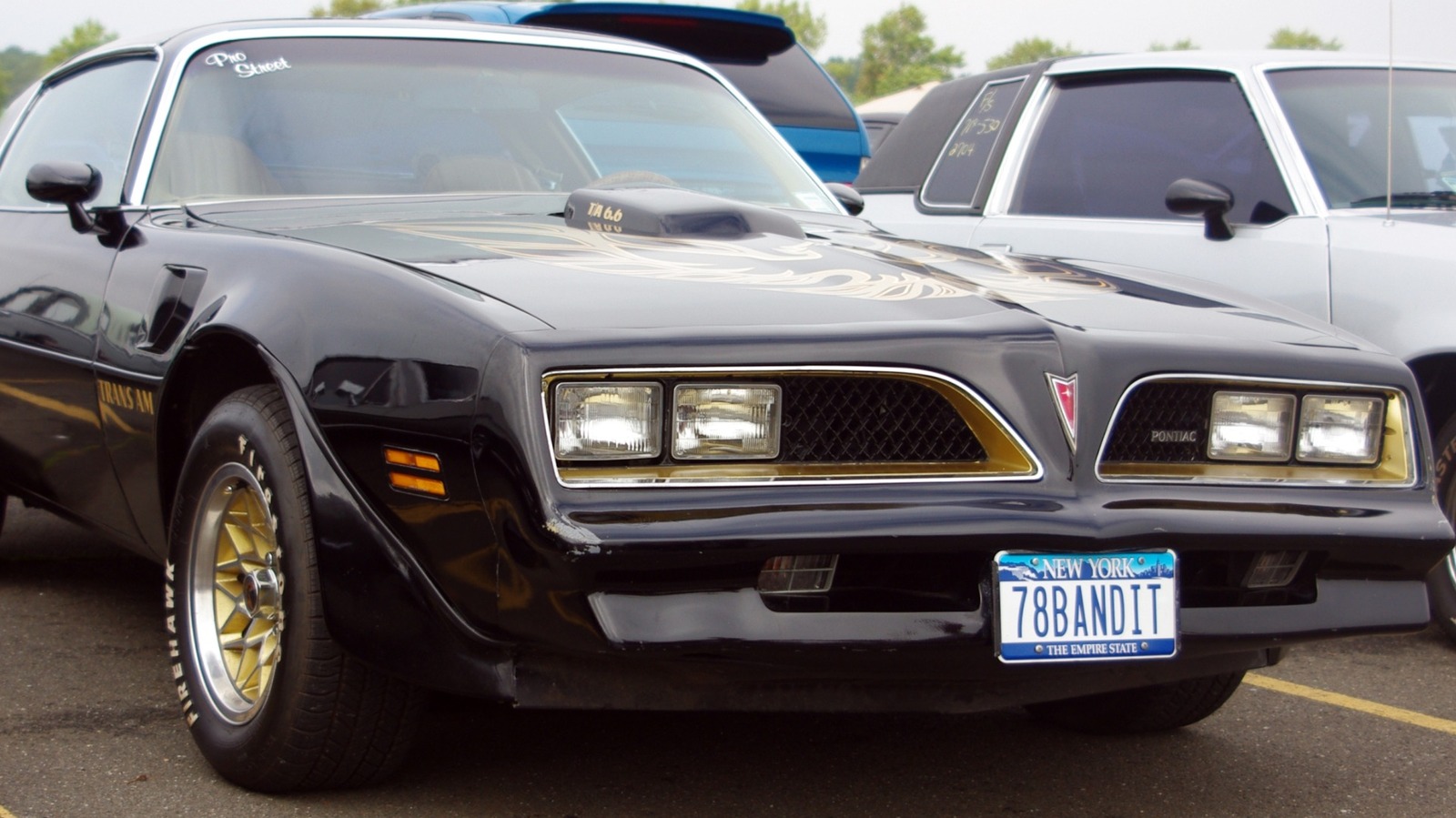
During this shift, cars like the 1975 Pontiac Firebird Trans Am remained popular, serving as a bridge between the performance-heavy past and the stylistic focus of the late 70s. These vehicles maintained their iconic status by leaning into bold graphics and aerodynamic body kits, proving that performance wasn’t just about raw horsepower—it was about personality.
The Rise of the Wedge and European Innovation
While Detroit was navigating regulatory shifts, European designers were exploring the “wedge” aesthetic—a sharp, angular design language that would define the supercar genre for the rest of the century. The 1974 Lamborghini Countach is perhaps the most famous example of this movement. Its radical, low-slung profile and scissor doors challenged every convention of what a road-legal car should look like.
This period also saw the rise of the compact car as a serious contender. The Volkswagen Golf, introduced in 1974, is widely credited with defining the “hot hatch” segment. By moving away from the rear-engine layout of the Beetle, Volkswagen created a practical, front-wheel-drive platform that offered better handling and interior space. It was a masterclass in packaging that influenced global automotive design for decades.
These cars were not merely modes of transport; they were statements. The Lotus Esprit, debuting in 1976, further cemented the wedge shape in the public imagination, famously appearing in the 1977 film The Spy Who Loved Me. These vehicles proved that even in a decade marked by economic uncertainty, the drive for innovation and aesthetic excellence remained a primary motivator for automotive engineers and designers.
A Legacy of Practicality and Iconic Design
Beyond the supercars and the muscle machines, the 1970s were also the era of the family vehicle. The station wagons of the time, often featuring faux-wood paneling and rear-facing third-row seats, provided the backbone for the American family road trip. The 1973 Oldsmobile Vista Cruiser remains a quintessential example of this comfort-focused design philosophy, offering a level of interior volume that is rarely seen in today’s more compact SUV-dominated market.
The decade also introduced consumers to the reliability of Japanese imports. The 1972 Honda Civic, launched just as fuel prices began to rise, offered a level of fuel efficiency and build quality that caught domestic manufacturers off guard. It marked the beginning of a massive shift in market share that would solidify the reputation of Japanese automakers for decades to come.
Key Takeaways from the 1970s Automotive Era
- Regulatory Impact: The 1970s saw the birth of modern emissions and fuel economy standards that fundamentally reshaped engine design.
- Design Evolution: The “wedge” shape became the dominant aesthetic for high-performance vehicles, moving away from the rounded curves of the 1960s.
- Market Shifts: The 1973 oil crisis accelerated the adoption of smaller, more fuel-efficient vehicles, facilitating the rise of compact imports.
- Cultural Impact: Despite the challenges of the decade, the cars of the 70s remain some of the most recognizable and sought-after models by collectors today.
What Happens Next: The Future of Classic Preservation
As we move further into the age of electrification and autonomous driving, the cars of the 1970s are increasingly viewed through the lens of preservation. Automotive historians and collectors are currently focusing on the conservation of these vehicles, particularly as original parts become more difficult to source. The National Highway Traffic Safety Administration (NHTSA) continues to update its guidelines regarding the safety of vintage vehicles, balancing the preservation of history with modern road safety requirements.
For those interested in the ongoing status of classic car legislation or seeking guidance on how to maintain these pieces of history, official resources from the National Highway Traffic Safety Administration provide the most accurate information regarding safety standards and historic vehicle classification. The automotive world is currently awaiting the next round of policy discussions regarding the transition to zero-emission zones in major cities, which may impact how and where classic cars can be driven in the future.
Do you have a favorite car from the 1970s that defined your childhood? Whether it was the raw power of a muscle car or the humble reliability of a first-generation import, these machines were more than just metal and glass—they were the vehicles of our collective youth. Share your memories in the comments below and join the conversation on how we can keep these icons of the road running for the next generation.