
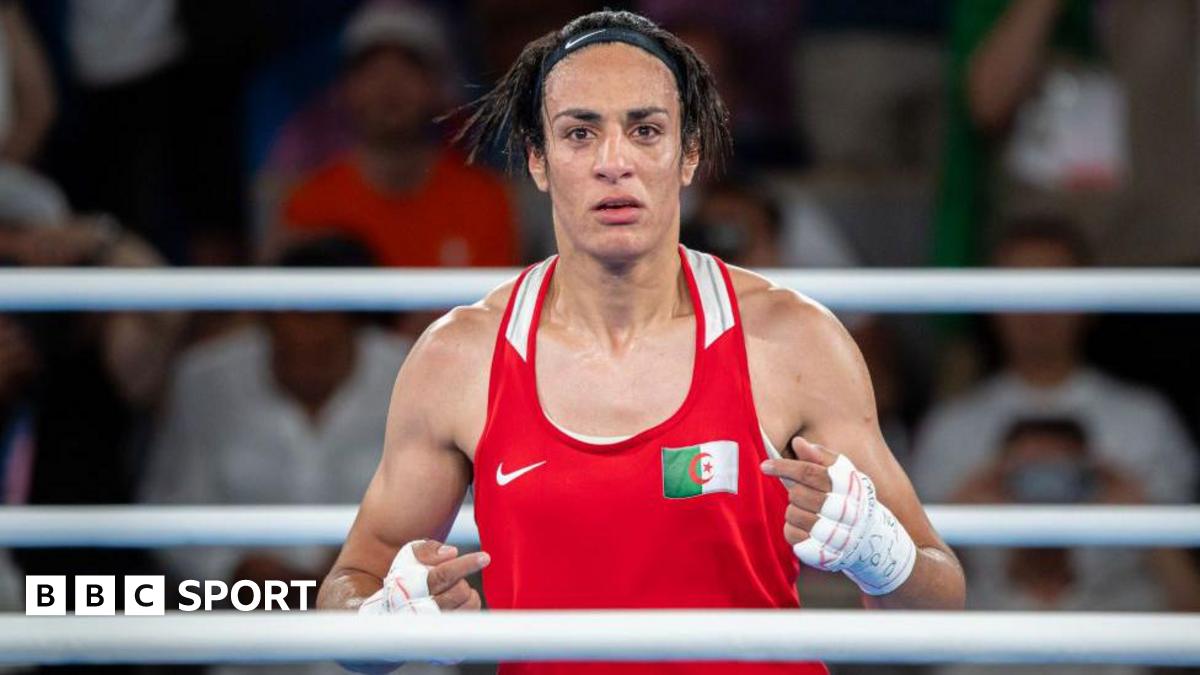
Algerian Boxer Khelif Challenges World Boxing‘s Mandatory Genetic Testing Policy
A contentious dispute is unfolding in the world of boxing, as Olympic gold medalist Houaria Khelif is challenging the new mandatory genetic testing policy implemented by World Boxing. Khelif has appealed to the Court of Arbitration for Sport (CAS), seeking to overturn the policy and secure her eligibility for the 2025 World Boxing Championships.
Here’s a breakdown of the situation and what it means for the future of athlete eligibility in the sport:
The Core of the Dispute
World Boxing announced in May that all athletes over the age of 18 must undergo a PCR genetic test to verify their sex at birth and confirm their eligibility to compete. This decision sparked immediate controversy, particularly after khelif was inadvertently named in the initial announcement regarding the testing.
Khelif’s appeal specifically requests that CAS declare her eligible for the upcoming World Championships without requiring her to undergo the test. However, CAS has denied a request to temporarily suspend the policy’s enforcement while the case is being reviewed.
A History of Controversy
This isn’t the first time Khelif’s eligibility has been questioned. She, along with Taiwanese fighter Lin Yu-ting, was previously disqualified from the 2023 World Championships by the International boxing Association (IBA) due to alleged failures in gender eligibility tests.
Fortunately, the International olympic Committee (IOC) cleared Khelif to compete at the paris Olympics last year, stripping the IBA of its governing body status due to concerns about its management. The IOC stipulated that athletes could compete in the women’s division based on their passport identification as female, clarifying that this was not a transgender case.
Understanding the Concerns
It’s important to understand that Khelif has always competed in the women’s division and identifies as a woman. Reports initially suggested khelif possesses XY chromosomes, leading to speculation about differences of sexual development (DSD), similar to the case of runner Caster Semenya.
Though, it’s crucial to avoid assumptions and focus on the athlete’s established identity and competitive history. You should know that this situation highlights the complex and sensitive issues surrounding gender verification in sports.
World boxing’s Position and IOC Recognition
World boxing has defended its policy as a necessary step to ensure fair competition. the association received provisional recognition from the IOC in February 2025, signaling a shift in the sport’s governance.
This case will likely set a precedent for how World Boxing navigates athlete eligibility moving forward. It also raises broader questions about the role of genetic testing in sports and the potential for discrimination.
What Happens Next?
Currently, both parties are exchanging written submissions. A hearing date will be scheduled by CAS with their agreement. You can expect this case to draw significant attention as it unfolds, potentially reshaping the landscape of competitive boxing.
This situation underscores the need for clear, equitable, and respectful policies regarding athlete eligibility, ensuring that all competitors are treated with dignity and fairness.





