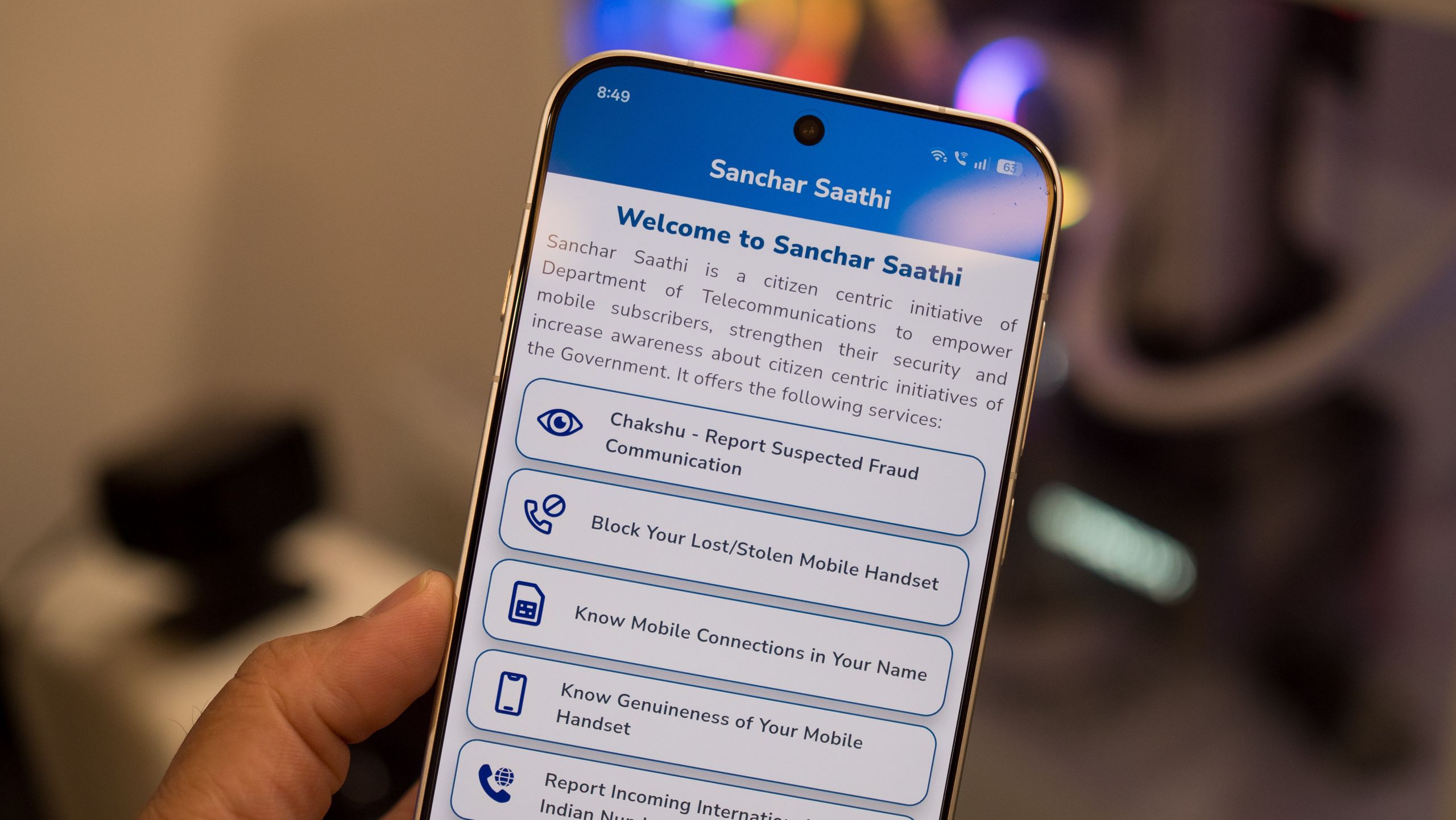
India’s Sanchar Saathi App: A Cybersecurity Solution or Privacy Concern?
A new app, Sanchar Saathi, is causing ripples in the Android world. It’s now mandated for pre-installation on all smartphones sold in india, sparking debate about cybersecurity versus user privacy. This article dives deep into what Sanchar Saathi is, what data it accesses, and what it means for you as an Android user.
What is Sanchar Saathi?
Developed by the Indian government, Sanchar Saathi aims to empower mobile users by tackling fraud and enhancing cybersecurity. officially, it’s designed to help protect you from scams, identify stolen devices, and block unauthorized SIM cards. However, the implementation and data access requirements are raising significant concerns.
The Data Access Controversy
The Play Store listing initially claimed the app doesn’t collect or share data. This proved inaccurate upon closer inspection. When installed on a device like the Oppo Find X9 Pro, Sanchar Saathi requests a surprisingly extensive range of permissions.
Here’s a breakdown of what the app asks for:
* Phone state: Ostensibly for tracking lost devices.
* SMS access: The reason for this access remains unclear.
* Camera access: Required after registration.
* Call logs: Accessed post-registration.
* Device storage: Also accessed after you register.
Critically,the app automatically exits if you deny these permissions. This effectively forces users to grant access to continue using their phone.
Government Rationale vs. User Concerns
The Indian government frames Sanchar Saathi as a vital cybersecurity tool. Thay argue it will protect citizens from mobile fraud and enhance overall security. However,many experts and users view the mandatory pre-installation and extensive data access as a heavy-handed approach.
The sheer volume of data Sanchar Saathi can access is alarming. Furthermore,the app cannot be disabled or uninstalled once pre-loaded on your device,leaving you with limited control over your own data.
Industry Response and Compliance
Phone manufacturers are now facing a 90-day deadline to comply with the mandate. Responses from major players have been varied:
* Google: Is currently evaluating the order and has no further comment at this time.
* Apple: Also has no public statement as of yet.
* Vivo, Xiaomi, and OnePlus: Have indicated they are preparing statements.
* OPPO: Is internally evaluating the situation.
* Samsung: Has not yet responded to inquiries.
We will update this article as more information becomes available from these manufacturers.
What Dose This Mean for You?
This situation presents a complex dilemma. While enhanced cybersecurity is a worthy goal, the potential privacy implications of Sanchar Saathi are significant. you should be aware of the data the app collects and the lack of control you have over its operation.
Consider these points:
* limited Control: You cannot remove or disable the app.
* Data Collection: It accesses a wide range of sensitive information.
* Openness: Initial claims about data collection were misleading.
Staying Informed and Protecting your Privacy
As this situation unfolds, staying informed is crucial. We will continue to monitor developments and provide updates. In the meantime, review your phone’s app permissions regularly and be mindful of the data you share.
This situation highlights the growing tension between government security initiatives and individual privacy rights in the mobile landscape. It’s a conversation that will likely continue as technology evolves and data becomes increasingly valuable.
Want to stay up-to-date on the latest Android news and security concerns? Subscribe to our newsletter for expert insights delivered directly to your inbox.