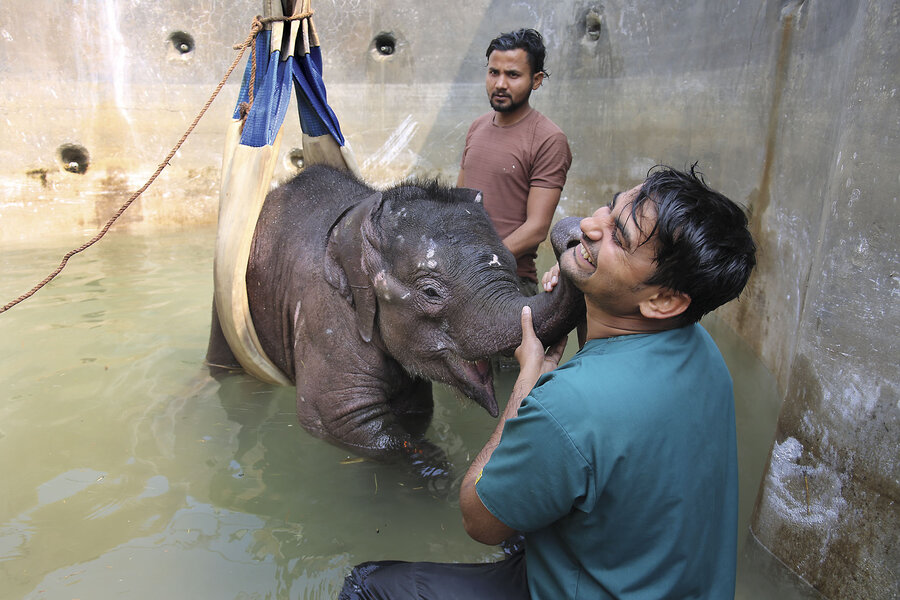
Beyond the Ride: How ethical Tourism is Reshaping India‘s Elephant Welfare
For centuries, elephants have been integral to Indian culture, appearing in religious ceremonies, festivals, and, unluckily, tourism. But a growing movement is challenging the traditional use of elephants for entertainment, focusing rather on their welfare and offering travelers a more responsible way to connect with these grand creatures. This shift isn’t just about compassion; it’s about creating a sustainable tourism model that benefits both elephants and local communities.
The Problem with Traditional Elephant Tourism
The image of riding an elephant may seem exotic, but the reality behind it is often grim. Many elephants endure brutal training methods – known as “the crush” - to break their spirit and make them compliant. This involves physical abuse, isolation, and deprivation.
Here’s a breakdown of the issues:
* Abusive Training: Elephants are subjected to painful and traumatic training to accept riders and perform tricks.
* Poor Living Conditions: Elephants are often chained for extended periods, lacking adequate space, social interaction, and veterinary care.
* Health Concerns: Carrying tourists, especially in hot climates, puts immense strain on an elephant’s spine and joints, leading to chronic health problems.
* Exploitation for Begging: A particularly disturbing practise involves forcing elephants to beg on the streets, exposing them to harsh conditions and neglect. An estimated 270 elephants are currently used for begging in India.
Wildlife SOS: Leading the Charge for Change
Organizations like Wildlife SOS are at the forefront of rescuing, rehabilitating, and providing a dignified life for elephants rescued from exploitative situations. Their Elephant Conservation and Care Center (ECCC) in Haryana is a shining example of ethical elephant care.
“Once people understand the abuse, they change their mind very quickly,” says Kartick Satyanarayan, co-founder and CEO of Wildlife SOS. “The same revenue, or more, can be generated without subjecting elephants to abuse.”
What Does Ethical elephant Tourism Look Like?
You can experience the wonder of elephants without contributing to their suffering. Here’s how:
* Choose Sanctuaries Over Rides: Opt for sanctuaries that prioritize the elephant’s well-being, offering observation opportunities rather than rides or performances.
* Look for Positive Reinforcement: Ethical facilities use positive reinforcement techniques, rewarding desired behaviors rather of relying on punishment.
* Observe, Don’t Interact Directly: Respect the elephant’s space and avoid activities like bathing or painting, which can be stressful for the animal.
* Support Responsible Tour Operators: Partner with tour companies committed to ethical wildlife tourism practices, like those affiliated with the Responsible Tourism Society of India.
* Ask Questions: Don’t hesitate to inquire about the facility’s practices, including their sourcing of elephants, training methods, and veterinary care.
How You Can Get Involved
Wildlife SOS offers meaningful volunteer opportunities for those who want to contribute to elephant welfare. You can:
* Join a Walk: Accompany elephants on their daily walks, providing companionship and enrichment.
* Assist with Meal Readiness: Help prepare nutritious meals, ensuring elephants receive the proper diet.
* Help Maintain Enclosures: Contribute to keeping the sanctuary clean and comfortable.
leena Walia-Thomas, a long-time volunteer, emphasizes the importance of witnessing the compassionate care provided by Wildlife SOS. “Everyone should visit to see the care and compassion with which Wildlife SOS looks after these elephants,” she says. “And to understand how not to aid animal cruelty.”
Retraining Mahouts for a Kinder Future
Wildlife SOS doesn’t just rescue elephants; they also support the people who have traditionally cared for them. The institution retrains mahouts (elephant handlers), providing them with decent wages, medical insurance, and education in positive reinforcement techniques. This ensures a sustainable future for both elephants and their caretakers.
A Future Free from Exploitation
Wildlife SOS’s latest campaign aims to eliminate the practice of using elephants for begging.By providing rescued elephants with a safe and dignified life, they are paving the way for a future where these majestic animals are treated with the respect they deserve.
Keep reading