
The architectural landscape of Indonesia’s financial sector is undergoing a profound transformation. With the recent legislative developments surrounding the P2SK Law (the Law on the Development and Strengthening of the Financial Sector), the nation is signaling a decisive shift toward more integrated, yet more scrutinized, economic governance. This movement, aimed at fortifying national financial stability, introduces a complex new dynamic between the central bank, regulatory bodies, and the legislative branch.
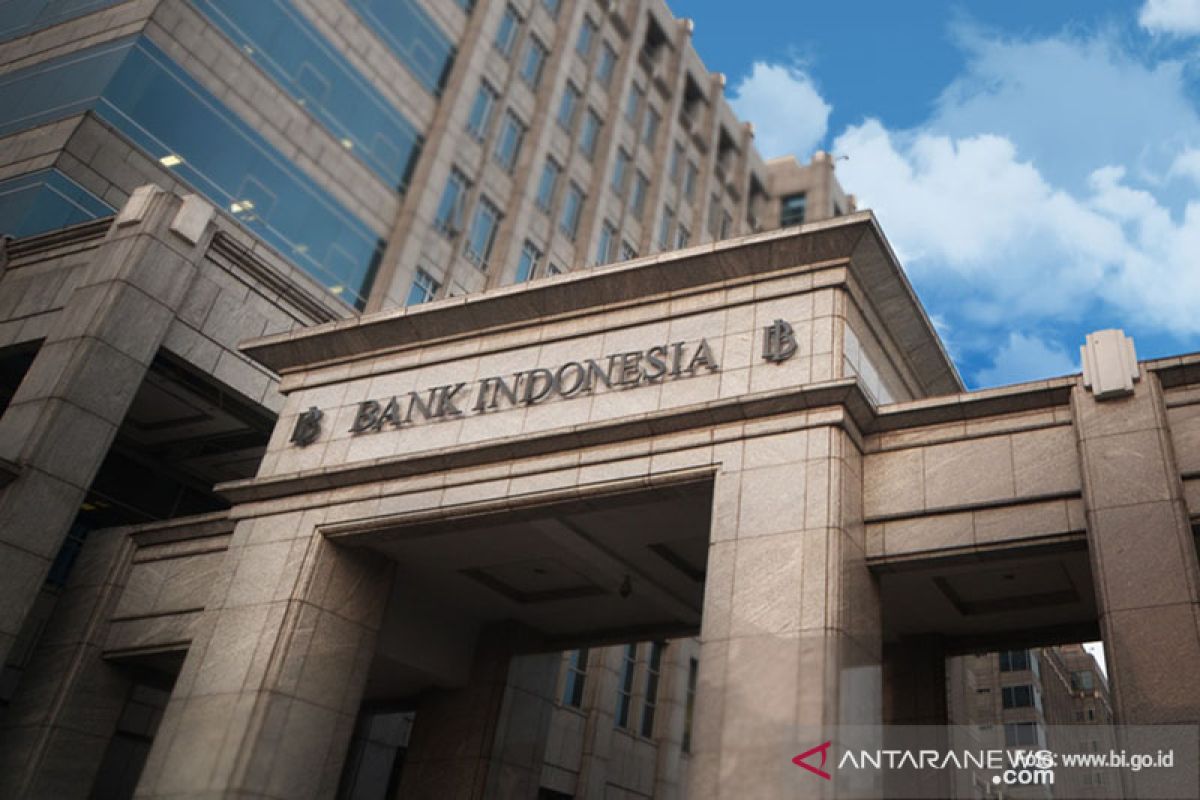
At the heart of this evolution is the expansion of Bank Indonesia’s (BI) mandate and the sharpening of the House of Representatives’ (DPR) oversight capabilities. For global investors and regional stakeholders, these changes represent more than mere bureaucratic adjustments; they are fundamental shifts in how Indonesia manages inflation, supports economic growth, and maintains the autonomy of its monetary authority. As the administration moves to implement these sweeping reforms, the international community is closely watching how these new powers will be exercised in practice.
The P2SK framework, officially enacted as Law No. 4 of 2023, serves as an “omnibus” style regulation designed to harmonize the fragmented rules governing Indonesia’s financial institutions. By addressing everything from banking and insurance to digital assets and commodity trading, the law seeks to create a more resilient ecosystem capable of weathering global volatility. However, the increased involvement of the DPR in evaluating Bank Indonesia’s performance has sparked a critical debate regarding the delicate balance between democratic accountability and the essential independence of a central bank.
The Expansion of Bank Indonesia’s Mandate: Growth vs. Stability
Historically, Bank Indonesia has operated with a primary focus on maintaining the stability of the Rupiah through inflation targeting. However, under the refined mandates of the P2SK framework, the central bank is now tasked with a broader, more nuanced objective: supporting sustainable economic growth. This dual mandate places BI at the center of a complex balancing act that many emerging market economists are monitoring closely.
The addition of “supporting sustainable economic growth” to BI’s core responsibilities means the central bank must now consider the broader macroeconomic implications of its interest rate decisions. While price stability remains the cornerstone, the ability to facilitate credit flow and support productive sectors is now an explicit part of its mission. This shift closely aligns with the government’s broader “hilirisasi” (downstreaming) agenda, which seeks to transform Indonesia from a raw material exporter into a high-value manufacturing hub.
Critics and analysts have noted that such an expanded mandate could potentially lead to friction between monetary policy and fiscal policy. If the government pushes for aggressive growth through expansionary fiscal measures, BI may find itself under pressure to maintain low interest rates, even if inflationary pressures suggest a need for tightening. Maintaining the credibility of BI’s inflation-targeting framework will be paramount to ensuring that this new mandate does not lead to currency volatility or capital flight.
Parliamentary Oversight: Strengthening Accountability or Eroding Independence?
Perhaps the most contentious element of the recent legislative refinements is the enhanced authority granted to the DPR (Dewan Perwakilan Rakyat) to evaluate the performance of Bank Indonesia. Under the current framework, the legislature is positioned to play a more active role in assessing whether the central bank is meeting its expanded mandates. This includes increased transparency requirements and more rigorous reporting cycles to the parliamentary committees.

Proponents of this increased oversight argue that It’s a necessary component of good governance. In a democratic framework, central bank officials—who wield immense power over the economy—must be accountable to the people through their elected representatives. By allowing the DPR to evaluate BI’s effectiveness, the law aims to ensure that the central bank’s actions remain aligned with the broader national economic interests and the public good.

However, the international financial community often views increased political oversight of central banks as a potential risk factor. The independence of a central bank is widely considered a prerequisite for low inflation and stable capital markets. The fear is that if the DPR’s evaluation process becomes overly politicized, it could influence monetary policy decisions, leading to short-term political gains at the expense of long-term economic stability. The key to success will lie in the institutional safeguards that prevent political pressure from overriding data-driven monetary decisions.
The OJK and the Commodity Sovereignty Push
Parallel to the shifts in monetary policy, the Otoritas Jasa Keuangan (OJK), Indonesia’s Financial Services Authority, is being repositioned to play a more aggressive role in the nation’s commodity markets. A significant strategic goal emerging from recent policy discussions is the repatriation of commodity trading from foreign hubs—specifically Singapore—back to domestic Indonesian exchanges.
For years, a substantial volume of Indonesia’s vital mineral and commodity trades, including nickel and coal, has been settled on the Singapore Exchange (SGX). The OJK, in coordination with the Ministry of Trade, is working to strengthen the domestic regulatory framework to ensure that these high-value transactions occur within Indonesia. This move is not merely about domestic pride; it is a strategic economic play to capture more value from the supply chain, improve tax collection, and strengthen the domestic financial infrastructure.
By mandating or incentivizing the use of local exchanges, Indonesia aims to consolidate its position as a global leader in the “green energy” transition, particularly as its nickel reserves are critical for the global electric vehicle (EV) battery market. The OJK’s task is to ensure that the domestic exchange can provide the liquidity, transparency, and stability required to compete with established international hubs like Singapore.
Danantara and the Emergence of New Investment Vehicles
Adding another layer to Indonesia’s financial evolution is the emergence of Danantara (the Indonesia Investment Authority or a similar sovereign wealth-style entity). Discussions surrounding the creation of a massive, centralized investment body—often referred to in the context of managing state-owned assets more like Singapore’s Temasek—are gaining momentum within the current administration.
A key component of this new economic era is the potential issuance of specialized instruments, such as the rumored “Merah Putih Bond.” While specific details regarding the terms and mandatory participation of high-net-worth individuals remain subject to official confirmation, the concept points toward a strategy of mobilizing domestic capital to fund massive national infrastructure and industrialization projects.
If Danantara successfully integrates with the P2SK framework, it could provide the necessary capital to drive the “hilirisasi” agenda without placing the entire burden on the national budget (APBN). This would represent a significant maturation of Indonesia’s sovereign wealth capabilities, allowing the nation to leverage its natural resource wealth into long-term, diversified financial assets.
Summary of Key Regulatory Shifts
| Entity | Core Change | Primary Objective |
|---|---|---|
| Bank Indonesia (BI) | Expanded mandate to include sustainable growth support. | Align monetary policy with national industrialization goals. |
| DPR (Parliament) | Increased authority to evaluate BI’s performance. | Enhance democratic oversight and institutional accountability. |
| OJK | Enhanced role in commodity market regulation. | Shift mineral trading from Singapore to domestic exchanges. |
| Danantara | Proposed sovereign investment management body. | Mobilize capital for large-scale national strategic projects. |
What In other words for Global Investors
For the global investment community, the implementation of the P2SK Law and the subsequent shifts in BI and OJK operations present a mixture of opportunity and caution. On one hand, the drive toward financial stability and the professionalization of investment bodies like Danantara could lead to a more robust and predictable investment environment. The focus on domestic commodity trading also signals a long-term commitment to value-added manufacturing, which could provide significant returns in the industrial and mining sectors.
the increased scrutiny of Bank Indonesia by the legislature remains a “watch item.” Investors typically demand a high degree of central bank independence to hedge against inflation and currency risk. Any sign that monetary policy is being swayed by short-term political cycles could lead to increased risk premiums on Indonesian sovereign debt and the Rupiah.
the transition of commodity trading from Singapore to Indonesia will require careful monitoring of liquidity levels. While the move is strategically sound for Indonesia, the immediate impact on market depth and transaction costs for international traders will be a critical factor in determining the success of the transition.
As Indonesia continues to refine these regulations, stakeholders should monitor official updates from the Bank Indonesia official website and Otoritas Jasa Keuangan for the release of implementing technical regulations (Peraturan Pelaksana) that will define the practical boundaries of these new powers.
Next Checkpoint: The market will be looking toward upcoming parliamentary sessions and the formal announcement of the Danantara operational framework to gauge the actual implementation speed of these reforms.
What are your thoughts on the balance between central bank independence and parliamentary oversight? Does Indonesia’s push for commodity sovereignty benefit the global supply chain? Share your insights in the comments below and share this analysis with your network.
Related reading