US-Indonesia Trade Deal Fuels Concerns Over ‘Energy Dominance’ Agenda
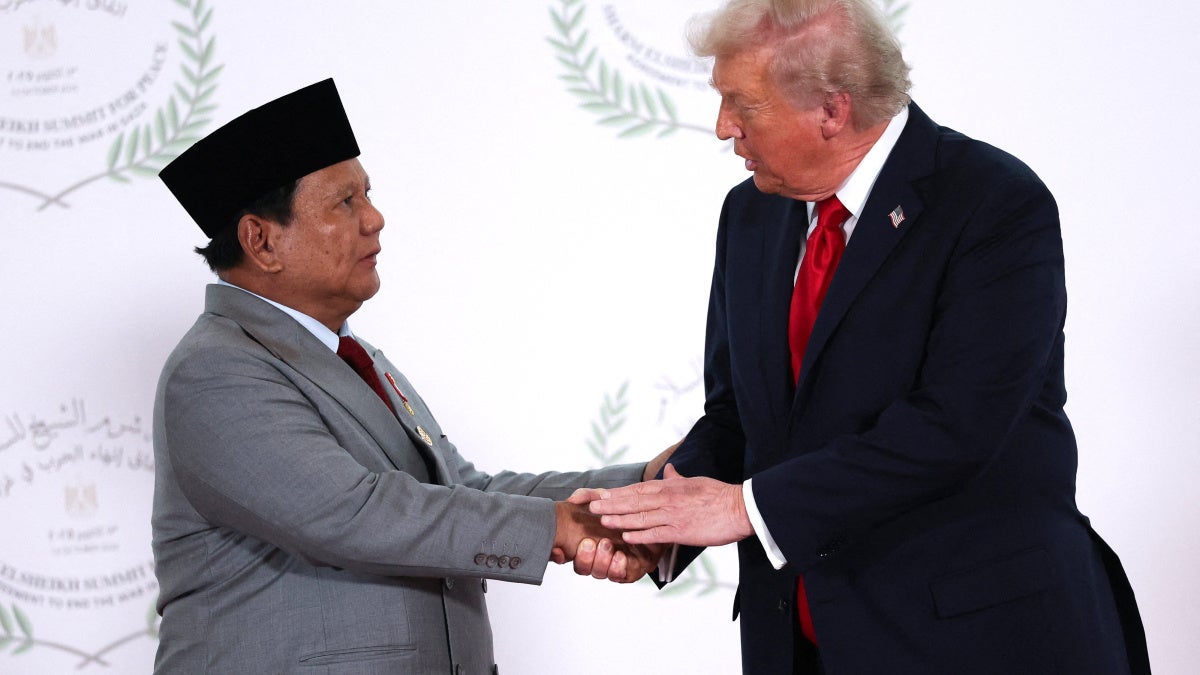
Jakarta and Washington recently solidified a fresh trade agreement, announced on February 20, that includes a commitment of US$15 billion for Indonesian imports of US fossil fuels. This deal, encompassing oil, liquefied petroleum gas, and metallurgical coal, is not an isolated event but rather a key component of the United States’ broader “Energy Dominance Agenda,” a policy initiative aimed at maximizing domestic fossil fuel production and expanding exports globally. The agreement has sparked debate, with proponents citing energy security benefits and critics raising alarms about its potential to undermine Indonesia’s climate commitments and exacerbate human rights concerns within its resource extraction industries.
The US “Energy Dominance Agenda,” initially championed during the Trump administration, has continued under the Biden administration, albeit with a more nuanced approach. While the Biden administration has emphasized climate action, it has simultaneously supported increased oil and gas production to address global energy market volatility and bolster alliances. This dual approach is evident in the Indonesia deal, which officials frame as a strategic partnership to enhance energy security in Southeast Asia while simultaneously providing a market for US fossil fuel exports. The deal as well facilitates increased US investment in Indonesia’s mining sector, mirroring similar agreements recently struck with the Democratic Republic of Congo, where access to critical minerals is a key US priority. The US International Development Finance Corporation (DFC) is expected to play a significant role in financing these investments, according to a statement released by the US Embassy in Indonesia. US Embassy in Indonesia Fact Sheet
A Step Back for Indonesia’s Climate Goals?
Environmental groups and climate advocates have voiced strong opposition to the agreement, arguing that it directly contradicts Indonesia’s stated commitment to transitioning away from fossil fuels. Indonesia, Southeast Asia’s largest economy, pledged to achieve net-zero emissions by 2060 at the COP26 climate summit in Glasgow. A central component of this plan was the $20 billion Just Energy Transition Partnership (JETP), launched in 2022, designed to accelerate the country’s shift to renewable energy sources. However, recent policy decisions suggest a divergence from this path.
Despite the JETP commitment, President Prabowo Subianto’s administration has approved a significant expansion of coal-fired power generation capacity. A report by Ember, a global energy think tank, revealed plans for the construction of over 13 gigawatts of new coal plants, potentially locking Indonesia into decades of continued coal dependence. Ember Report on Coal Expansion Atina Rizqiana, a researcher at CELIOS, a Jakarta-based energy policy research group, stated that the US-Indonesia deal “represents a significant setback in the energy transition agenda.” She further emphasized that the increased reliance on fossil fuel imports undermines Indonesia’s ability to meet its international climate obligations and hinders the development of a sustainable energy future.
Indonesia has also seen a substantial increase in Liquified Natural Gas (LNG) import infrastructure in recent years, driven by growing energy demand and a desire to diversify its energy sources. However, this expansion raises concerns about long-term fossil fuel lock-in, particularly as new LNG projects attract significant foreign investment. According to the Global Energy Monitor, Southeast Asian countries are rapidly expanding their gas extraction plans, but uncertainty remains regarding the long-term viability of these projects in a world increasingly focused on decarbonization. Global Energy Monitor Report on Southeast Asia Gas Extraction
Human Rights Concerns in Indonesia’s Resource Extraction Industries
Beyond the climate implications, the US-Indonesia trade deal raises serious concerns about human rights abuses associated with Indonesia’s mining sector, particularly in the nickel and coal industries. Indonesia is a major producer of nickel, a critical mineral used in the production of electric vehicle batteries, and the demand for nickel is expected to surge in the coming years. However, the rapid expansion of the nickel industry has been linked to widespread environmental degradation and human rights violations, including land grabbing, forced displacement, and suppression of local communities.
Reports from organizations like Business & Human Rights Resource Centre document numerous instances of environmental damage and abuses in Indonesian nickel smelters. Business & Human Rights Resource Centre – Indonesia Similar concerns exist in the coal mining sector, where communities living near mines often face health problems due to air and water pollution, as well as displacement and loss of livelihoods. The Indonesian government has been criticized for its limited efforts to protect the rights of these communities and enforce environmental regulations.
The influx of US investment into Indonesia’s mining sector, facilitated by the trade deal, could exacerbate these risks. Human rights groups are urging US investors to exercise caution and conduct thorough due diligence to ensure that their investments do not contribute to human rights abuses or environmental damage. The Corporate Responsibility Initiative (CRI) has called on US business groups to raise concerns about human rights and climate issues with President Prabowo’s government. CRI Statement on US Business and Indonesia They highlight the need for robust human rights due diligence processes and transparent supply chains to mitigate the potential for complicity in abuses.
The Broader Context: US Energy Diplomacy and Global Implications
The US-Indonesia trade deal is part of a larger pattern of energy diplomacy pursued by the United States in recent years. The Biden administration has sought to strengthen energy partnerships with countries around the world, both to secure access to critical minerals and to promote US fossil fuel exports. Similar agreements have been reached with Japan, the Democratic Republic of Congo, and other nations, reflecting a strategic effort to counter the influence of Russia and China in the global energy market.
However, this approach has drawn criticism from environmental groups and human rights advocates, who argue that it undermines US climate leadership and perpetuates a reliance on fossil fuels. They contend that the US should prioritize investments in renewable energy and support a just transition away from fossil fuels, rather than seeking to expand fossil fuel production and exports. The rollback of environmental protections under the Trump administration, including regulations on methane emissions and mercury pollution, has further fueled these concerns. Human Rights Watch Report on Trump Administration Rollbacks
The implications of the US “Energy Dominance Agenda” extend beyond Indonesia. Countries that enter into energy deals with the US risk losing credibility on climate and human rights, and may jeopardize access to international financing for sustainable development. The International Energy Agency (IEA) has warned that continued investment in fossil fuels is incompatible with achieving the goals of the Paris Agreement. IEA Net Zero by 2050 Report The long-term consequences of prioritizing short-term energy security over climate action and human rights could be severe, particularly for vulnerable communities and developing nations.
Looking Ahead
The Indonesian government is currently reviewing its national energy plan, with a revised version expected to be released later this year. This review will be a critical opportunity to reassess the country’s energy priorities and ensure that they align with its climate commitments and sustainable development goals. Civil society organizations are calling for greater transparency and public participation in the energy planning process, as well as stronger enforcement of environmental and human rights regulations. The US government also has a role to play in promoting responsible investment and ensuring that its energy partnerships with Indonesia do not approach at the expense of environmental protection and human rights.
The next key development to watch will be the implementation of the JETP financing plan, which is expected to unlock billions of dollars in investment for renewable energy projects in Indonesia. The success of the JETP will depend on the Indonesian government’s willingness to prioritize renewable energy development and phase out coal-fired power generation. The US-Indonesia trade deal, while raising concerns, does not preclude Indonesia from pursuing a sustainable energy future, but it requires a firm commitment to climate action and a robust regulatory framework to protect human rights and the environment.
Key Takeaways:
- The US-Indonesia trade deal prioritizes US fossil fuel exports, raising concerns about Indonesia’s climate goals.
- The agreement echoes a broader US “Energy Dominance Agenda” aimed at expanding fossil fuel production.
- Human rights abuses in Indonesia’s mining sector, particularly nickel and coal, are a significant concern.
- US investors are urged to exercise caution and conduct thorough due diligence.
- The deal highlights the tension between energy security and climate action in global energy policy.
What are your thoughts on the US-Indonesia trade deal? Share your perspectives in the comments below. Don’t forget to share this article with your network to raise awareness about this important issue.
Worth a look