
Indonesia’s tax authority has confirmed no plans to extend the deadline for corporate annual tax returns, despite ongoing efforts to boost compliance through digital platforms. The Directorate General of Taxes (DJP) stated that the standard filing period for corporate taxpayers remains unchanged, with submissions due by the end of April each year for the previous fiscal period.
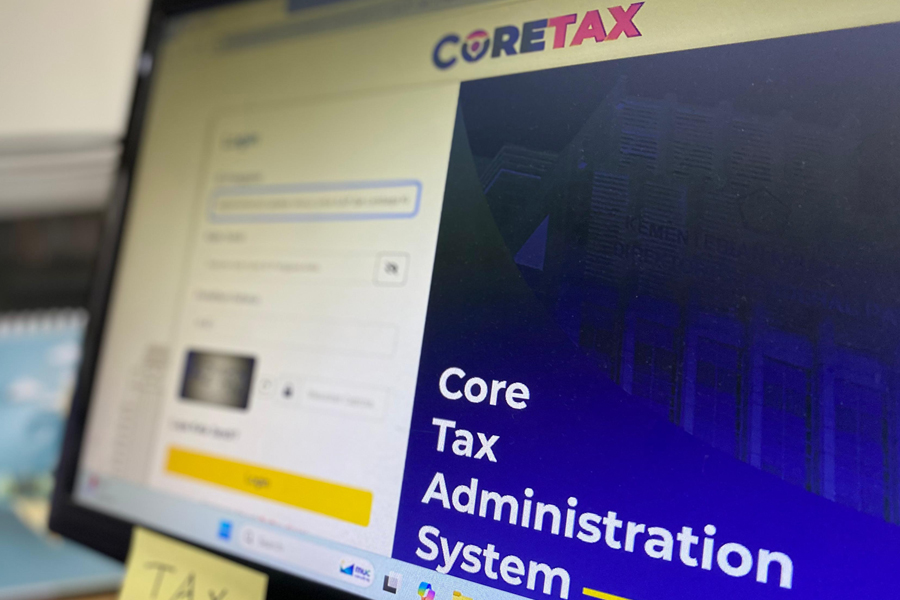
This clarification comes as the DJP continues to promote its Coretax system, which has seen significant adoption since its launch. Official data shows that by April 2026, over 18.19 million taxpayer accounts had been activated on the Coretax platform, reflecting growing engagement with digital tax services across the archipelago.
The announcement addresses speculation that had circulated following reports of increased filing activity among individual taxpayers. While personal income tax returns have shown strong uptake, corporate filing timelines are governed by separate regulations that maintain fixed deadlines unless formally revised through ministerial decree.
Coretax Platform Drives Digital Tax Compliance
The Coretax system, introduced by the DJP as part of broader administrative reforms, serves as the primary channel for electronic tax filing in Indonesia. It integrates functions for registration, return submission, payment processing, and certificate issuance, aiming to streamline interactions between taxpayers and tax authorities.
According to verified DJP records accessed through the official Coretax portal, the platform offers specific modules for both individual and corporate taxpayers. Users access the system via the DJP website, where they can create draft returns, validate data using pre-filled information, and submit final filings with digital signatures.
Recent updates to the system include enhanced mobile accessibility through the Coretax Mobile application and improved guidance materials for specific taxpayer categories, such as small businesses and freelancers. These developments are part of a sustained effort to increase voluntary compliance through user-friendly digital tools.
Filing Activity Shows Strong Growth Ahead of Deadline
Tax return submissions have accelerated in recent weeks, with the DJP reporting that over 11.4 million annual returns had been filed by mid-April 2026. This figure represents significant progress toward the authority’s seasonal target of 15 million total filings for the individual and corporate segments combined.
The surge in activity coincides with the traditional peak period before the April 30 deadline for annual tax returns. Tax officials have emphasized that timely submission helps avoid potential administrative sanctions and ensures access to certain government services that require tax compliance verification.
To support last-minute filers, the DJP has maintained multiple payment options, including the employ of deposit balances or generated billing codes for those needing to settle tax liabilities. The authority continues to remind taxpayers that returns showing a “less payment” status move to a pending payment queue until settlement is completed.
Digital Adoption Expands Across Regions
Beyond national trends, localized initiatives have contributed to rising Coretax activation rates. In Central Kalimantan, for example, regional tax offices reported that over 520,000 taxpayers had activated their Coretax accounts through targeted outreach programs.
These regional efforts often combine direct assistance with public information campaigns, focusing on helping first-time users navigate the digital filing process. Tax officials note that successful activation enables access to features like pre-populated data fields, which reduce manual entry errors and improve filing accuracy.
The geographic spread of adoption reflects the DJP’s strategy of pairing national digital infrastructure with localized support to address varying levels of technological access and familiarity across Indonesia’s diverse regions.
Understanding the Annual Tax Filing Process
For corporate taxpayers, the annual income tax return (SPT Tahunan Badan) reconciles a company’s fiscal year financial performance with its tax obligations. The filing requires detailed reporting of revenue, deductible expenses, and applicable tax credits, ultimately determining whether additional payment is due or a refund should be issued.
The DJP provides step-by-step guidance through its Coretaxpedia resource, which outlines the exact sequence: accessing the SPT menu, selecting the corporate return option, specifying the tax period, choosing between normal or amended filing types, and beginning the data entry process. System-assisted posting helps populate standard sections, after which taxpayers review and complete remaining fields.
Final submission requires digital authentication, after which returns either enter a payment queue if liabilities exist or move to a “filed” status if no further action is needed. The authority stresses that all filings must be completed by the statutory deadline to maintain compliance standing.
As the April deadline approaches, tax officials continue to encourage early action through official channels, emphasizing that the Coretax platform remains available 24/7 for return preparation and submission. No official announcements have indicated any change to the established timetable for corporate annual returns.