
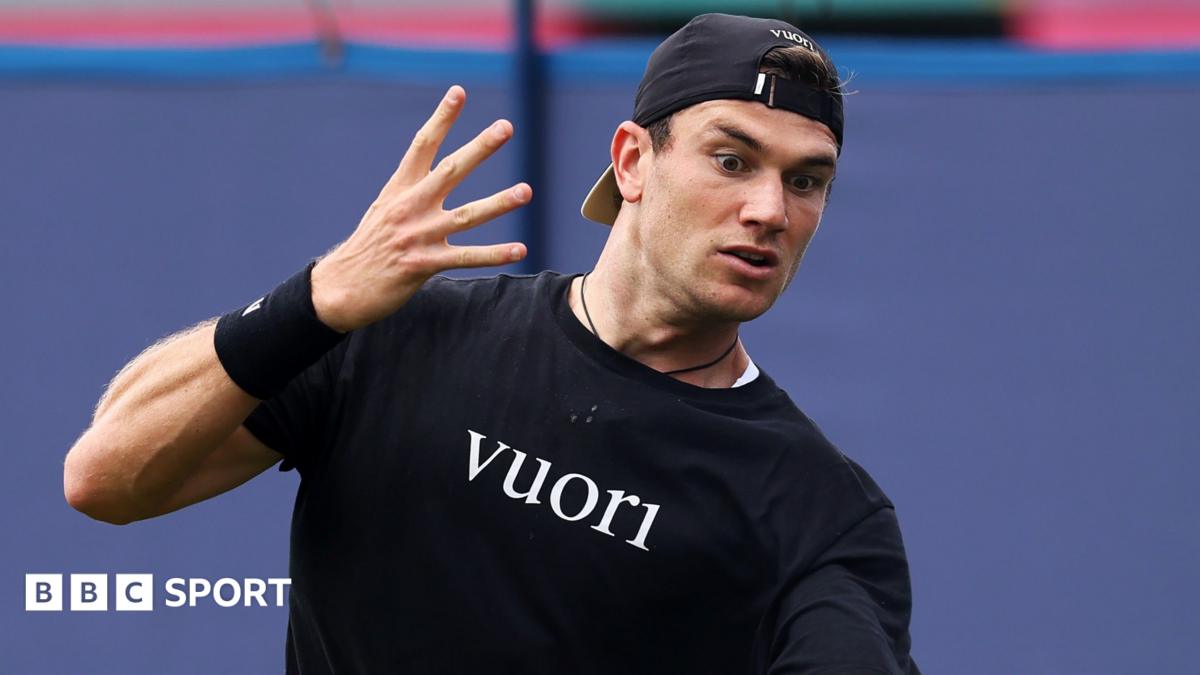
British tennis professional Jack Draper has candidly addressed the psychological toll of his recent injury struggles, describing the experience as akin to witnessing his own physical decline. Despite these setbacks, the 22-year-old insists that his professional trajectory is not defined by his medical history and that he maintains a long-term vision for his career beyond the current recovery phase. Draper, who reached a career-high ranking of world number 20 in 2024, has faced multiple interruptions to his momentum due to various physical ailments over the past two seasons.
The mental burden of recurring physical issues is a documented challenge for elite athletes, often requiring significant psychological resilience alongside physical rehabilitation. According to statements provided to the BBC, Draper noted that while the process of recovering from injuries felt like a personal decline, he remains confident that his future in the ATP Tour will not be characterized solely by time spent on the sidelines.
Understanding the Physical Toll of Elite Tennis
Professional tennis players operate under a grueling schedule that spans nearly ten months of the year, often leading to high rates of injury. Jack Draper’s career has been punctuated by several notable health challenges, including shoulder, abdominal, and ankle issues that have forced him to withdraw from various tournaments. Data from the ATP Tour confirms that maintaining consistent performance levels is heavily dependent on injury prevention and effective recovery protocols.

Draper’s experience highlights a common anxiety among young athletes: the fear that their physical window for success is shrinking before they have fully established themselves at the top of the rankings. By acknowledging these feelings, Draper has joined a growing cohort of professional athletes who are increasingly open about the mental health impacts of physical injury. The transition from active competition to rehabilitation often disrupts the routine and identity of a professional player, leading to the sensation of regression described by the British number one.
The Path to Consistency and Ranking Stability
Despite the interruptions, Draper’s performance during his healthy periods has signaled significant potential. His 2024 season included a breakthrough run to his first Grand Slam semifinal at the US Open, where he reached the final four before falling to Jannik Sinner in straight sets. Statistics from the International Tennis Federation show that Draper’s ability to compete at the highest level is undiminished when he is physically at his peak.

The focus for Draper’s team moving forward remains on load management and physical conditioning. The demands of the modern game, which favor increased speed and power, place significant stress on the joints and muscles of players. Experts in sports medicine often emphasize that for a player of Draper’s age, the primary objective is to build a foundation that minimizes the risk of re-injury, allowing for more consistent tournament participation throughout the calendar year.
Looking Toward the Next Competitive Cycle
As Draper looks toward the upcoming season, the emphasis is on establishing a rhythm that allows him to remain on the court for extended periods. The transition between surface types—from the clay of the European spring to the grass of Wimbledon and the hard courts of the North American swing—requires constant physical adjustment. Any lack of preparation due to injury can lead to a cascade of further issues, a cycle the Briton is actively working to avoid.

Draper’s resilience is backed by his recent results, which provide evidence that his game is maturing. While the psychological challenge of recovery is substantial, the professional consensus is that he possesses the requisite talent to contend for major titles if he can maintain health. The next major test for Draper will be the start of the 2025 season, where he is expected to feature in the Australian Open, provided his recovery remains on schedule.
Fans and followers of the ATP Tour can monitor official tournament entry lists and injury updates via the official ATP website to track Draper’s progress as he prepares for his next competitive appearance. Readers are encouraged to share their thoughts on the balance between physical health and career longevity in professional sports in the comments section below.