
Intermittent fasting may offer a protective mechanism for the brain against the physiological toll of chronic stress, according to research conducted by teams exploring metabolic health and neurobiology. While the practice is widely recognized for its effects on weight management and blood glucose regulation, emerging evidence suggests that the periodic restriction of food intake can trigger cellular repair processes that bolster neural resilience.
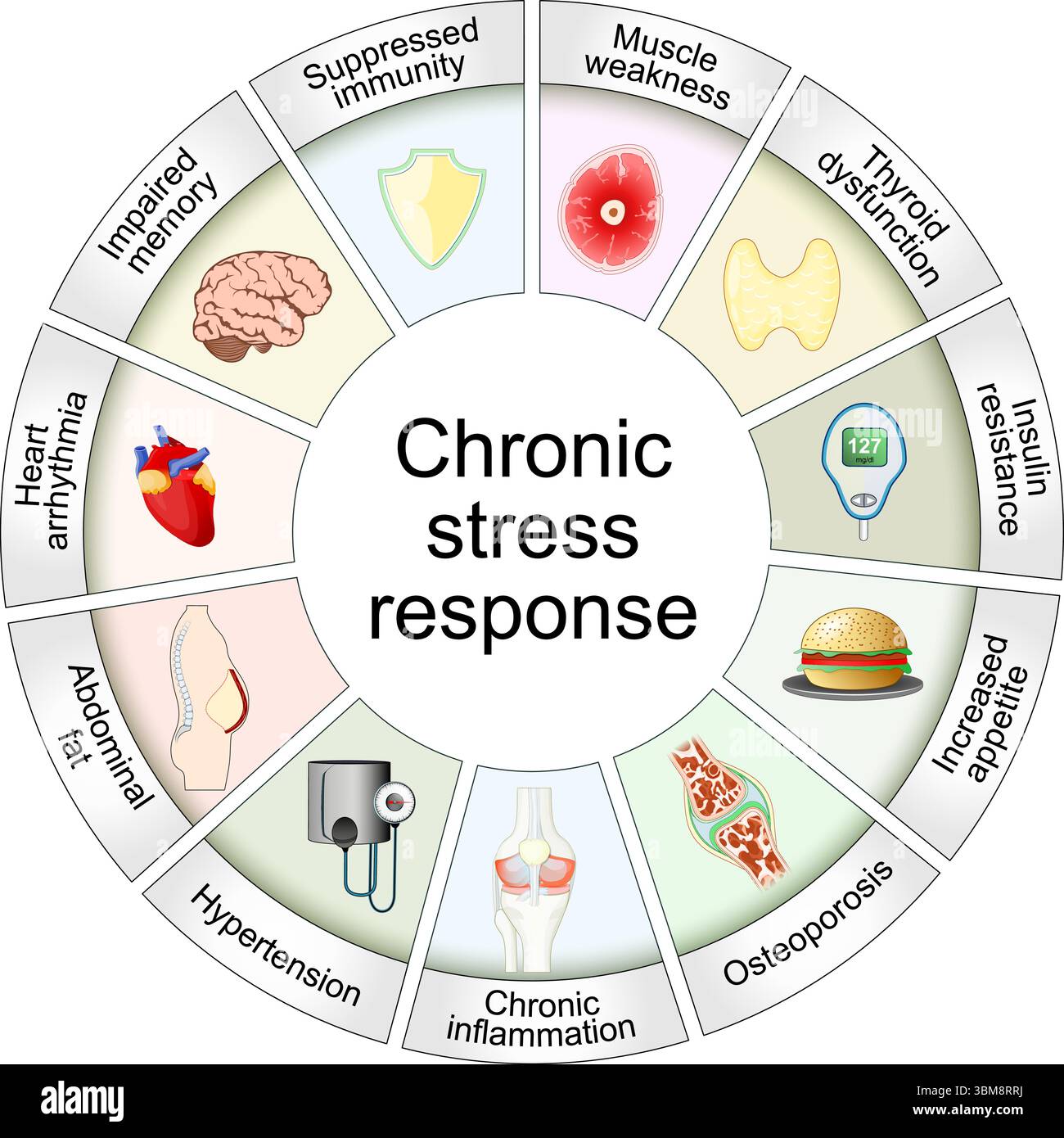
Chronic stress is known to elevate cortisol levels, which, over time, can impair cognitive function and contribute to the degradation of synaptic connections in the hippocampus—a brain region critical for memory and learning. Recent investigations indicate that intermittent fasting may help mitigate this damage by activating autophagy, a cellular “housekeeping” process that clears out damaged proteins and organelles. By modulating metabolic pathways, this dietary approach appears to shift the brain’s energy source from glucose to ketones, a transition that has been shown in various models to enhance neurotrophic factor production, such as Brain-Derived Neurotrophic Factor (BDNF), which supports neuronal survival and plasticity, as reported by the National Institute on Aging.
The Metabolic Shift and Brain Resilience
The core of the potential protective effect lies in metabolic switching. When the body undergoes a period of fasting—typically lasting 12 to 24 hours depending on the protocol—it depletes its liver glycogen stores. Once these stores are exhausted, the body begins mobilizing fatty acids and converting them into ketones in the liver. According to research published in the journal Nature Reviews Neuroscience, these ketones are not merely an alternative fuel source; they act as signaling molecules that influence gene expression related to stress resistance and antioxidant defenses.

In individuals facing chronic psychosocial or environmental stress, the brain’s inflammatory response is often heightened. Intermittent fasting may help dampen this neuroinflammation. By reducing the frequency of insulin spikes and lowering systemic oxidative stress, the brain is afforded a period of “metabolic rest.” This environment is less conducive to the chronic activation of the hypothalamic-pituitary-adrenal (HPA) axis, the body’s primary stress response system. As noted by the National Center for Biotechnology Information, the upregulation of BDNF during fasting periods is a central mechanism by which the brain maintains structural integrity despite external stressors.
Distinguishing Between Animal Models and Human Clinical Data
While the biological plausibility of these findings is strong, it is essential to distinguish between findings in rodent models and human clinical applications. Much of the data regarding neuroprotection via fasting comes from controlled laboratory studies on mice. These studies allow for precise manipulation of fasting windows and rigorous measurement of hippocampal markers, which are difficult to replicate with the same level of granularity in human populations due to lifestyle variables and dietary heterogeneity.
The Harvard Medical School has emphasized that while intermittent fasting shows promise in clinical trials for metabolic health, long-term human studies focused specifically on neuroprotection against chronic stress are still evolving. The translation of these findings into standard medical advice requires caution. Factors such as baseline nutritional status, age, and underlying metabolic health significantly influence how an individual’s brain responds to caloric restriction. What is effective in a controlled, high-stress rodent model may not translate directly to the complex, multi-factorial stress experienced in a human daily life.
Practical Considerations for Implementation
For those considering intermittent fasting as a tool for health management, medical professionals advise a gradual approach. The practice is generally categorized into methods like time-restricted feeding (e.g., the 16:8 method) or periodic fasting days. From a clinical perspective, the primary goal should be metabolic stability rather than aggressive caloric deprivation.
Patients with a history of disordered eating, type 1 diabetes, or those who are pregnant or breastfeeding are generally advised against intermittent fasting without direct medical supervision. The goal of using fasting as a stress-mitigation strategy is to support the body’s natural homeostatic mechanisms, not to induce additional physiological stress through extreme restriction. Current guidelines from the Mayo Clinic suggest that the quality of food consumed during eating windows remains as important as the timing of those windows, emphasizing whole foods, fiber, and adequate hydration to support cognitive function.
Future Directions in Neuro-Metabolic Research
The next phase of research will likely focus on identifying the specific fasting durations required to trigger neuroprotective benefits in humans. Researchers are currently looking at biomarkers of metabolic switching—such as beta-hydroxybutyrate levels—to correlate dietary patterns with cognitive outcomes. Future clinical trials are expected to provide more definitive data on whether these metabolic shifts can truly protect against the long-term cognitive decline associated with chronic, high-cortisol environments.
As this field of study progresses, updates will be provided by major health institutions and peer-reviewed journals. Readers interested in the latest clinical guidelines should consult their primary care physician before making significant changes to their dietary habits. We encourage our readers to share their thoughts or experiences with metabolic health strategies in the comments section below.
Keep reading