Apple Advances Cross-Platform Messaging with RCS Encryption Testing
San Francisco, CA – In a significant step towards improved interoperability, Apple is now testing finish-to-end encryption for Rich Communication Services (RCS) messaging between iPhones and Android devices as part of the iOS 26.4 beta program. This move addresses long-standing concerns about the security of cross-platform communication and signals a potential shift in Apple’s messaging strategy. The latest beta also introduces AI-powered playlist creation for Apple Music and support for video podcasts, enhancing the multimedia experience for users.
For years, users have faced inconsistencies and security vulnerabilities when messaging between iPhones and Android phones, often relying on SMS/MMS which lacks the features and security of modern messaging platforms. The adoption of RCS, a modern messaging protocol, aims to bridge this gap, offering features like read receipts, typing indicators, and high-resolution media sharing. However, the lack of end-to-end encryption has been a critical concern. Apple’s move to implement this crucial security layer demonstrates a commitment to user privacy and secure communication, regardless of the device used. This development comes after years of pressure to adopt the RCS standard, which Google has championed as a universal messaging solution.
RCS Encryption: A Leap Forward for Privacy
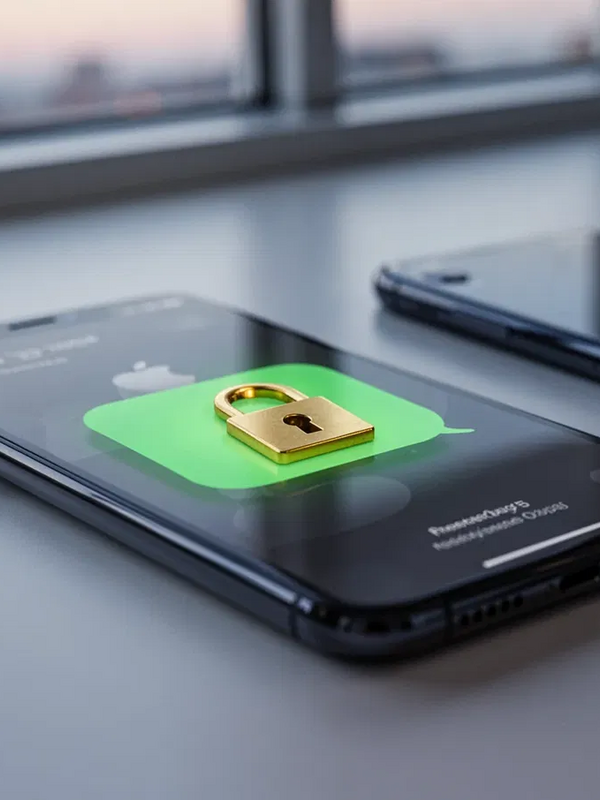
The most notable addition in the second iOS 26.4 beta is the expanded testing phase for end-to-end encryption of the RCS standard. While the first beta limited encryption to iPhone-to-iPhone chats when iMessage was disabled, the current version extends this protection to conversations with compatible Android devices. Beta testers will see a lock icon on green message bubbles, visually confirming the secure connection. This encryption prevents messages from being intercepted or read during transmission between different operating systems, a substantial improvement for cross-platform privacy.
However, it’s important to note that this feature will not be included in the final public release of iOS 26.4. It currently serves as a testing ground, with an official rollout planned for later updates this year. To participate in the testing, users need to install the latest iOS 26.4 beta on their iPhone, and Android users require the latest version of Google Messages. According to Apple’s developer release notes, end-to-end encryption is still in beta and may not be available on all devices or carriers. MacRumors details the current limitations of the beta testing phase.
AI-Powered Music and Video Podcasts
Beyond security enhancements, the update focuses on entertainment features. Apple Music is gaining “Playlist Playground,” an AI-powered tool that allows users to generate personalized 25-song playlists with simple text prompts, such as “relaxing Sunday morning.” The app has also received a visual overhaul and a new feature for discovering concerts and tour dates for favorite artists. This integration of artificial intelligence aims to provide a more intuitive and personalized music experience.
Apple Podcasts is being transformed through the integration of HTTP Live Streaming (HLS). This allows podcasters to offer high-quality video formats seamlessly integrated into the listening experience. Users can switch between watching and listening and download content for offline access. This opens up new monetization opportunities for content creators, potentially attracting a wider audience through engaging video content. The move to support video podcasts aligns with the growing trend of visual storytelling and provides podcasters with a more versatile platform to share their work.
Subtle Refinements for Usability and Security
The second beta release includes several smaller, yet impactful improvements. A new accessibility switch has been added to settings, reducing highlighting effects on buttons, which can be beneficial for users who prefer a less stimulating interface. The system design has been subtly optimized, with the search bar in the Apple Games app moving from the bottom to the top of the screen. The Home Screen edit mode now features a transparent “Liquid Glass” effect, adding a visual polish to the user experience.
Apple is also prioritizing security with default settings. The theft protection feature, which prevents access to critical settings on a stolen device, is now enabled by default. The Health app offers new insights into sleep patterns with “Average Sleep Time” and displays blood oxygen levels directly within the daily view. These enhancements demonstrate Apple’s ongoing commitment to user security and well-being.
A Strategy of Controlled Interoperability
The direction of iOS 26.4 reflects a strategic balance: Apple is opening its ecosystem to more secure communication with Android while maintaining control over the rollout timeline. Pressure from regulatory bodies regarding interoperability likely plays a role in this decision. The European Union’s Digital Markets Act, for example, is pushing for greater interoperability between messaging apps. Yahoo Tech notes that Apple initially resisted adopting RCS, with CEO Tim Cook previously stating he didn’t hear users requesting it.
Notably absent is the comprehensive AI offensive that was anticipated. Instead of a system-wide assistant, Apple is focusing on pragmatic tools like playlist generation. The larger AI innovations appear to be delayed, potentially due to ongoing development and refinement. Bloomberg’s Mark Gurman previously reported delays in Apple’s “Siri 2.0” project, suggesting a cautious approach to deploying advanced AI features.
The final release of iOS 26.4 for all compatible devices is expected in late March or early April 2026. A public beta will precede the official launch, providing a wider audience with access to the new features. The multimedia updates and security improvements will be at the forefront, while the historic Android encryption remains in the testing phase.
Key Takeaways
- Enhanced Security: Apple is testing end-to-end encryption for RCS messages between iPhones and Android devices, bolstering cross-platform communication security.
- AI-Powered Music: The “Playlist Playground” feature in Apple Music uses AI to create personalized playlists based on text prompts.
- Video Podcasts: Apple Podcasts now supports video podcasts through HTTP Live Streaming, offering creators new ways to engage their audience.
- Usability Improvements: The beta includes subtle design refinements and accessibility enhancements for a smoother user experience.
- Controlled Rollout: The RCS encryption feature is currently in beta and will not be available in the initial iOS 26.4 release.
Apple continues to refine its software offerings, balancing innovation with user privacy and security. The upcoming public beta of iOS 26.4 will provide a broader opportunity for users to experience these new features firsthand. Stay tuned for further updates as Apple progresses towards the final release. We encourage readers to share their thoughts and experiences with the beta in the comments below.
Related reading