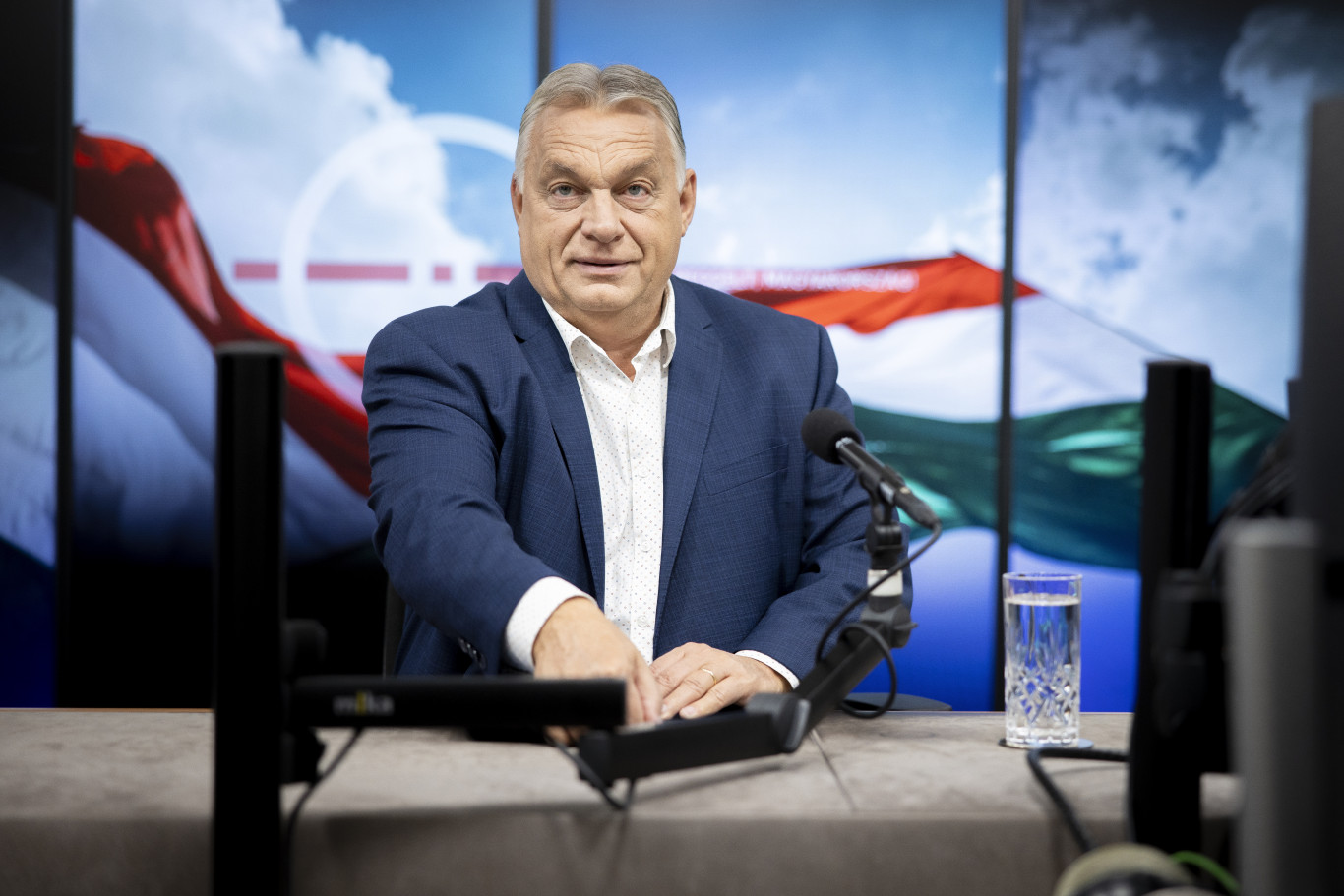
Hungary’s political landscape underwent a seismic shift following the parliamentary elections held on April 12, 2026, as long-serving Prime Minister Viktor Orbán conceded defeat after 16 years in power. The official results, confirmed by Hungary’s National Election Committee with nearly 99% of votes counted, showed the opposition coalition securing a two-thirds supermajority in parliament—enough to enact sweeping constitutional and legislative changes without reliance on Fidesz support.
This outcome marks the end of an era defined by Orbán’s promotion of “illiberal democracy,” a term he embraced to describe his governance model that combined democratic elections with systematic erosion of judicial independence, media pluralism, and civil society oversight. International observers had long warned that Hungary’s democratic backsliding under Fidesh rule posed a significant test for European Union values, particularly regarding rule of law and media freedom.
The opposition victory was spearheaded by Péter Magyar, a former Fidesz insider turned critic, whose newly formed Tisza Party capitalized on widespread public discontent with corruption allegations, cost-of-living pressures, and growing isolation within the EU. Magyar’s campaign gained momentum after releasing audio recordings in 2024 implicating Fidesz officials in attempts to interfere with a high-profile corruption investigation involving his former wife, who had served as justice minister.
According to BBC correspondents based in Budapest, Orbán conceded before the full vote count was completed, acknowledging the scale of his defeat. “After 16 years, Hungarians were ready for a change,” noted Central Europe correspondent Nick Thorpe, reflecting a sentiment echoed across international media covering the election.
The result was met with relief in Kyiv, where Ukrainian officials viewed the change in Hungarian leadership as a potential shift in Budapest’s stance toward Russia’s war in Ukraine. Orbán had frequently blocked EU military aid packages to Ukraine and maintained close ties with Moscow, drawing criticism from NATO allies. Eastern Europe editor Sarah Rainsford reported from Kharkiv that the election outcome represented “a major relief” for those hoping for renewed European unity on security matters.
In Moscow, the reaction was markedly different. BBC Russia editor Steve Rosenberg warned that Orbán’s removal would be “badly received in the Kremlin,” given his role as one of Vladimir Putin’s few remaining allies within the EU. Over the years, Orbán had consistently opposed sanctions on Russia, vetoed statements condemning the invasion, and promoted energy deals that kept Hungary dependent on Russian gas.
Domestically, the latest parliament faces immediate pressure to address institutional reforms promised during the campaign. The opposition has pledged to reverse controversial laws that allowed the government to appoint loyalists to key positions in the judiciary, central bank, and media regulatory bodies. They also intend to reexamine electoral district boundaries widely criticized as gerrymandered to favor Fidesz, a claim substantiated by multiple European Parliament reports documenting unequal vote weighting.
Economic challenges remain acute, with inflation persistently above regional averages and wages lagging behind cost-of-living increases. Analysts note that restoring investor confidence will depend on demonstrable commitments to judicial independence and transparency—conditions the EU has repeatedly tied to the release of frozen cohesion funds under its rule of law conditionality mechanism.
As Hungary prepares for a transition of power, all eyes turn to the inaugural session of the new parliament, where the opposition coalition will test its ability to govern cohesively despite ideological diversity ranging from center-left liberals to green activists and conservative regionalists. The first major test will likely come in efforts to reform the Constitutional Court, whose recent rulings have frequently favored government positions.
For now, the focus remains on verifying the final vote tallies and ensuring a peaceful transfer of authority. Hungary’s National Election Committee is expected to release the complete, certified results within the coming days, marking the formal conclusion of one of the most closely watched electoral contests in recent European history.
What does this imply for Hungary’s place in Europe? Only time will tell whether the promise of democratic renewal translates into tangible reforms—or if the deep institutional changes enacted over sixteen years prove harder to reverse than anticipated. The coming months will reveal whether Budapest can reclaim its role as a constructive partner within the European project or continue to grapple with the legacy of polarized governance.
Stay informed about developments in Hungarian politics by following updates from trusted international sources and official Hungarian government channels. Share your thoughts on this pivotal moment in Central European history in the comments below, and support others understand its significance by sharing this article.