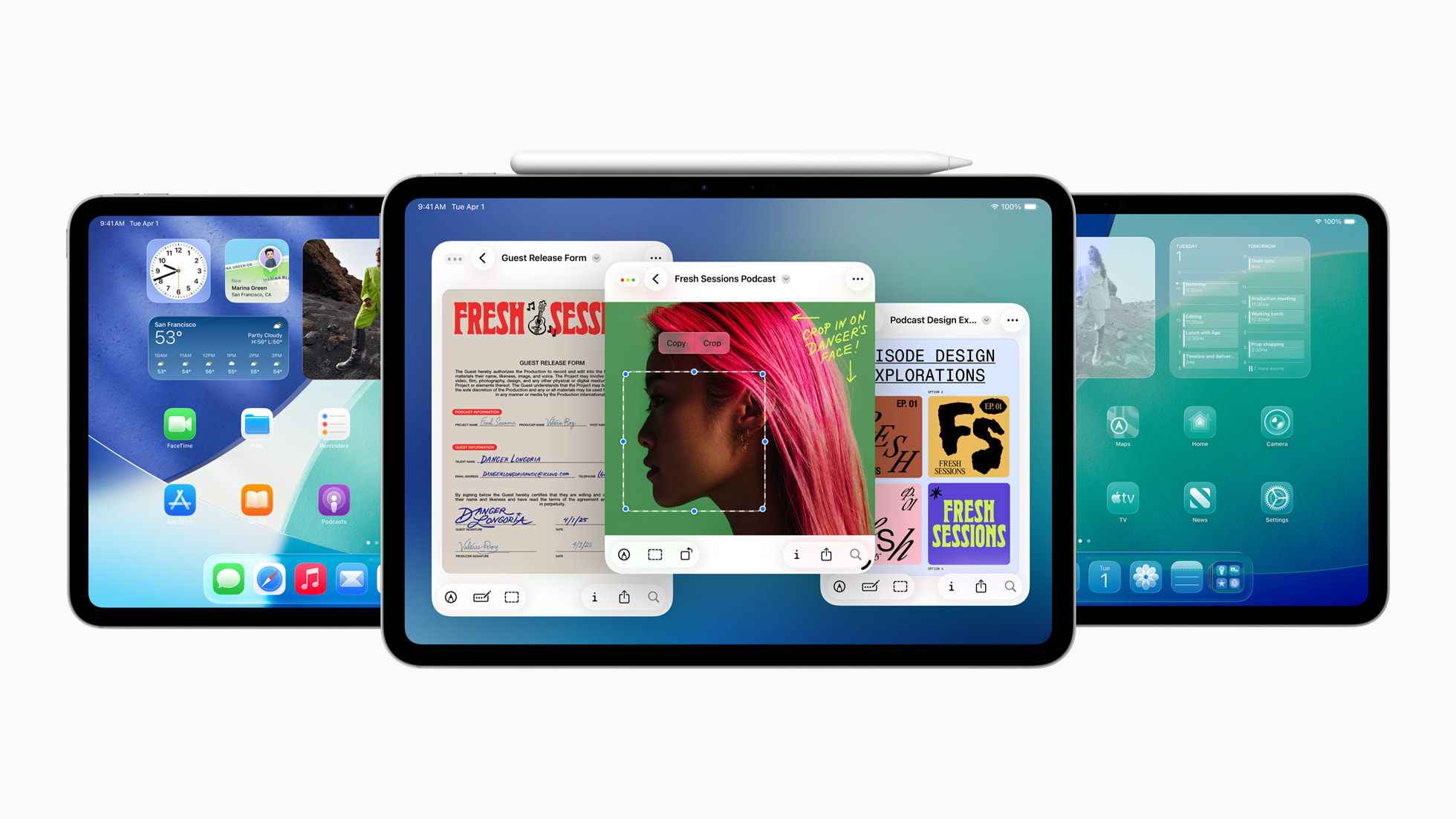
Apple is entering the final stages of testing for iOS 26.5, a point-release update that promises to refine the “Liquid Glass” aesthetic of the current operating system whereas introducing critical upgrades to messaging privacy and navigation utility. As the tech industry looks toward the mid-May release window, the update represents a strategic blend of infrastructure improvements and new user-facing capabilities.
For users currently running iOS 26, the upcoming 26.5 version is less about a visual revolution and more about filling the gaps in the ecosystem’s functionality. While the broader iOS 26 launch focused heavily on a sweeping design overhaul and the integration of “Apple Intelligence,” version 26.5 targets specific pain points in cross-platform communication and the personalization of Apple Maps.
According to recent developer announcements, Apple has confirmed that iOS 26.5 will be released sometime in May. With the Release Candidate (RC) having surfaced as recently as May 4, 2026, the general public is only days away from accessing these features. This update follows the April 22 release of version 26.4.2, maintaining Apple’s aggressive cadence of software refinement.
As a journalist with a background in software engineering, I view these mid-cycle updates as the “polishing phase.” While the major version number (26) sets the vision, the decimal updates (26.5) are where the software actually becomes stable and truly useful for the average consumer. In this case, the shift toward encrypted RCS and a more dynamic Maps experience suggests Apple is prioritizing interoperability and services growth.
The Push for Privacy: RCS End-to-End Encryption
One of the most anticipated technical milestones in iOS 26.5 is the implementation of end-to-end encryption for RCS (Rich Communication Services) messaging. While Apple began testing this capability in iOS 26.4, the feature did not ship with that version. The upcoming 26.5 update is expected to finally bring this security layer to the public.

RCS has long been the industry standard for Android-to-iOS communication, providing a “richer” experience than traditional SMS—including high-resolution media and read receipts. However, the lack of universal end-to-end encryption remained a significant security gap. By integrating this encryption, Apple ensures that messages sent via RCS are protected from interception, bringing the security level of cross-platform chats closer to that of iMessage.
This move is not merely a technical upgrade; it is a response to global regulatory pressures and consumer demand for consistent privacy standards. For the user, this means that the “green bubble” experience will no longer necessitate a compromise in security, effectively neutralizing one of the longest-standing criticisms of the iPhone’s messaging ecosystem.
Apple Maps: Monetization and Personalization
Beyond messaging, iOS 26.5 introduces a notable shift in how Apple Maps operates. The update lays the groundwork for the introduction of local advertisements, a move that signals Apple’s continued effort to monetize its services division.
Starting with iOS 26.5, users will encounter a notification stating that “Maps may show local ads based on your approximate location, current search terms, or view of the map while you search.” These advertisements are designed to be contextual, appearing as users explore their surroundings or search for specific businesses. This transition mirrors the evolution of Google Maps, moving the app from a pure utility tool to a discovery platform for local commerce.
Alongside the ad infrastructure, Apple is introducing a “Suggested Places” feature. This tool is designed to increase user engagement by displaying recommendations based on:
- Current local trends in the user’s vicinity.
- The user’s recent search history.
- Other behavioral data points to personalize the navigation experience.
By combining targeted ads with “Suggested Places,” Apple is attempting to create a more proactive map experience—one that suggests where to go before the user even begins a specific search. From a product perspective, this transforms the map from a passive directory into an active concierge.
Contextualizing the “Liquid Glass” Era
To understand why iOS 26.5 matters, one must look at the foundation laid by the initial iOS 26 release. This version introduced “Liquid Glass,” a design language that completely reimagines the iPhone’s visual interface. Unlike previous iterations that relied on flat design or subtle gradients, Liquid Glass emphasizes optical qualities, fluidity and refraction.
As detailed on the official Apple iOS page, this design is integrated across the Lock Screen, Home Screen, and Control Center. Key visual elements include:
- Dynamic Controls: System controls that reflect and refract their surroundings, morphing fluidly to keep the user’s focus on the content.
- Adaptive Lock Screens: Time and notifications that dynamically adapt to the wallpaper, ensuring the subject of the photo remains visible.
- 3D Effects: Photos that “come to life” with a 3D effect when the device is moved.
- Updated Iconography: A choice of light, dark, color-tinted, or a “stunning clear look” for app icons.
This aesthetic shift is paired with “Visual Intelligence,” a feature that allows users to search, ask questions, and take action based directly on the content visible on their screen. This integration of AI into the visual layer of the OS is what makes the “Liquid Glass” design more than just a coat of paint; it is a functional interface designed for an AI-first experience.
Breaking Down Communication Upgrades
While iOS 26.5 focuses on RCS, it builds upon the massive communication overhaul introduced in the base version of iOS 26. The most striking of these is “Live Translation,” which removes the friction of language barriers in real-time.
Live Translation is integrated across the three primary communication pillars: Messages, FaceTime, and the Phone app. One of the most impressive implementations is for AirPods users; when a conversation partner speaks a different language, their words are automatically translated and spoken aloud in a natural voice. This turns a pair of headphones into a real-time interpreter, a feature that is particularly useful for global travelers and international business professionals.
Apple has introduced new screening tools across Phone, FaceTime, and Messages to eliminate distractions, allowing users to better manage unwanted calls and notifications. In the Messages app specifically, the introduction of polls and customizable backgrounds has shifted the app from a simple texting tool to a more social, interactive hub.
What This Means for the Ecosystem
The release of iOS 26.5 is a signal that Apple is focusing on the “connective tissue” of its software. By addressing RCS encryption and enhancing Apple Maps, the company is improving how the iPhone interacts with the outside world—both with other operating systems and with physical local businesses.

For the power user, the value lies in the stability and the nuanced additions like “Suggested Places.” For the general user, the value is in the seamlessness: a phone that translates a foreign language in their ear and a messaging app that finally treats Android contacts with the same security priority as iMessage contacts.
The synergy between the “Liquid Glass” visuals and these functional updates creates a device that feels both futuristic and grounded. The fluidity of the interface matches the fluidity of the communication tools, creating a cohesive user experience that is the hallmark of Apple’s software strategy.
Key Takeaways: iOS 26.5
- Release Timeline: Expected for the general public in mid-May 2026, following the May 4 Release Candidate.
- Messaging Security: Final implementation of end-to-end encryption for RCS messaging, enhancing privacy for cross-platform chats.
- Maps Evolution: Introduction of local ads based on location and search terms, alongside a new “Suggested Places” recommendation engine.
- Design Foundation: Continues the “Liquid Glass” aesthetic, featuring refracting controls and 3D-effect wallpapers.
- AI Integration: Complements “Visual Intelligence” and “Live Translation” features introduced in the broader iOS 26 cycle.
The next confirmed checkpoint for iPhone users is the general public release of iOS 26.5, expected within the next two weeks. Users can monitor their update status via Settings > General > Software Update.
Are you looking forward to the RCS encryption update, or do you have concerns about the new ads in Apple Maps? Share your thoughts in the comments below.
Related reading