
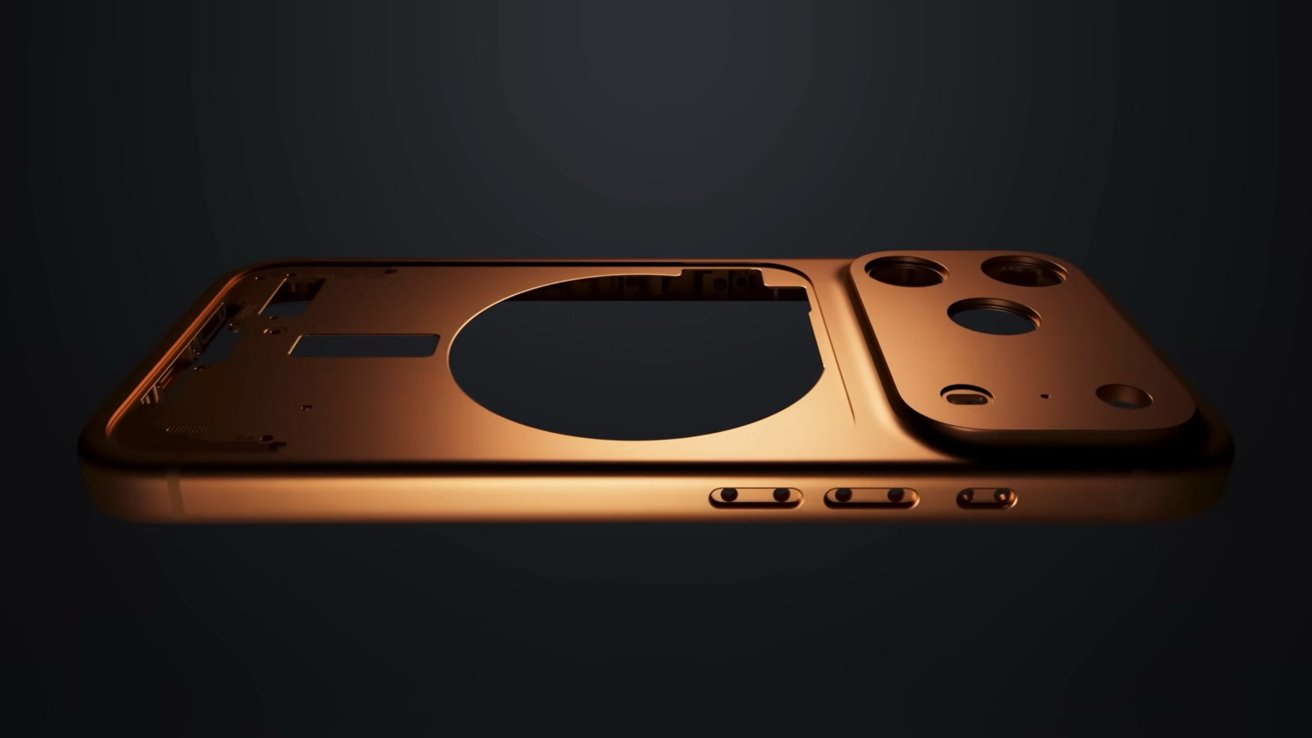
In the fast-paced world of consumer electronics, the line between genuine product insight and digital fabrication is increasingly thin. Recently, the technology community was abuzz over a purported “leak” regarding new color options for the upcoming iPhone 18. However, a closer examination of the visual evidence suggests that the images circulating online are not of an actual device component, but rather aftermarket camera lens protectors.
As an observer of the tech industry for nearly a decade, I’ve seen this pattern repeat itself often. When excitement for a future product build-up accelerates, unauthorized accounts—some established, some impersonators—often capitalize on the fervor by presenting third-party accessories as authentic hardware leaks. This particular instance serves as a stark reminder of the importance of vetting the sources behind the images we see in our feeds.
The Anatomy of a Digital Misdirection
The confusion stemmed from social media posts claiming to show internal components of a future iPhone model. Yet, the physical design of Apple’s modern flagship hardware makes such leaks unlikely in this form. As noted in industry analysis regarding the structural design of recent high-end models, such as the iPhone 17 Pro Max, Apple utilizes a unibody rear case architecture. This design language creates a specific, integrated plateau for the camera array that is distinct from the modular, disparate parts often shown in these types of viral “leak” images.
When analyzing these claims, it is helpful to look at the track record of the sources involved. The tech rumor ecosystem has long been populated by figures who gain initial credibility through accurate reporting, only to see their digital identity co-opted once they become inactive. In this case, the account responsible for the circulating images appears to be a copycat, leveraging the name of a formerly prominent leaker to gain traction for unverified and ultimately misleading information.
Why Rumor Credibility Matters
The proliferation of these images highlights a broader challenge in modern technology journalism: the tension between reporting on community speculation and maintaining factual integrity. While some publications have shared these images to bolster existing color rumors, they often include disclaimers about the potential for the account to be illegitimate. Nevertheless, the mere act of coverage can inadvertently lend an air of legitimacy to fabricated content.
For consumers and enthusiasts, the takeaway is clear: if a leak appears to show a component that contradicts the known unibody design of the device’s rear casing, it is almost certainly an accessory or a third-party modification. Apple’s manufacturing processes are notoriously guarded, and legitimate leaks rarely surface in the form of loose, painted lens covers posted to social media platforms.
Maintaining Perspective on Product Cycles
It is important to remember that Apple currently maintains a robust lineup, including the iPhone 17, iPhone 17 Pro, and the iPhone Air, all of which are designed to integrate seamlessly with the company’s hardware and software ecosystem. Information regarding future models, such as an iPhone 18, remains speculative until official announcements are made by Apple at their scheduled events. For those interested in the current capabilities of the iPhone, Apple provides comprehensive support and setup guidance through their official website, Apple.com.
As we look toward the future of mobile technology, the focus should remain on verified developments—advancements in processing power, battery efficiency, and software integration—rather than the cycle of unverified color swatches and accessory leaks. Staying informed through official channels and reputable, evidence-based reporting remains the best way to navigate the noise.
Key Takeaways for Tech Enthusiasts
- Verify the Source: Always check if a “leaker” has a consistent history of verified information or if they are a known copycat account.
- Assess Physical Plausibility: Compare leak images against the known structural design of the device, such as the unibody rear case construction.
- Differentiate Accessories from Hardware: Be skeptical of images showing detachable components like lens covers, which are often aftermarket products rather than internal hardware.
- Prioritize Official Channels: For accurate information on product features and availability, rely on official announcements from the manufacturer.
We will continue to track the landscape of consumer electronics and provide updates as verified information becomes available. In the meantime, I encourage you to share your thoughts on how you distinguish between genuine leaks and digital noise in the comments section below.