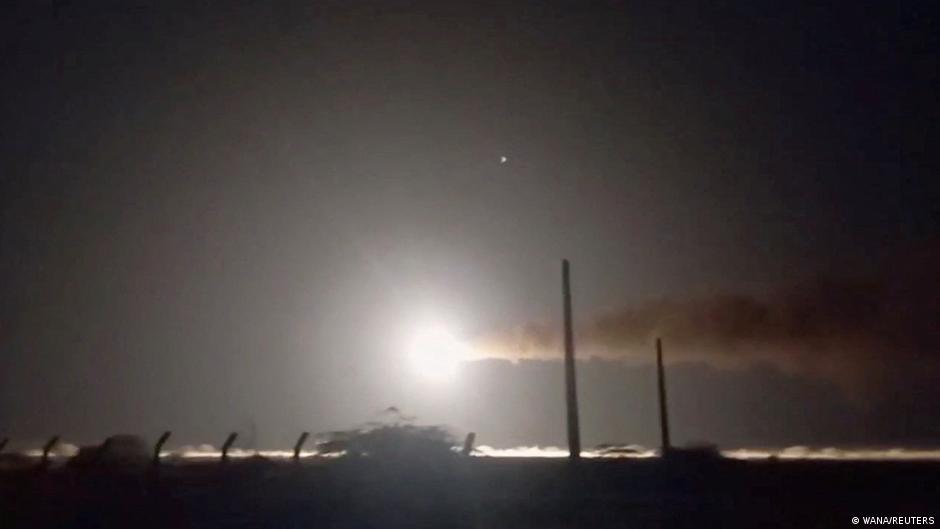
As a journalist who has spent over 16 years tracking the complexities of international security, I have learned that the most volatile situations are often those where communication channels between superpowers are strained to the breaking point. Recent reports circulating in global media have alleged a significant escalation in the Middle East, specifically involving claims that Iranian military forces launched missile strikes targeting United States military installations in Kuwait and Bahrain. These reports, which have sparked intense scrutiny across geopolitical circles, are currently being evaluated by regional analysts and defense observers to determine the extent of the alleged engagement and its implications for Gulf security.
The situation remains fluid. While various outlets have cited military sources regarding these incidents, the complexity of verifying real-time military maneuvers in the Persian Gulf necessitates a cautious approach to the information currently available. At the heart of these reports is a focus on the Strait of Hormuz, a critical maritime chokepoint through which a significant portion of the world’s oil supply passes. The stability of this region is a primary concern for international markets and global energy security, as any perceived threat to naval operations or regional bases typically triggers immediate diplomatic and military responses from the international community.
Navigating the Reports: The Current Situation
The core of the reported escalation involves multiple points of contact. According to various accounts, U.S. Military assets are said to have engaged with Iranian drones in the vicinity of the Strait of Hormuz, alongside subsequent reports of retaliatory or defensive actions against radar infrastructure on the Iranian islands of Qeshm and Goruk. These reports suggest a multi-front friction point, where naval and aerial security protocols are being tested against regional military activity.
military departments, including the U.S. Central Command, frequently provide updates on regional security through official channels. For the most accurate and verified information regarding U.S. Military posture in the Middle East, readers should monitor the official U.S. Central Command newsroom. Official statements serve as the definitive record of engagement, distinguishing confirmed military actions from speculative reports that often circulate during periods of heightened tension.
Geopolitical Context and Gulf Security
The relationship between the United States and Iran has long been defined by cycles of diplomatic standoff and military posturing. Kuwait and Bahrain host significant U.S. Military personnel and equipment, functioning as strategic hubs for regional stability operations. Any claim of a direct strike on these installations is treated with the highest level of gravity by the Department of Defense, as it would represent a significant departure from the typical “gray-zone” tactics often observed in the region, such as proxy conflicts or maritime harassment.

Understanding the significance of these locations requires a look at the U.S. Security architecture. The U.S. Maintains a robust presence in the Gulf to ensure the freedom of navigation and to support regional partners. Detailed information regarding the U.S. Government’s structure, its international departments, and the roles of various federal agencies can be found via official government resources, which provide the foundational context for how these foreign policy decisions are coordinated and communicated.
What Happens Next: Monitoring for Official Updates
In the coming days, the international community will look for official briefings from the Pentagon and the U.S. Department of State. These briefings are the only reliable mechanism for confirming whether the reported missile launches and drone engagements were part of a coordinated attack or a localized misunderstanding in a crowded theater of operations. Journalists and analysts alike are waiting for satellite imagery, radar telemetry, and official incident reports to verify the claims that have dominated the news cycle.
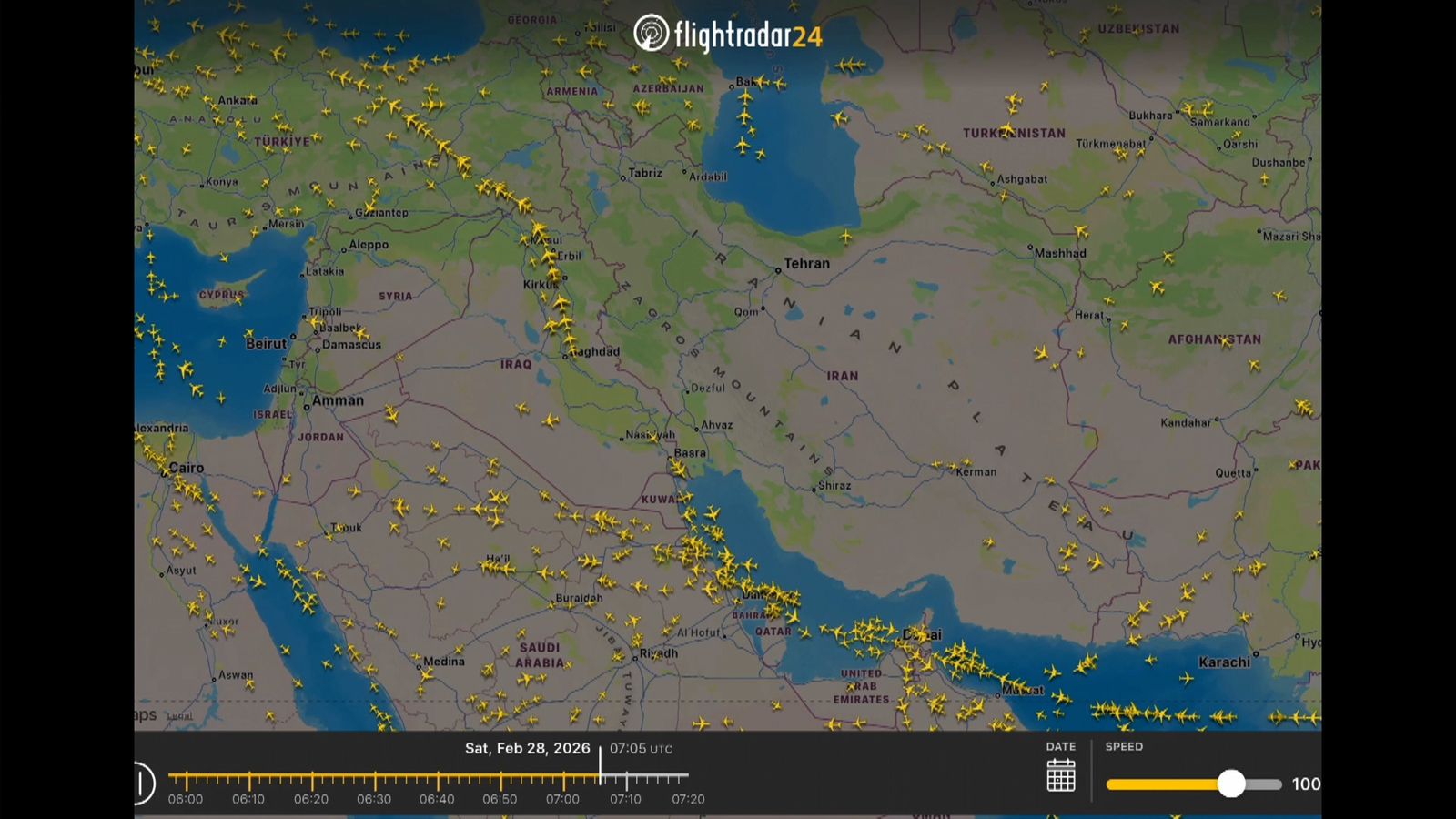
As we continue to monitor this developing story, I encourage our readers to rely on verified, primary-source information. The volatility of the Middle East requires a commitment to accuracy that avoids the pitfalls of unconfirmed reports. We will provide further analysis as verified data becomes available from official military and diplomatic briefings. If you have insights or perspectives on this situation, I welcome you to share your thoughts in the comments section below, as we continue to track the developments of this critical international event.
For those seeking to understand the broader legal and historical framework of U.S. Foreign policy, the U.S. Department of State remains the primary venue for tracking policy shifts, official condemnations, and diplomatic communications regarding the ongoing situation in the Persian Gulf.