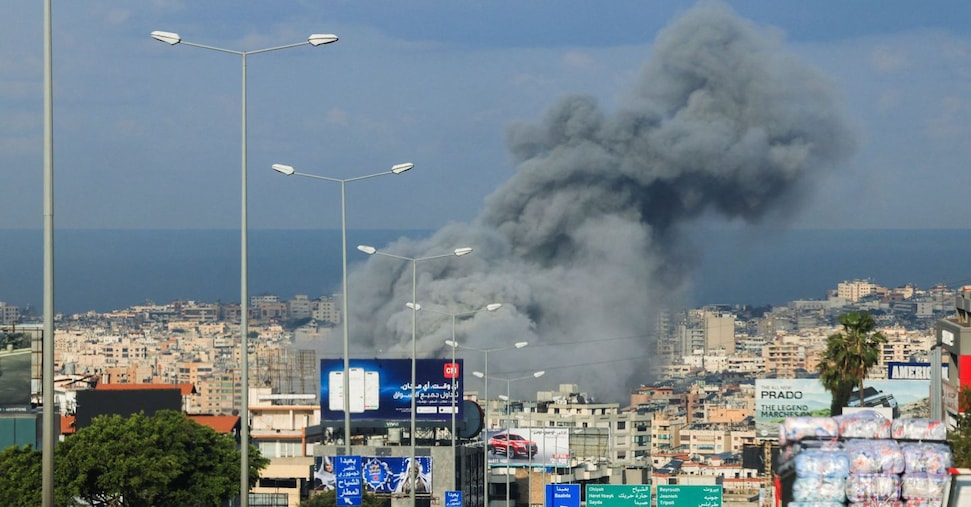
Escalating Tensions in the Middle East: US and Israel Launch Attacks on Iran, Global Markets React
The geopolitical landscape shifted dramatically on Wednesday, March 4, 2026, as the United States and Israel initiated coordinated attacks on Iranian soil. The strikes, confirmed by multiple sources, represent a significant escalation in the long-simmering conflict between Iran and its regional adversaries, and have already triggered a wave of uncertainty across global markets. The immediate trigger for the attacks remains contested, but follows months of heightened rhetoric and proxy conflicts. The situation is rapidly evolving, with Iran vowing retaliation and international calls for de-escalation growing increasingly urgent. The attacks come amidst existing concerns about Iran’s nuclear program and its support for regional militant groups, adding layers of complexity to an already volatile situation.
The attacks have prompted immediate responses from world leaders. Spanish Prime Minister Pedro Sanchez stated his country would not be complicit in a war driven by fear of retaliation, emphasizing Spain’s confidence in its economic and institutional strength. This statement followed criticism from US President Donald Trump, who labeled Spain a “terrible” ally and threatened to sever trade relations, as reported by Il Sole 24 Ore. Meanwhile, Iranian Foreign Minister Abbas Araghchi accused Trump of betraying diplomacy and the American people, lamenting the reduction of complex nuclear negotiations to “simple transactions” and “big lies,” as he posted on X (formerly Twitter). The international community is now grappling with the potential for a wider regional conflict and the economic repercussions of instability in the Middle East.
Israeli Stance and Potential Targets
According to reports, the Israeli Defense Ministry has issued a stark warning: any leader appointed by the Iranian regime to continue pursuing plans to destroy Israel, threaten the United States, destabilize the region, or oppress the Iranian people will be considered a legitimate target for elimination. This aggressive stance signals a determination to dismantle what Israel perceives as an existential threat. The specific targets of the initial attacks remain largely undisclosed, but reports suggest infrastructure linked to Iran’s Islamic Revolutionary Guard Corps (Pasdaran) were primary objectives. The Pasdaran, a powerful military and political force within Iran, has been accused of supporting terrorist groups and destabilizing activities throughout the Middle East. Controlling the Strait of Hormuz, a vital shipping lane for global oil supplies, is a key strategic objective for the Pasdaran, and any disruption to this waterway could have severe economic consequences.
The threat to eliminate future Iranian leaders raises serious concerns about potential violations of international law and the escalation of the conflict. Such a policy could lead to a cycle of retaliation and further destabilize the region. The international community is urging restraint and a return to diplomatic solutions, but the prospects for meaningful negotiations appear increasingly dim given the current climate of hostility.
US Involvement and Trump’s Rhetoric
The United States’ role in the attacks remains a subject of intense scrutiny. Even as officials have confirmed US involvement, the extent of its participation has not been fully disclosed. President Trump’s rhetoric has been particularly bellicose, using terms like “annihilation” and “elimination” when discussing the situation in Iran, as reported by Al Jazeera. This aggressive language has fueled fears of a prolonged and devastating conflict. Three American troops have already been killed in the conflict, and Trump has suggested that more casualties are “likely,” according to NPR. This news underscores the direct human cost of the escalating tensions and the potential for further American involvement.
The involvement of the US adds another layer of complexity to the situation, given its existing military commitments and alliances in the region. The potential for miscalculation and unintended consequences is high, and the risk of a wider regional war is growing with each passing hour. The economic implications of a prolonged conflict are also significant, with oil prices already surging and global markets experiencing increased volatility.
Russia’s Position and Potential Benefits
Amidst the escalating conflict, Russia appears to be positioning itself to benefit from the instability. According to Antonella Scott of Il Sole 24 Ore, President Vladimir Putin has expressed condolences to Iranian President Masoud Pezeshkian following the death of Ayatollah Ali Khamenei, framing it as a “cynical violation” of international norms. Simultaneously, Putin has engaged in a series of phone calls with regional leaders, including those from the United Arab Emirates, Qatar, Saudi Arabia, and Bahrain, potentially seeking to mitigate Russia’s isolation and strengthen its influence in the region. The loss of key allies like Syria’s Bashar Assad and Venezuela’s Nicolas Maduro may be partially offset by increased engagement with Middle Eastern powers.
Russia’s strategic interests in the region are multifaceted, including maintaining access to energy resources, expanding its military presence, and challenging the dominance of the United States. The current crisis provides Russia with an opportunity to assert its influence and potentially broker a resolution that aligns with its geopolitical objectives. However, the risks of escalation and unintended consequences remain significant, even for Russia.
Economic Fallout and Market Reactions
The attacks on Iran have sent shockwaves through global financial markets. Oil prices have surged, reflecting concerns about potential disruptions to supply from the Middle East, a region critical to global energy markets. Stock markets around the world have experienced significant declines, as investors seek safe-haven assets. The uncertainty surrounding the conflict is weighing heavily on investor sentiment, and the potential for a prolonged period of instability is raising fears of a global recession. The impact on supply chains is also a major concern, as the region is a key transit route for goods from Asia to Europe.
The economic consequences of the conflict are likely to be far-reaching and could exacerbate existing inflationary pressures. Central banks around the world are closely monitoring the situation and preparing to take appropriate measures to mitigate the economic fallout. However, the effectiveness of these measures will depend on the duration and intensity of the conflict.
Looking Ahead: De-escalation Efforts and Potential Scenarios
The immediate priority is to de-escalate the conflict and prevent a wider regional war. International efforts to mediate a ceasefire are underway, but the prospects for success remain uncertain. The key challenge is to find a way to address the underlying grievances and concerns of all parties involved, while also ensuring the security of the region. The future of Iran’s nuclear program remains a central issue, as does its support for regional militant groups. A comprehensive and sustainable solution will require a long-term commitment to diplomacy and a willingness to compromise on all sides.
The next critical development to watch will be Iran’s response to the attacks. Any retaliatory action could trigger a further escalation of the conflict, while restraint could open the door to negotiations. The international community is urging Iran to exercise caution and to avoid any actions that could further destabilize the region. The coming days and weeks will be crucial in determining the trajectory of the conflict and its impact on the world.
Key Takeaways:
- The US and Israel have launched coordinated attacks on Iran, escalating tensions in the Middle East.
- President Trump’s rhetoric has been particularly aggressive, raising fears of a prolonged conflict.
- Russia appears to be positioning itself to benefit from the instability.
- Global financial markets have reacted negatively to the attacks, with oil prices surging and stock markets declining.
- The immediate priority is to de-escalate the conflict and prevent a wider regional war.
The situation remains highly fluid and is subject to change. We will continue to provide updates as they grow available. Please share your thoughts and perspectives in the comments below.
Keep reading
- US Giant’s Revenue Jumps 20% to Exceed $200 Billion
- Beyond the Court: How WNBA Stars Are Building Generational Wealth Through Financial Literacy
- Spain Deploys Military to Ceuta After Massive Migrant Surge From Morocco (archyworldys.com)
- Europe Wildfires: Latest Updates and Impact Across France, Greece, and Spain (archynewsy.com)