
Iran Executes Woman Convicted of Husband’s Murder After Giving Birth in Prison
TEHRAN, Iran — Iran’s judicial system has executed a woman convicted of murdering her husband, a case that has drawn international condemnation and renewed scrutiny of the country’s treatment of women, particularly those subjected to child marriage. According to verified reports, the woman, identified as Hanifeh Avandi, was hanged on May 1, 2026, at Tabriz Central Prison, despite having given birth to a child while detained. The execution occurred less than a year after Iran’s Supreme Leader, Ayatollah Ali Khamenei, signed a decree temporarily halting executions for women with children under 18, a measure that was widely seen as a response to mounting global pressure.
The case of Hanifeh Avandi has become a focal point in debates about Iran’s legal system, women’s rights, and the persistent issue of child marriage in the country. Avandi was reportedly forced into marriage at the age of 17 and later convicted of murdering her husband, a crime she allegedly committed after enduring years of abuse. Human rights organizations have described her case as emblematic of broader systemic failures in protecting vulnerable women and girls in Iran.
While the Iranian government has not provided detailed justifications for the execution, reports indicate that Avandi’s legal team had appealed for clemency, citing her pregnancy and the circumstances of her marriage. The execution has prompted outrage from international human rights groups, including Amnesty International and Human Rights Watch, which have called for an immediate moratorium on executions of women in Iran. The case also comes amid heightened tensions between Iran and the international community, particularly the United States, over regional conflicts and nuclear negotiations.
Background: Child Marriage and Women’s Rights in Iran
Iran’s legal system has long faced criticism for its handling of cases involving women, particularly those related to domestic violence and child marriage. According to the United Nations, Iran has one of the highest rates of child marriage in the Middle East, with girls as young as 13 legally permitted to marry under certain conditions. While the legal age for marriage was raised to 13 in 2022, activists argue that enforcement remains inconsistent, and many girls are married off even younger in rural and conservative regions.
In Avandi’s case, reports indicate she was subjected to forced marriage at the age of 17, a practice that human rights organizations describe as a violation of international law. The Iranian Civil Code allows marriage for girls as young as 9 with judicial approval, though such cases are rare. However, the practice persists in some communities, often as a result of economic hardship or social pressure. The United Nations Population Fund has estimated that nearly 16% of girls in Iran are married before the age of 18, with many facing severe consequences, including early pregnancy, limited education, and exposure to domestic abuse.
The Iranian government has defended its legal framework, arguing that it adheres to Islamic principles and local customs. However, international observers, including the UN Committee on the Elimination of Discrimination Against Women, have repeatedly urged Iran to align its laws with global human rights standards, particularly regarding the protection of girls and women from early marriage and gender-based violence.
The Legal Process and Controversies
Hanifeh Avandi’s case unfolded against the backdrop of Iran’s complex legal system, which operates under both secular and religious laws. Her conviction for murder was reportedly based on evidence that she had killed her husband after enduring years of physical and emotional abuse. However, legal experts and human rights activists have questioned whether her trial was fair, given the circumstances of her marriage and the lack of adequate legal representation for vulnerable women in Iran’s courts.
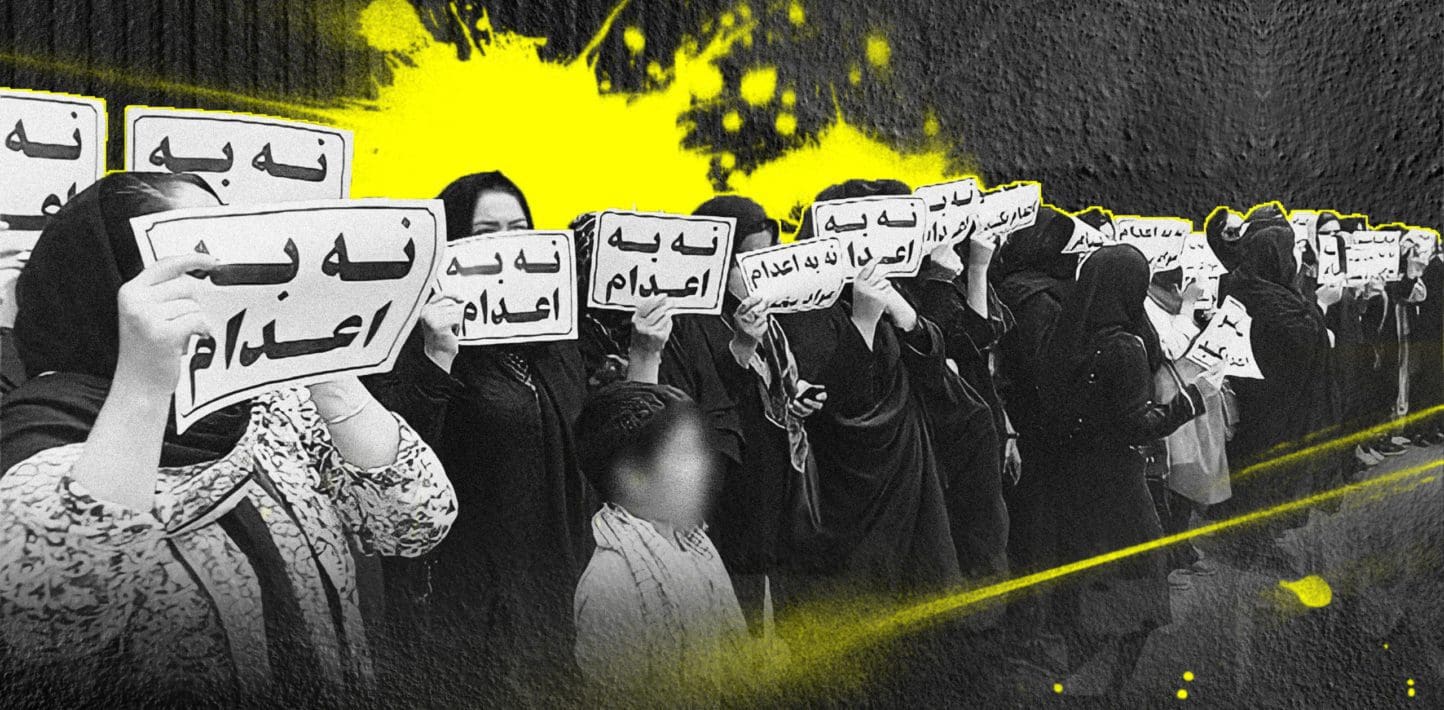
In 2025, Iran’s Supreme Leader, Ayatollah Ali Khamenei, issued a decree temporarily halting the execution of women with children under the age of 18. This measure was seen as a response to international pressure, particularly following the execution of another woman, Mahsa Amini, in 2022, which sparked widespread protests across Iran. However, the decree did not apply retroactively, meaning women like Avandi who were already sentenced before the moratorium could still face execution. Legal scholars have criticized this loophole, arguing that it fails to address the systemic issues that lead to such cases in the first place.
Avandi’s execution also raises questions about the role of Iran’s judiciary in cases involving domestic violence. While Iran’s Penal Code includes provisions against domestic abuse, enforcement remains inconsistent, and many women who report abuse face additional legal repercussions, including charges of “adultery” or “immorality” if they leave abusive marriages. This creates a climate of fear and silence, where victims of abuse are often reluctant to seek justice.
International Reactions and Human Rights Concerns
The execution of Hanifeh Avandi has drawn sharp criticism from human rights organizations and governments worldwide. Amnesty International issued a statement condemning the execution as a “gross violation of women’s rights” and called for an immediate moratorium on all executions in Iran. The organization highlighted that Avandi’s case was not an isolated incident but part of a broader pattern of injustice against women in the country.
In a separate statement, the UN Special Rapporteur on the situation of human rights in Iran, Javaid Rehman, expressed deep concern over the execution, stating that it “undermines Iran’s obligations under international human rights law.” Rehman emphasized that states have a duty to protect vulnerable groups, including women and children, and that executions in such cases are incompatible with these obligations. The UN has repeatedly urged Iran to ratify the International Covenant on Civil and Political Rights (ICCPR), which would require the abolition of the death penalty.
Meanwhile, the United States and European Union have also voiced their concerns. The U.S. State Department issued a statement condemning the execution and calling for Iran to “respect human rights and the dignity of all its citizens.” The EU’s foreign policy chief has similarly urged Iran to engage in dialogue with international human rights bodies to address these systemic issues.
What Happens Next?
As of May 26, 2026, there are no immediate indications that Iran’s government will reverse its stance on executions or amend its laws regarding child marriage and domestic violence. However, the case of Hanifeh Avandi has reignited global calls for action. Human rights organizations are urging the international community to:
- Impose targeted sanctions on Iranian officials responsible for human rights abuses.
- Support local women’s rights groups operating in Iran to provide legal aid and protection to vulnerable women.
- Push for Iran to ratify international human rights treaties, including the ICCPR.
- Increase diplomatic pressure to secure a temporary halt on executions of women.
In Iran, activists continue to document cases of abuse and advocate for legal reforms. While the government has shown limited willingness to engage with international criticism, the execution of Avandi may serve as a catalyst for further debate within the country. Legal experts suggest that the case could also influence future judgments, particularly in cases involving women who have been subjected to child marriage or domestic violence.
Key Takeaways
- Execution of Hanifeh Avandi: Iran executed a woman convicted of murdering her husband after she gave birth in prison, despite a temporary moratorium on executing mothers of young children.
- Child Marriage in Iran: Iran allows marriage for girls as young as 9 with judicial approval, contributing to high rates of child marriage and vulnerability to abuse.
- Legal Loopholes: Iran’s decree halting executions of mothers with children under 18 did not apply retroactively, leaving previously sentenced women at risk.
- International Condemnation: Human rights groups, including Amnesty International and the UN, have condemned the execution as a violation of women’s rights.
- Broader Systemic Issues: The case highlights ongoing challenges in Iran’s legal system, including inconsistent enforcement of domestic violence laws and limited protections for women.
- Global Calls for Action: The international community is urging sanctions, legal reforms, and diplomatic pressure to address human rights abuses in Iran.
How to Stay Informed
For updates on human rights developments in Iran, follow these authoritative sources:
- Amnesty International – Regular reports on executions and women’s rights in Iran.
- UN Office of the High Commissioner for Human Rights – Statements from the Special Rapporteur on Iran.
- U.S. Department of State – Official statements on human rights and Iran.
- Human Rights Watch – Analysis of legal and judicial issues in Iran.
This story will continue to develop as international reactions unfold and as Iranian authorities respond to the growing pressure. We encourage readers to share their thoughts and insights in the comments below, and to follow World Today Journal for further updates on this critical issue.
Keep reading