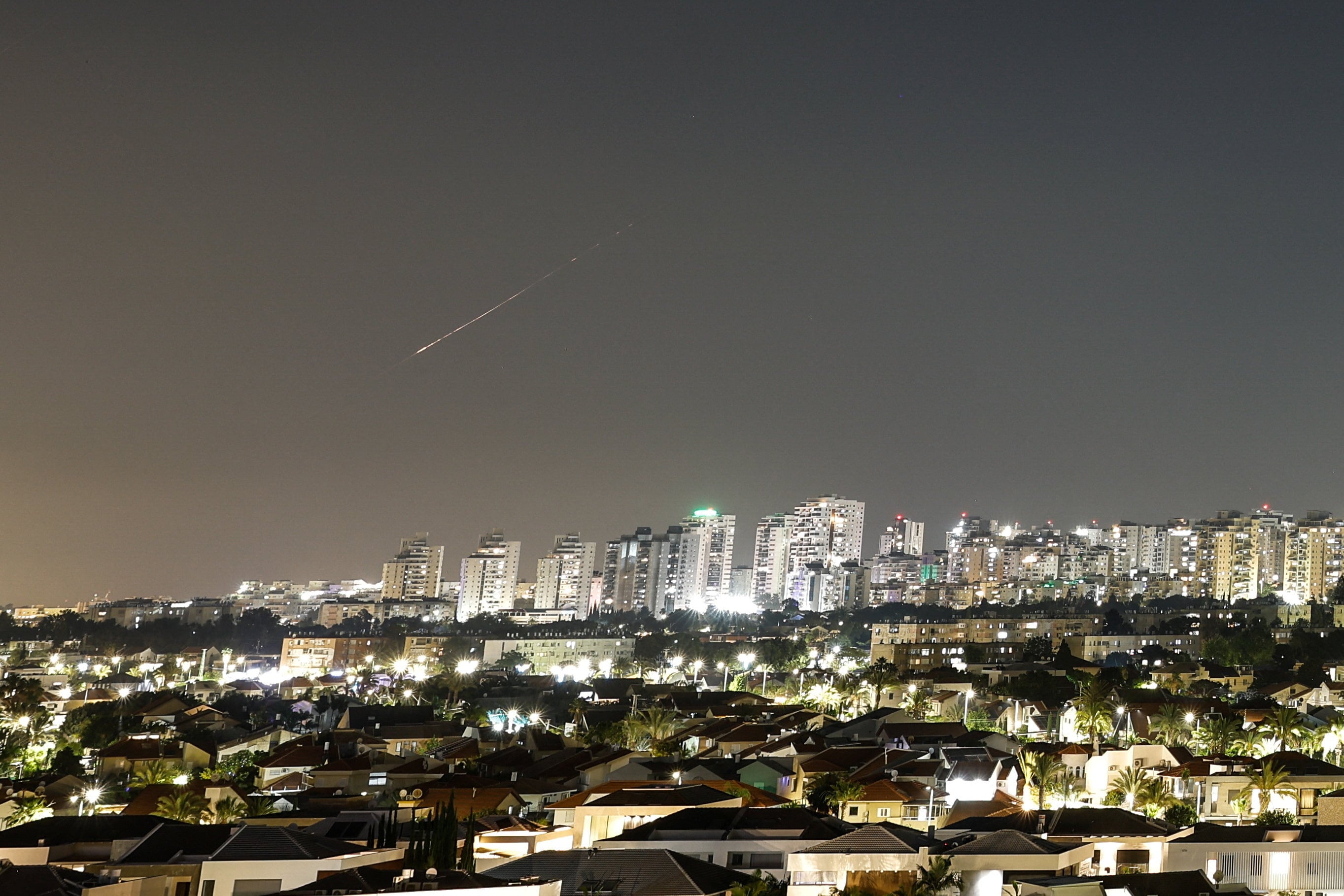
Iran launched a series of missiles toward northern Israel on Sunday, marking the first such direct engagement since the ceasefire established in April. The military action followed a strike by Israeli forces on Dahiye, a suburb of Beirut known for its significant Shia population, which Tehran had previously identified as a critical red line. While the Israeli military reported the successful interception of the incoming projectiles, the incident has heightened regional tensions, prompting security alerts across northern communities.
According to reports, there have been no immediate casualties resulting from the missile fire. Iranian officials have characterized the operation as a measured warning rather than an escalation toward full-scale conflict, declaring the retaliatory phase concluded. As a precautionary measure against potential further military developments, Iran has moved to close its airspace.
The Shift in Regional Security Dynamics
The firing of missiles into northern Israel represents a notable departure from the relative stability maintained since the April ceasefire. By targeting the Dahiye suburb of Beirut, the Israeli military engaged an area that Iranian leadership had publicly designated as a threshold for direct retaliation. The subsequent Iranian response—a salvo of roughly a dozen missiles—triggered air raid sirens across multiple northern Israeli towns, forcing residents to seek shelter.

The Israeli Defense Forces (IDF) have maintained that their air defense systems functioned as intended, neutralizing the threat posed by the incoming projectiles. Despite the intensity of the exchange, official channels have confirmed that no injuries were reported on the ground. This outcome has been framed by analysts as a delicate attempt by both parties to demonstrate resolve without triggering a broader, uncontrollable regional war.
Tehran’s Strategic Calculations
In the aftermath of the strikes, Iranian authorities described the action as a “warning” intended to restore a sense of deterrence. By limiting the scope of the attack, Tehran appears to be signaling a desire to avoid a return to the direct hostilities seen earlier this year. However, the decision to restrict civil aviation and close Iranian airspace underscores the uncertainty surrounding Israel’s potential counter-response.
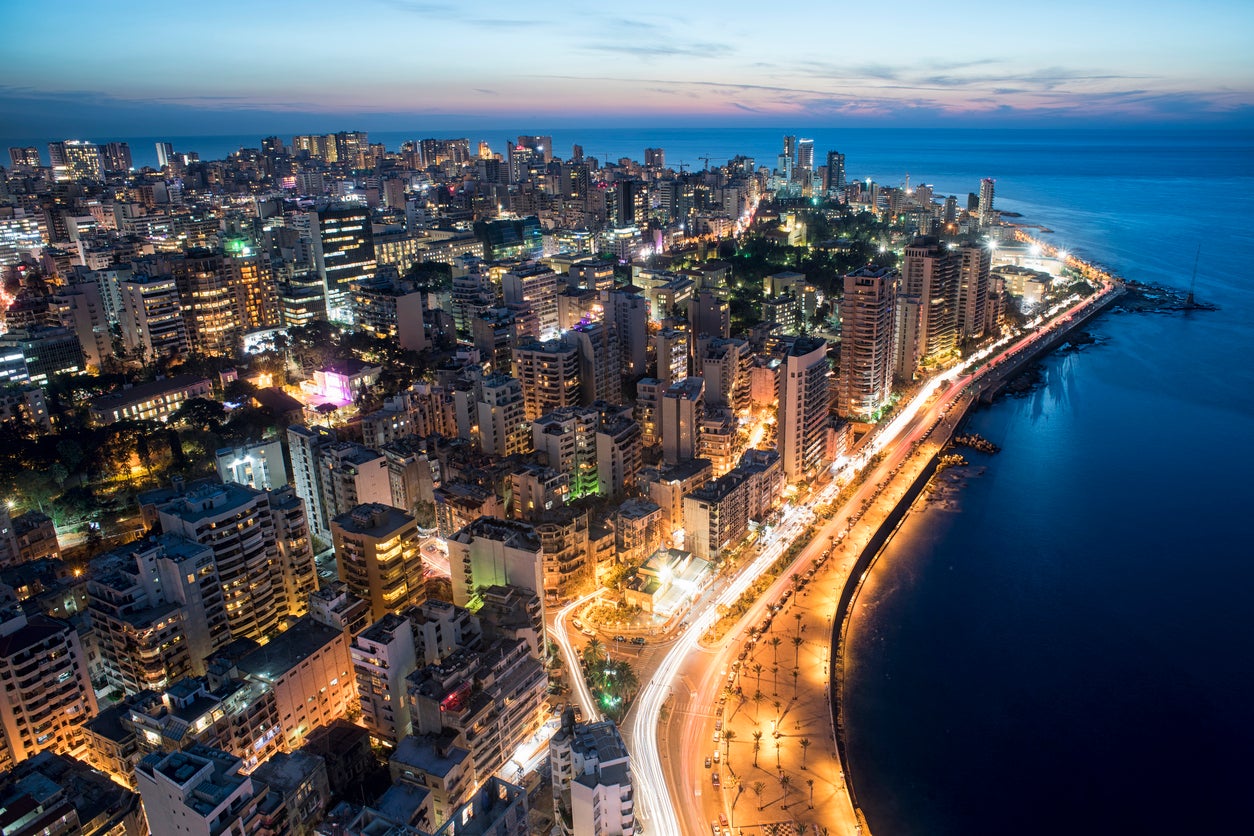
The situation remains fluid. While diplomatic backchannels are often utilized to manage such escalations, the public rhetoric from both sides remains strained. The closure of the airspace serves as a defensive posture, intended to protect commercial assets while the leadership in Tehran assesses the geopolitical fallout of the day’s events.
What Happens Next
As of Sunday evening, the immediate focus remains on whether the current cycle of violence will subside or escalate into a sustained confrontation. International observers are closely monitoring the border regions for any signs of secondary barrages or retaliatory air operations. The effectiveness of the April ceasefire had been a cornerstone of regional stability, and its violation this weekend poses significant challenges for ongoing de-escalation efforts.
For residents in the affected areas, the sound of sirens serves as a stark reminder of the fragile security environment. Official updates regarding border safety and flight restrictions will be provided by local authorities as the situation develops. We encourage our readers to check official government advisories for the most accurate information regarding travel and safety protocols in the region. Please share your thoughts or questions in the comments section below as we continue to cover these developing events.
Keep reading