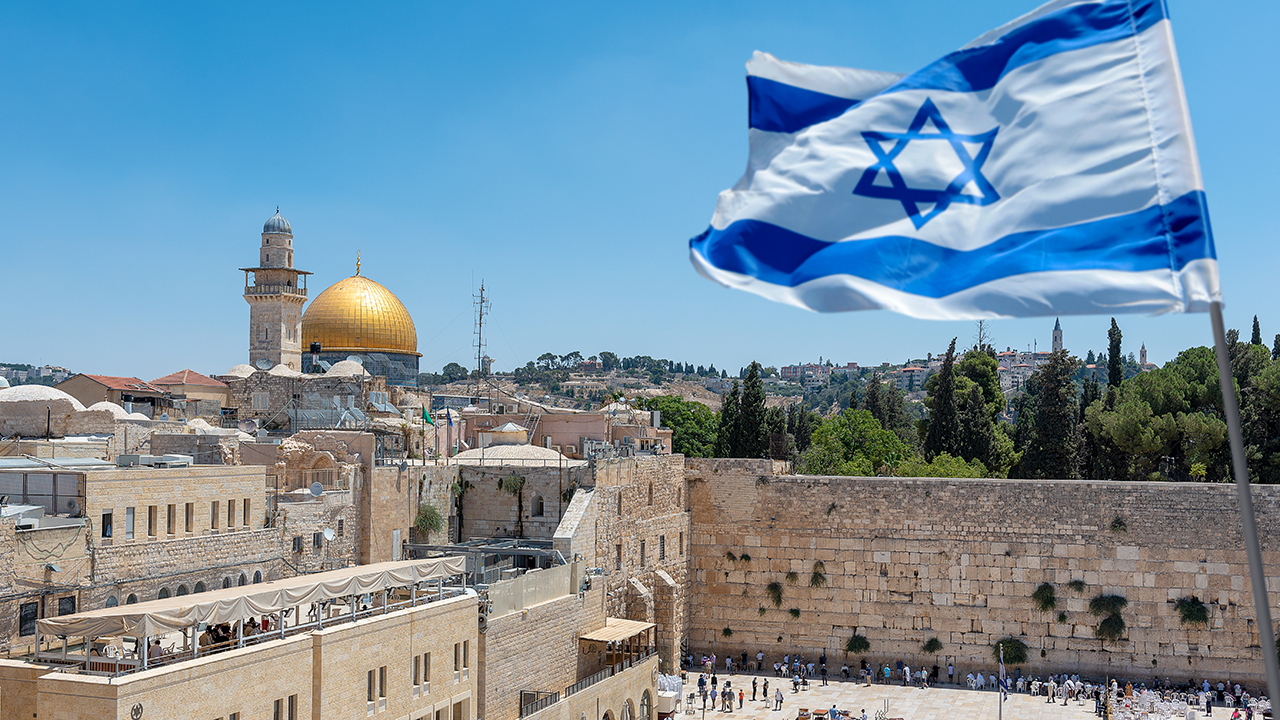
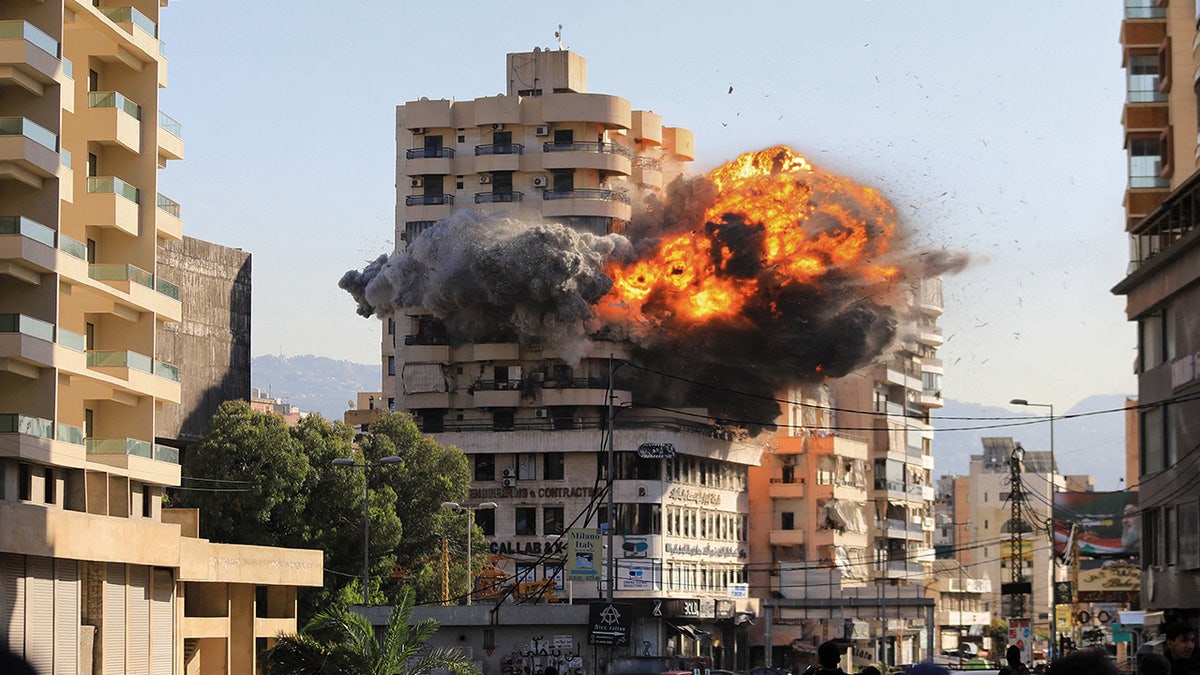
As of June 7, 2026, the security situation in the Middle East has entered a heightened phase of volatility, characterized by an exchange of fire between Iranian forces and Israel. This escalation follows recent Israeli strikes in Beirut, marking a significant intensification in regional hostilities. According to official reports, the conflict has prompted widespread international concern regarding the potential for further military engagement across the Levant.
The current developments are unfolding in a region with a long history of geopolitical tension. For context, the modern framework of the Israeli-Palestinian conflict has been shaped by decades of diplomatic efforts, including the 1993 Oslo I Accord, which established the Palestinian National Authority. Understanding the historical continuity of this region—from the early civilizations of the Southern Levant to the complexities of the modern era—provides essential background for the current security challenges being observed today.
Regional Escalation and Military Activity
The recent bombardment represents the first time Iran has launched missiles at Israel since the conclusion of a ceasefire period in April 2026. This action was explicitly framed by Iranian officials as a response to Israeli military operations in Beirut. The sudden shift in military posture has disrupted the relative calm that characterized the preceding weeks, forcing local populations in affected areas to contend with renewed security threats.
The Israel Defense Forces (IDF) have maintained a high state of alert, conducting operations across multiple fronts. These include ongoing strikes in Gaza and targeted actions near the Lebanon border. Recent reports indicate that the IDF has identified and engaged with infrastructure networks, such as command tunnels in southern Lebanon, while simultaneously addressing security incidents within the West Bank. These military maneuvers are part of an broader, ongoing effort to neutralize threats from organizations such as Hezbollah.
Internal Security and Domestic Challenges
Beyond the external military exchanges, Israel is currently navigating a series of complex domestic issues. Recent reports from the region highlight concerns regarding public safety and institutional stability. For instance, there have been documented instances of civil unrest, including protests involving Haredi demonstrators at checkpoints in Jerusalem and reports of settler-related incidents in the West Bank. These domestic pressures are occurring against a backdrop of ongoing judicial and political scrutiny, such as investigations into governmental ministries and high-level rulings regarding the cooperation between the Israeli High Court and executive officials.
The economic impact of the conflict is also becoming increasingly visible. For the first time since 2022, the Bank of Israel has engaged in the purchase of foreign currency, a move designed to stabilize the shekel following significant market fluctuations. This intervention underscores the strain that prolonged regional instability places on national infrastructure and the broader economy, which is already managing the logistical challenges of supporting war-wounded citizens and addressing sanitation crises in displaced-person tent camps.
The Diplomatic Landscape
Diplomatic efforts to mitigate the violence remain active but fragile. International observers are closely monitoring the situation as Egypt hosts new rounds of talks aimed at reaching a ceasefire in Gaza. Despite these efforts, the intensity of the conflict remains high, with reports of casualties resulting from strikes in Gaza and isolated terror-related shootings in central Israel. The complexity of these negotiations is compounded by the involvement of various regional actors, each with competing interests regarding the future of Jerusalem and the security of the broader Middle East.
Global powers continue to assess their roles in these developments. Recent statements from international leaders suggest that while there is an expressed interest in reaching agreements—such as the potential for nuclear-related deals with Iran—the terms remain a point of significant contention. The path forward remains uncertain, with the immediate priority for regional governments focused on containment and the protection of civilian populations.
Readers are encouraged to follow official updates from government sources and international monitoring bodies for the most accurate information as the situation develops. We will continue to provide updates as new information becomes available. Please share your thoughts or questions in the comments section below.
Worth a look
- Bulgarian Political Leaders Debate Presidential Candidates and Rumen Radev’s Influence Ahead of Elections
- Real-Time Trading Quotes for Dorado Gaming vs. Conviction in League of Legends on Jul. 30, 2026 | Predict Winner & Stats
- Israel Raids West Bank, Detains Dozens of Palestinians After Assault on Town of Tell (time.news)