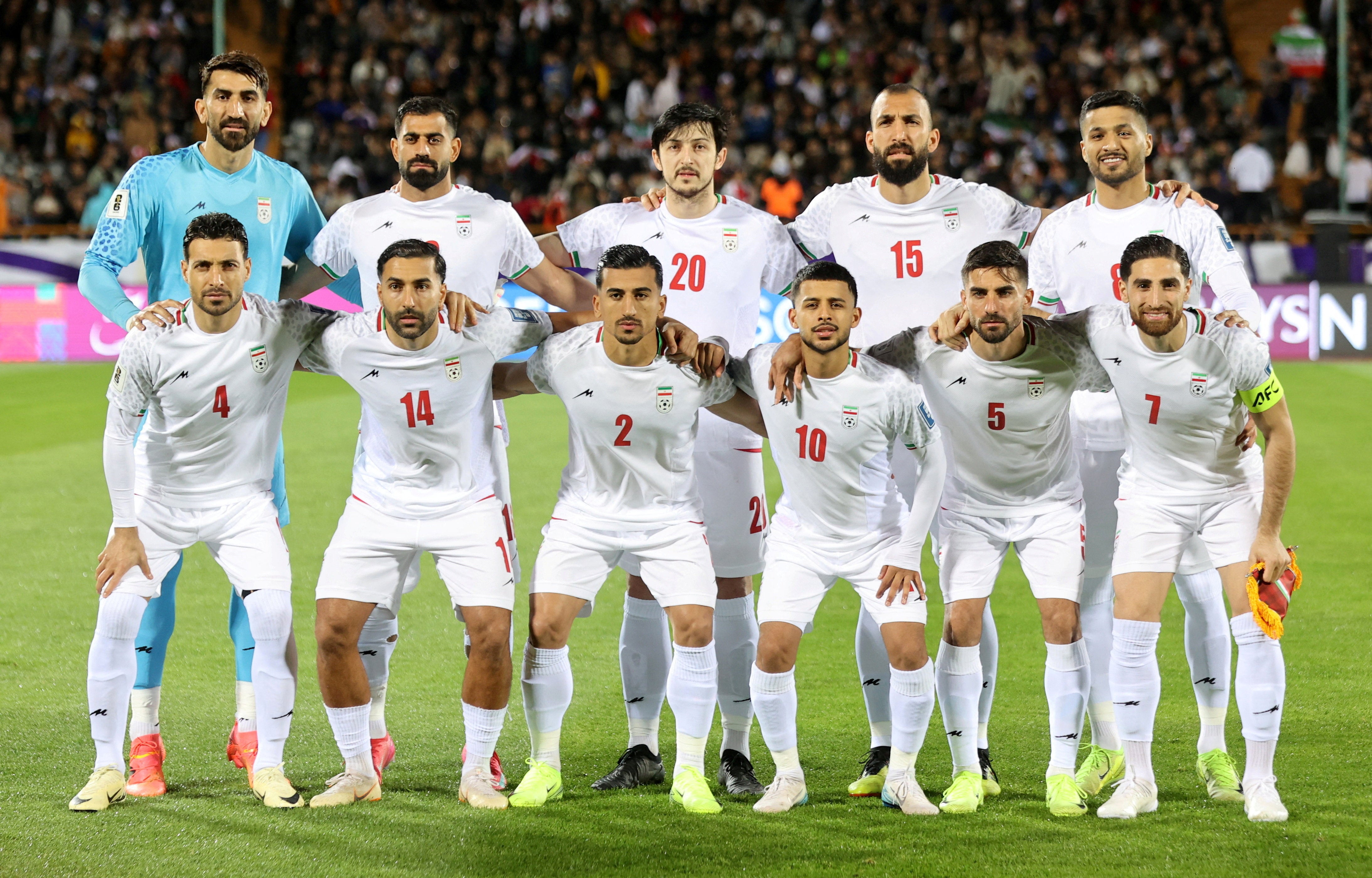
The Iran national football team has departed for Mexico to participate in the upcoming FIFA World Cup, even as the squad continues to navigate a complex and unresolved visa dispute with the United States. While the team’s travel plans have moved forward, reports indicate that several members of the delegation faced significant hurdles in obtaining the necessary travel documentation, highlighting the intersection of international sports and ongoing political tensions.
According to reports, the team transitioned through Turkey before making their final push toward the tournament host nation. This logistical shift follows public statements from the Iranian Football Federation, which characterized the difficulties in securing entry permits as both discriminatory and politically motivated. The situation remains fluid as football authorities and diplomatic channels manage the implications of these administrative barriers on the competition’s integrity.
The Impact of Visa Restrictions on Delegation Logistics
The preparation for the tournament has been complicated by what officials describe as an incomplete roster of authorized personnel. Reports suggest that as many as 15 members of the Iranian delegation were unable to secure the required visas to enter the United States, a factor that has forced the team to adjust its travel itinerary significantly. The decision to route the team through Turkey highlights the reactive nature of their planning as they seek to ensure the squad arrives in Mexico with as much of its staff and player pool as possible.
The White House has publicly addressed the issue, confirming that visas were indeed issued to members of the Iran national football team. However, the discrepancy between the number of visas granted and the total size of the requested delegation has remained a point of friction. For the athletes and coaching staff, the priority remains the upcoming matches, yet the uncertainty surrounding the full composition of the team continues to dominate the discourse surrounding their participation.
Geopolitical Context and Sports Diplomacy
The tension surrounding the Iranian team’s travel is set against a backdrop of broader international friction. With the United States and Iran currently in a period of heightened geopolitical strain, the arrival of the national football team has been framed by many observers as a moment of high-stakes sports diplomacy. The potential for a match between the two nations on the pitch is often discussed in the context of these underlying pressures, which have historically influenced the logistical and security arrangements for international tournaments.
Recent reports from international news agencies indicate that the Pentagon has raised the threat level regarding regional tensions, a development that further complicates the environment in which this tournament is taking place. While the football federation focuses on the sporting objective, the reality of the diplomatic climate—marked by frequent reports of military posturing in the Gulf and ongoing regional conflicts—serves as a constant shadow over the players’ preparations.
What Happens Next for the Squad
As the team settles in Mexico, the immediate focus shifts to the tournament’s opening fixtures. The Iranian Football Federation continues to monitor the status of the remaining staff members who were denied entry, though no immediate resolution has been announced by the relevant authorities. For the players, the task is to maintain focus on their tactical preparations despite the off-field distractions that have characterized their journey to the host country.
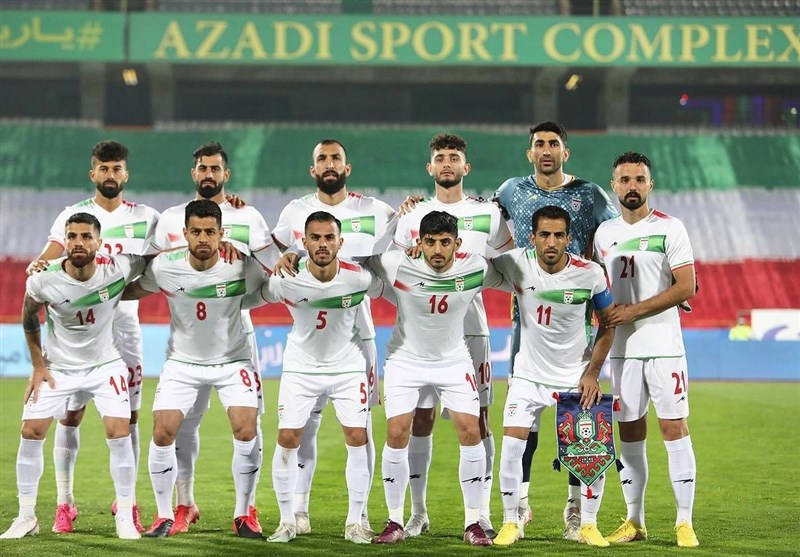
Fans and observers are awaiting further updates from FIFA regarding any potential adjustments to the team’s delegation or further diplomatic interventions. Readers interested in the latest developments are encouraged to monitor official tournament bulletins and the Iranian Football Federation’s updates for any changes to the status of the traveling party. We will continue to provide updates as more information regarding the team’s progress and any further diplomatic developments becomes available.
Keep reading