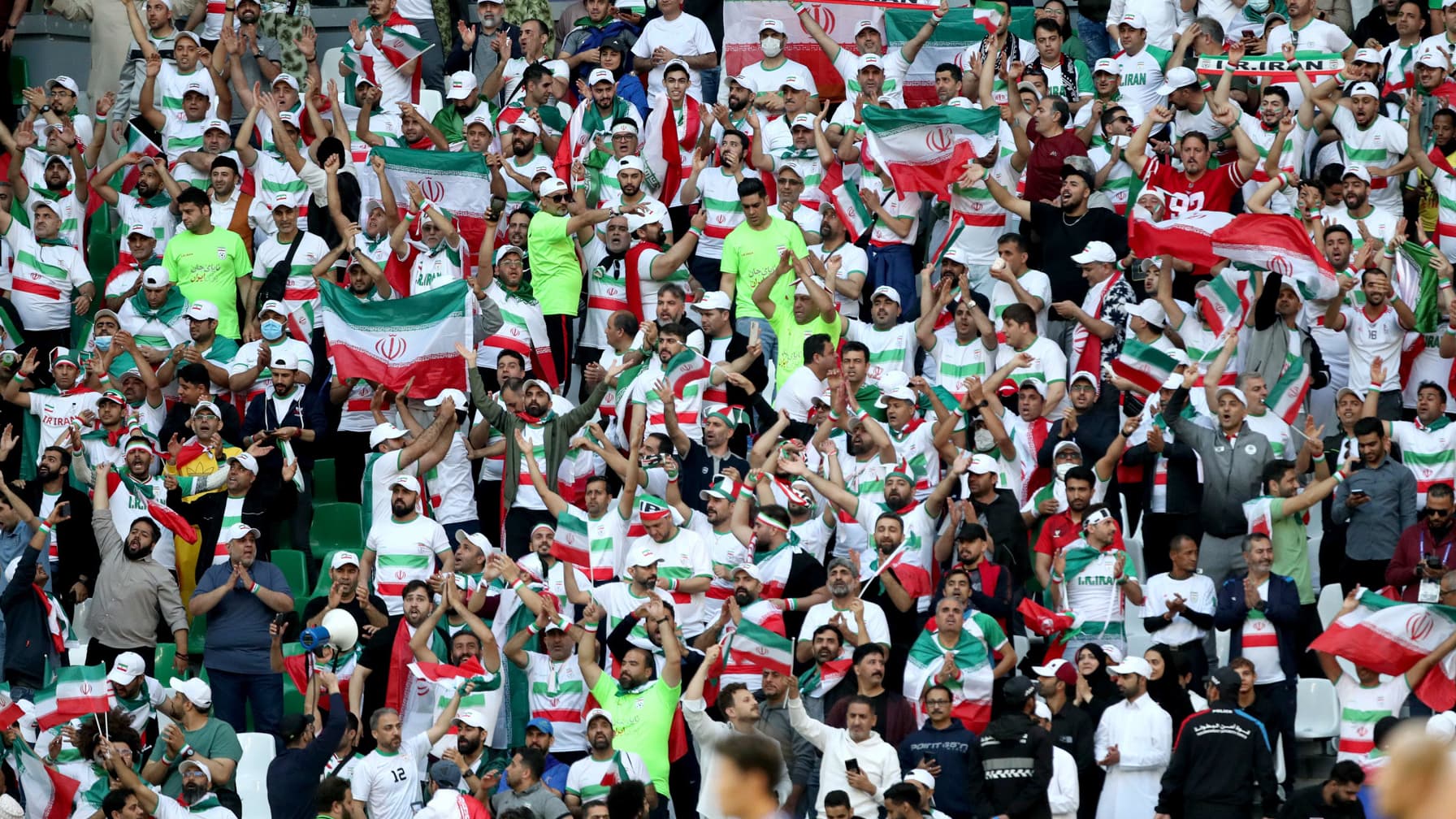
TEHRAN, Iran — In a scene that transcended football, Iran’s national team became the unlikely centerpiece of a mass celebration of national identity as thousands of supporters gathered in Tehran’s Enghelab Square for an emotional farewell ceremony ahead of the 2026 FIFA World Cup. The event, attended by senior government officials and football authorities, marked a rare moment of unity for a nation navigating both geopolitical tensions and the pressures of international competition.
The ceremony unfolded Wednesday night, just hours after Iranian President Masoud Pezeshkian visited the team’s training camp alongside Minister of Sports Ahmad Donyamali. Their presence underscored the stakes: Iran’s participation in the World Cup—held across the United States, Mexico, and Canada—has become a political football in its own right, with the team’s qualification overshadowed by diplomatic disputes and visa controversies.
Yet for the players and supporters, the focus remained on the field. As President Pezeshkian addressed the squad, his words carried weight beyond the sporting realm: “What matters to us is sincere effort, responsibility, and using every capacity for the pride of Iran,” he declared. “Today, you are not merely a football team; you represent the hope, dignity, unity, and determination of the Iranian nation before the eyes of the world.”
“Victory is valuable, but even in defeat, what endures is dignity in competition and the fighting spirit of a nation.”
The ceremony’s timing was deliberate. Iran’s participation in the World Cup hinges on 10 conditions set by the Iranian Football Federation (FFIRI), including visa guarantees for players with ties to the Islamic Revolutionary Guard Corps (IRGC), such as captain Ehsan Hajsafi and star striker Mehdi Taremi. The IRGC, designated a terrorist organization by the U.S. And Canada, has complicated travel plans for Iranian officials and athletes, including FFIRI President Mehdi Taj, who was denied entry to Canada for last month’s FIFA Congress.
The Political Subtext: Why Iran’s World Cup Participation Is Far From Certain
While the ceremony celebrated unity, the reality is more complex. Iran’s qualification for the World Cup—achieved through a grueling playoff campaign—has been overshadowed by the armed conflict between Iran and its regional adversaries, which escalated in February 2026. The U.S. And Israel’s military actions have strained diplomatic relations, raising questions about whether the host nations will honor Iran’s demands.
In a statement posted on its official website, FFIRI left little room for negotiation: “We will definitely participate in the 2026 World Cup, but the hosts must take our concerns into account. No external power can deprive Iran of its participation in a cup to which it has qualified with merit.” The federation’s president, Mehdi Taj, reiterated these demands on state television, insisting on visa guarantees for IRGC-affiliated players and technical staff, as well as the right to display the national flag and anthem during matches.
Iran’s 10 World Cup Conditions (Verified)
- Visa guarantees for all players and staff, including those with IRGC ties.
- Right to display the national flag and play the national anthem during matches.
- High-security arrangements for the team’s movements, and accommodations.
- No political interference in team operations or player conduct.
- Media access for Iranian state outlets covering the tournament.
Source: FFIRI Official Statement
From Protest to Pride: How Football Became Iran’s Unifying Force
The farewell ceremony in Enghelab Square was more than a sports event—it was a statement. Iran has long used football as a tool for national identity, particularly after the 2019 protests, when the team’s qualification for the 2022 World Cup became a symbol of resilience. This year, the stakes are higher. With the team set to train in Tucson, Arizona, and matches scheduled in Los Angeles, Seattle, and Kansas City, the Iranian squad faces not only opponents on the field but also diplomatic hurdles.
For the players, the message from President Pezeshkian was clear: “Fight for the name of Iran.” The sentiment resonated with supporters who packed Enghelab Square, waving flags and chanting slogans that blended football pride with political defiance. “This is not just about winning matches,” said team captain Ehsan Hajsafi in a post-ceremony interview. “It’s about showing the world that Iran stands tall, no matter the challenges.”
The Road Ahead: What Happens Next?
Iran’s World Cup campaign begins on June 15, 2026, with an opening match against New Zealand in Los Angeles. The team’s group-stage fixtures also include games against
Worth a look