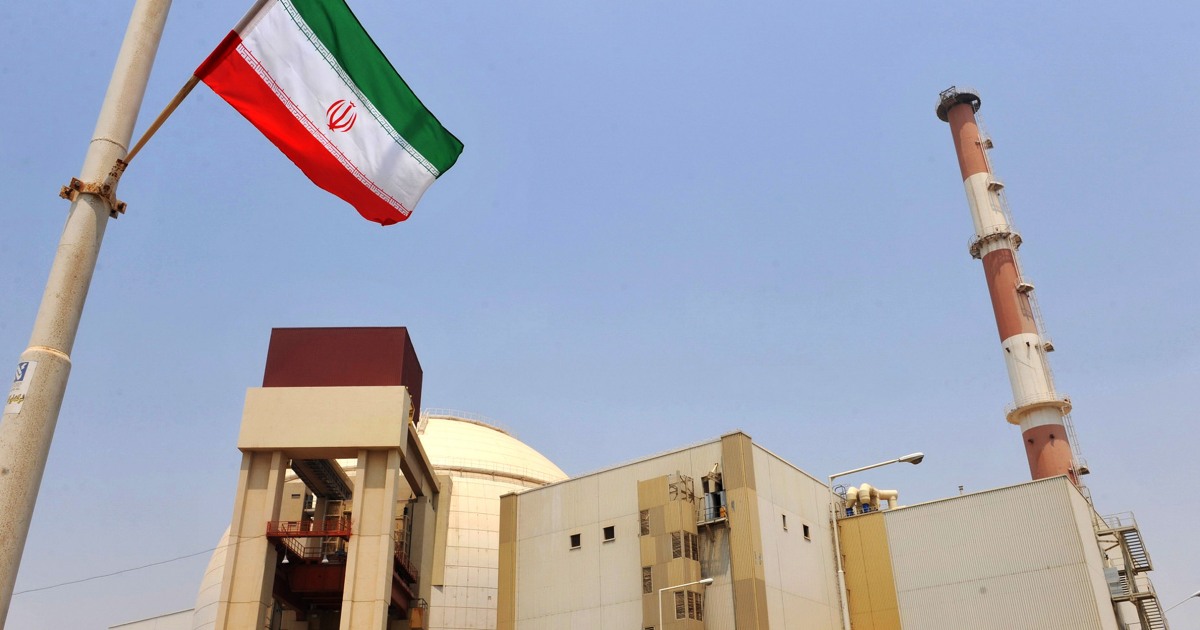
International Atomic Energy Agency (IAEA) inspectors are preparing to visit nuclear sites in Iran, according to statements from the United Nations nuclear watchdog, though the Iranian government maintains that such access remains contingent upon the finalization of a comprehensive diplomatic agreement. The discrepancy between the agency’s stated intent and Tehran’s official position highlights the ongoing friction surrounding Iran’s nuclear program and the limits of international oversight.
The IAEA, led by Director General Rafael Grossi, has consistently sought to maintain a monitoring presence at Iranian facilities to ensure transparency regarding the country’s uranium enrichment activities. Conversely, officials in Tehran have repeatedly denied that any new commitments or concessions have been made, particularly regarding the expansion of inspection protocols outside of a formal, finalized deal. This disagreement persists as global powers monitor the status of the 2015 Joint Comprehensive Plan of Action (JCPOA) and subsequent efforts to curb Iran’s nuclear capabilities, as reported by the International Atomic Energy Agency.
The Scope of IAEA Oversight in Iran
The IAEA’s mandate involves the continuous monitoring of nuclear sites to verify that materials are not being diverted for non-civilian purposes. According to the IAEA’s official verification reports, the agency employs a combination of on-site inspections and remote surveillance equipment to track enrichment levels and centrifuge production. These measures are designed to provide early warnings of any movement toward weapons-grade material.

However, the operational environment for these inspectors has fluctuated significantly. In recent years, Iran has restricted access to certain facilities, citing national security concerns and the absence of a working agreement with Western powers. The IAEA has expressed concern that these limitations create gaps in their knowledge, potentially hindering the ability of the international community to accurately assess the current state of Iran’s nuclear advancement. The agency’s ability to perform these duties effectively is tied to the cooperation of the host nation, a standard requirement under the Nuclear Non-Proliferation Treaty (NPT), to which Iran is a signatory, according to the United Nations Office for Disarmament Affairs.
Tehran’s Stance on Inspections and Diplomatic Ties
Tehran’s leadership maintains that any expansion of IAEA access is a bargaining chip to be used only within the framework of a broader agreement that includes the lifting of international sanctions. Iranian officials have characterized reports of “concessions” or “agreements” to allow new inspections as inaccurate, asserting that their nuclear program remains within the bounds of civilian development.

This position remains a central point of contention in diplomatic discussions. While the IAEA views its inspection mandate as a technical necessity to maintain global security standards, Iranian negotiators treat the issue as a political matter. According to the Reuters reporting on regional security, the lack of a formal agreement has led to a stalemate where the agency’s technical requirements are frequently sidelined by the geopolitical objectives of the involved nations.
What Happens Next for Nuclear Monitoring
The next major checkpoint for this issue will likely occur during the upcoming IAEA Board of Governors meeting, where member states are expected to review the latest safeguards implementation reports. These meetings serve as a forum for the agency to formally document any lack of cooperation and for member states to exert diplomatic pressure.
Observers are also looking toward the status of US Senate deliberations, which have periodically included legislative efforts to curb or define the scope of executive war powers regarding Iran, as noted by official U.S. Senate legislative records. As of the current diplomatic cycle, there is no verified date for a new round of high-level nuclear talks, leaving the status of inspection protocols in a state of uncertainty. Interested readers can monitor the IAEA’s official portal for updates on safeguard activities and official statements from the Director General’s office.
We invite our readers to share their analysis of the evolving geopolitical situation in the comments section below. Your engagement helps foster a more informed conversation on these critical international security matters.
Worth a look