Iran Seeks Russian Support as Nuclear Talks With U.S. Stall
MOSCOW — Iranian Foreign Minister Abbas Araghchi arrived in Moscow on Monday for high-stakes talks with Russian President Vladimir Putin, as Tehran accused Washington of sabotaging negotiations aimed at reviving the 2015 nuclear deal. The visit comes amid escalating tensions between Iran and the U.S., with Araghchi publicly blaming the Biden administration for the collapse of indirect talks that had shown signs of progress earlier this year.
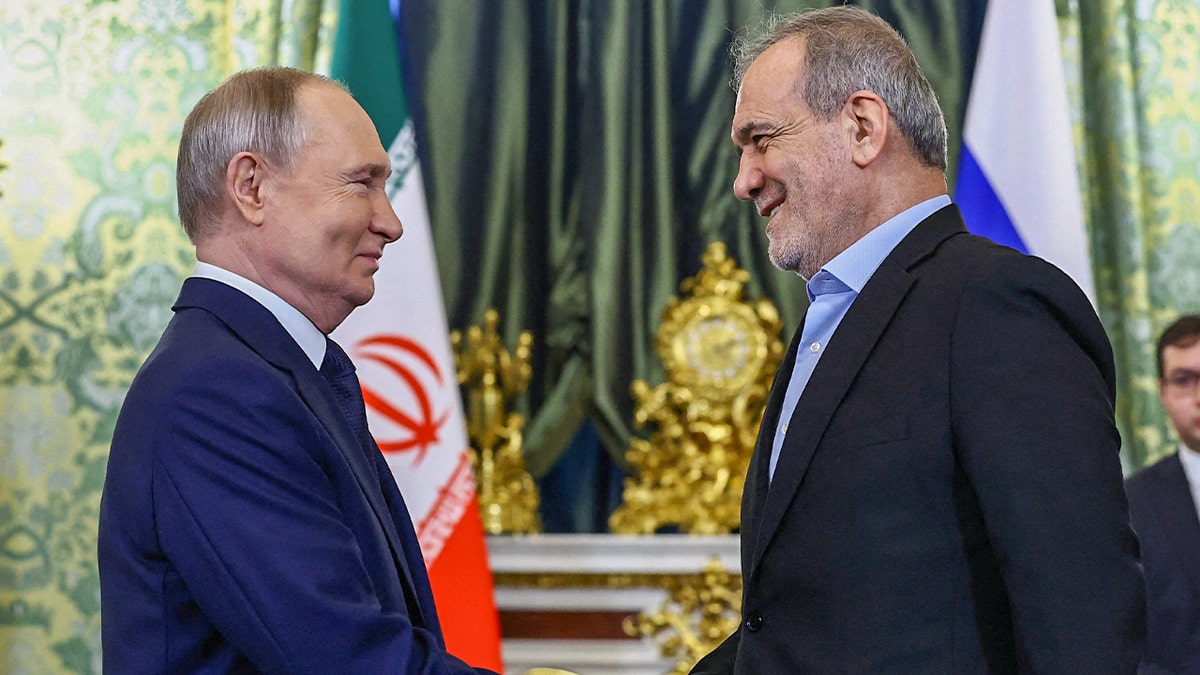
Araghchi, a veteran diplomat who led Iran’s negotiating team during the original Joint Comprehensive Plan of Action (JCPOA) talks, met with Putin at the Kremlin, where the Russian leader pledged Moscow’s full support for Iran’s sovereignty and stability in the region. The meeting underscored the deepening alliance between the two nations as Iran faces mounting pressure from Western sanctions and military threats.
“The United States has once again demonstrated its lack of commitment to diplomacy,” Araghchi told reporters in Moscow, echoing statements he made earlier in the day. “We will not negotiate under pressure or siege.” His remarks followed a closed-door session with Russian Foreign Minister Sergey Lavrov, where the two sides discussed strategies to counter U.S. Influence in the Middle East.
Stalled Negotiations and Rising Tensions
The nuclear talks, which have been stalled since late 2025, aim to revive the JCPOA, an agreement that lifted international sanctions on Iran in exchange for limits on its nuclear program. The deal collapsed in 2018 after then-President Donald Trump unilaterally withdrew the U.S. And reimposed crippling economic sanctions. President Joe Biden had signaled a willingness to rejoin the agreement if Iran returned to compliance, but negotiations have repeatedly faltered over demands for additional concessions from both sides.

In recent weeks, Iran has accused the U.S. Of introducing fresh conditions that go beyond the original deal, including demands related to Iran’s ballistic missile program and regional influence. Washington, in turn, has expressed frustration over Iran’s refusal to halt uranium enrichment activities that exceed the JCPOA’s limits. According to International Atomic Energy Agency (IAEA) reports, Iran has increased its stockpile of enriched uranium to levels that could shorten its breakout time to a nuclear weapon, though Tehran insists its program is for peaceful purposes.
Araghchi’s visit to Moscow is widely seen as an effort to rally international support against what Iran perceives as U.S. Intransigence. Russia, a signatory to the original JCPOA, has consistently backed Iran’s position, accusing the U.S. Of undermining the agreement through its withdrawal and subsequent sanctions. During their meeting, Putin reiterated Russia’s commitment to helping Iran navigate the diplomatic impasse.
“The Iranian people are fighting with bravery for their sovereignty and independence,” Putin told Araghchi, according to a Kremlin readout of the meeting. “Russia will do everything in its power to support Iran in this hard period.”
Russia’s Role as a Mediator
Russia’s involvement in the nuclear talks has been a double-edged sword. While Moscow has positioned itself as a mediator, its close ties with Tehran have raised concerns in Western capitals about its impartiality. Russia and Iran have strengthened their economic and military cooperation in recent years, particularly in Syria, where both countries support the government of President Bashar al-Assad. The two nations have also collaborated on energy projects and arms deals, further solidifying their strategic partnership.

During Araghchi’s visit, Lavrov emphasized that Russia would continue to push for a diplomatic solution to the nuclear standoff. “We believe that the JCPOA remains the best framework for ensuring regional stability and preventing the proliferation of nuclear weapons,” Lavrov said in a joint press conference with Araghchi. “The U.S. Must return to the agreement without preconditions.”
Although, analysts warn that Russia’s ability to broker a deal is limited by its own strained relations with the West. Since Russia’s invasion of Ukraine in 2022, Moscow has faced unprecedented sanctions and diplomatic isolation, complicating its role as a neutral mediator. Some experts suggest that Russia may be using the Iran nuclear talks as leverage in its broader geopolitical struggle with the U.S. And its allies.
Iran’s Red Lines and Domestic Pressures
Iranian President Masoud Pezeshkian, who appointed Araghchi as foreign minister in 2024, has made reviving the JCPOA a cornerstone of his foreign policy. However, Pezeshkian faces significant domestic pressure from hardliners who oppose any concessions to the West. In a statement released ahead of Araghchi’s Moscow trip, Pezeshkian reiterated that Iran would not engage in negotiations “under pressure and siege.”
“The U.S. Must first lift its illegal sanctions and return to the JCPOA,” Pezeshkian said. “Only then can we discuss further steps.” His comments reflect the growing frustration within Iran’s political establishment over what many notice as Washington’s failure to honor its commitments under the original deal.
The standoff has raised concerns about the potential for military escalation. Israel, which has long opposed the JCPOA, has warned that it will not tolerate a nuclear-armed Iran. In recent months, Israel has conducted a series of airstrikes against Iranian-backed militias in Syria and Iraq, further heightening regional tensions. The U.S. Has also increased its military presence in the Persian Gulf, citing threats to shipping lanes and regional allies.
What’s Next for the Nuclear Talks?
Despite the current impasse, diplomats from both sides have left the door open for future negotiations. The European Union, which has played a key role in mediating between Iran and the U.S., has called for a resumption of talks in the coming weeks. However, with Iran’s presidential elections looming in 2027 and the U.S. Entering a contentious election year, the window for a diplomatic breakthrough may be narrowing.
Araghchi’s Moscow visit is expected to be followed by a trip to Beijing, where he will seek support from another key ally. China, which has also been a signatory to the JCPOA, has called for a return to the agreement but has stopped short of directly criticizing the U.S. Like Russia, China has deepened its economic ties with Iran in recent years, investing heavily in the country’s energy sector.
For now, the fate of the nuclear talks remains uncertain. While Iran and Russia have signaled their willingness to continue diplomatic efforts, the U.S. Has yet to respond to Araghchi’s latest accusations. A spokesperson for the U.S. State Department declined to comment on the specifics of the negotiations but reiterated Washington’s commitment to preventing Iran from acquiring nuclear weapons.
Key Takeaways
- Iran accuses the U.S. Of sabotaging nuclear talks: Foreign Minister Abbas Araghchi blamed Washington for the collapse of negotiations aimed at reviving the 2015 JCPOA.
- Russia pledges support for Iran: President Vladimir Putin assured Araghchi of Moscow’s backing during a meeting in the Kremlin, calling the Iranian people’s fight for sovereignty “brave.”
- Negotiations remain stalled: Iran insists it will not negotiate under pressure, while the U.S. Demands additional concessions beyond the original deal.
- Regional tensions escalate: Israel has conducted airstrikes against Iranian-backed militias, and the U.S. Has increased its military presence in the Persian Gulf.
- Next steps unclear: The EU has called for a resumption of talks, but Iran’s upcoming elections and the U.S. Political calendar may complicate efforts to reach a deal.
What Happens Next?
The next round of indirect talks between Iran and the U.S. Is expected to grab place in Vienna, with the EU serving as a mediator. However, no official date has been set, and both sides remain far apart on key issues. In the meantime, Iran is likely to continue seeking support from Russia and China as it navigates the diplomatic impasse.
For the latest updates on the Iran nuclear talks and regional developments, follow World Today Journal’s coverage. Share your thoughts in the comments below—how do you see the future of the JCPOA?