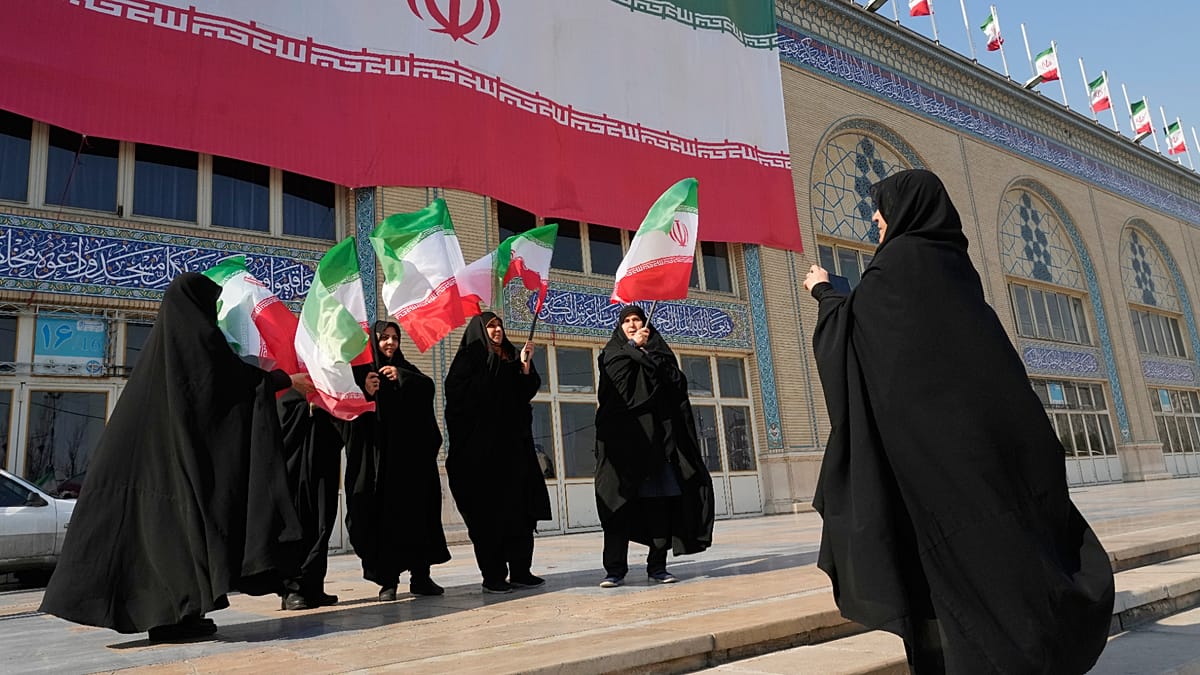
Rising Tensions in the Gulf as Iran Faces Renewed Protests and US Military Pressure
Tehran is navigating a complex geopolitical landscape as renewed anti-government protests erupt across the country, coinciding with escalating tensions with the United States and a significant build-up of US military presence in the Middle East. Iranian President Masoud Pezeshkian has asserted that Iran will not yield to international pressure amid ongoing negotiations regarding its nuclear program, a defiant stance taken as Washington considers its options, including potential military action. The situation is further complicated by a wave of travel advisories issued by several nations urging their citizens to depart Iran, signaling a growing concern for regional stability.
The latest protests, reported by both local and diaspora media, are linked to the remembrance of those killed during earlier demonstrations that peaked in January. These protests, often marking 40 days since previous deaths in accordance with Shiite mourning traditions, reflect a continuing undercurrent of discontent within Iranian society. The demonstrations are occurring against a backdrop of economic hardship and a crackdown on dissent by Iranian security forces. The current climate is particularly sensitive as talks with the US regarding Iran’s nuclear program remain stalled, despite describing the talks as overall positive.
Pezeshkian’s Defiant Stance and Nuclear Negotiations
President Pezeshkian’s firm declaration that Iran will not “bow down” to pressure from world powers came in response to a recent warning from US President Donald Trump, who is reportedly considering limited strikes against Iranian nuclear facilities to compel a deal. “World powers are lining up to force us to bow our heads… but we will not bow our heads despite all the problems that they are creating for us,” Pezeshkian stated in a televised address on Saturday, February 22, 2026, as reported by Al Jazeera. Al Jazeera reported that Pezeshkian’s comments were made amid high tensions in the Gulf, with the US continuing to expand its military presence.
Indirect talks between Iran and the US resumed earlier this month in Oman, followed by a second round in Switzerland. While both Washington and Tehran have characterized the discussions as generally positive, a breakthrough remains elusive. Iranian Foreign Minister Abbas Araghchi indicated on Friday that a diplomatic solution appeared “within our reach” and that a draft deal could be finalized and sent to Washington “in the next two to three days.” Although, the looming threat of US military action casts a shadow over these diplomatic efforts.
Escalating Military Presence and Warnings of Strikes
The United States has been steadily increasing its military presence in the Middle East, deploying two aircraft carriers and dozens of jets, a move that has been interpreted by Iran as a display of force and a deliberate attempt to exert pressure during the nuclear negotiations. Reuters reported that US military aircraft were observed at Lajes Air Base, and officials suggested potential strikes could target Iranian leadership. Reuters also noted the passage of the USS Gerald R. Ford aircraft carrier through the Strait of Gibraltar on Friday.
President Trump has not ruled out the apply of military force, and according to reports, the Pentagon is preparing for a range of scenarios, including potential strikes targeting Iranian Supreme Leader Ayatollah Ali Khamenei. One Trump advisor, speaking to Axios, suggested that the military has plans “for every scenario,” including one that would “take out the ayatollah and his son and the mullahs.” The scale of the US military build-up is being compared to the preparations made before the 2003 invasion of Iraq, raising concerns about a potential escalation of conflict.
Further amplifying the tensions, Flightradar24 reported that Bulgaria’s Sofia airport will be temporarily closed to civilian traffic on Monday and Tuesday, February 24th and 25th, 2026, to accommodate US military aircraft. The New York Post reported that Bulgaria’s Ministry of Defence confirmed the deployment as part of NATO’s enhanced vigilance activities.
Renewed Protests and Internal Divisions
The current wave of protests in Iran is fueled by grief and anger over the deaths of protesters during the January clashes, as well as broader discontent with the country’s economic situation and political restrictions. Videos geolocated by AFP show confrontations at Tehran’s top engineering university, with students chanting slogans and engaging in physical altercations. Iran International, a Persian-language TV channel based in London, also reported protests at Sharif University of Technology.
The protests are occurring during a significant period in the Shiite mourning calendar, with Iranians observing 40 days since the deaths of those killed in previous demonstrations. Reports indicate that a planned “silent and peaceful sit-in” by students was disrupted by counter-protesters chanting slogans against the Supreme Leader, Ali Khamenei. A video published by the Fars News Agency showed opposing groups clashing, with one side waving Iranian flags and the other wearing masks.
The unrest initially began in December 2025, triggered by economic hardship, and quickly escalated into widespread anti-government protests. Iranian authorities have admitted to more than 3,000 deaths, attributing the violence to “terrorist acts” allegedly instigated by external enemies. However, rights groups, such as the US-based Human Rights Activists News Agency, claim the death toll is significantly higher, exceeding 7,000, with the actual number potentially much greater. President Trump, without providing a source, stated on Friday that 32,000 people had been killed during the recent protests, a claim that Iranian Foreign Minister Araghchi challenged on social media, requesting any evidence to support the figure.
International Concerns and Travel Advisories
The escalating tensions and the potential for conflict have prompted several countries to urge their citizens to leave Iran or avoid traveling there altogether. Serbia’s foreign ministry issued a statement on Saturday, February 22, 2026, advising its citizens against travel to Iran due to the “deteriorating security situation.” The New York Post also reported that Sweden and Australia have issued similar warnings to their citizens.
The situation remains highly volatile, with the potential for miscalculation, and escalation. The outcome of the nuclear negotiations, coupled with the evolving security dynamics in the region, will be crucial in determining whether a diplomatic solution can be reached or whether the region is headed towards a more dangerous confrontation.
Key Takeaways:
- Iran’s President Pezeshkian has vowed not to succumb to US pressure amid nuclear talks.
- The US has significantly increased its military presence in the Middle East, raising concerns about potential military action.
- Renewed anti-government protests are taking place in Iran, fueled by grief and discontent.
- Several countries have advised their citizens to leave Iran due to the deteriorating security situation.
The next key development to watch will be the Iranian Foreign Minister’s anticipated submission of a draft nuclear deal to Washington in the coming days. The international community will be closely monitoring the US response and hoping for a diplomatic resolution to avert further escalation. Share your thoughts on this developing situation in the comments below.
Worth a look