
The escalating war with Iran has evolved into more than a regional conflict, emerging as a primary lever in the geopolitical struggle between Washington and Beijing. As the United States intensifies its military operations, the crisis is exposing the limits of American power in a multipolar world although simultaneously serving as a tool to pressure the Chinese leadership.
At the center of this confrontation is the Strait of Hormuz, a critical maritime chokepoint through which one-fifth of the world’s oil and liquefied natural gas (LNG) supply passes. With the Strait currently closed to the United States and its European allies, the threat of an unprecedented global energy crisis is now driving U.S. Policy toward the Iran war, according to analysis by Global Affairs.
This strategic deadlock has spilled over into the highest levels of diplomacy. A highly anticipated summit between U.S. President Donald Trump and Chinese President Xi Jinping was postponed this week. President Trump stated that the ongoing war required his presence in Washington, but the delay follows a more explicit ultimatum: Trump threatened to postpone the Beijing meeting should China refuse to assist the United States in reopening the Strait of Hormuz.
For observers of the Trump Doctrine and China’s global influence, these developments suggest that the conflict in the Middle East is being utilized to undermine Beijing’s strategic projects. By tying the resumption of high-level diplomatic engagement to China’s cooperation in a U.S.-led military effort, the administration is testing whether China’s economic interests in the region outweigh its desire to avoid direct alignment with U.S. Security objectives.
The Strait of Hormuz: A Global Energy Chokepoint
The closure of the Strait of Hormuz has created a volatile environment for global energy markets. Since such a significant portion of the world’s oil and LNG flows through this narrow waterway, any prolonged blockage threatens to destabilize prices and supply chains worldwide. This vulnerability has forced various global powers to adopt divergent strategies to protect their energy security.
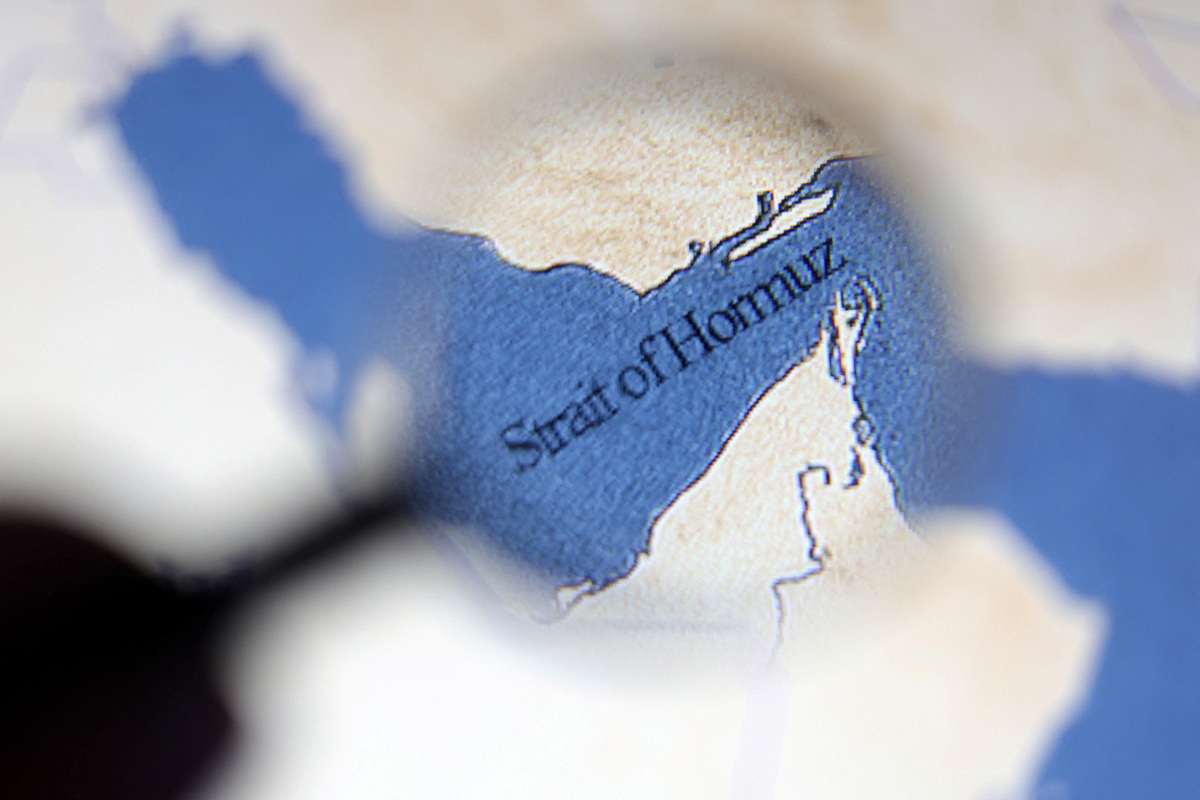
While the U.S. And its European partners remain blocked, India has successfully navigated the crisis through a strategy of multi-alignment. India has secured safe passage for its vessels, a critical achievement given that approximately half of its crude oil and roughly 85 percent of its liquefied petroleum gas imports pass through the Strait Global Affairs.
In contrast, the U.S. Has faced friction among its own allies. European allies have reportedly refused to send their warships to the Strait of Hormuz, signaling a fracture in the Western response. However, the United Kingdom has provided a key strategic concession, allowing the United States to utilize British bases to launch bombing raids against missile sites within Iran.
Pressure on Beijing and the Postponed Summit
China finds itself in a precarious position, balancing its role as a major oil importer from Tehran with the pressure to maintain a functional relationship with the United States. The Chinese Foreign Ministry has responded to U.S. Requests for military support by reiterating calls for all parties to immediately cease military operations.
The postponement of the Trump-Xi summit highlights the transactional nature of the current U.S. Approach. By leveraging the summit, the Trump administration is attempting to force China to choose between its autonomy in the Middle East and its diplomatic standing with Washington. This pressure is compounded by the fact that China remains heavily dependent on Iranian oil, making the stability of the Strait of Hormuz a matter of national security for Beijing as well.
Economic Ties and Regional Alliances
The conflict also highlights the deep economic integration between China and key Gulf states. Saudi Arabia and the United Arab Emirates (UAE) are so deeply engaged in the Chinese economic system that there are concerns they may refuse to curtail oil sales to Beijing, even under U.S. Pressure, as noted by the Hudson Institute.
This economic interdependence creates a complex web of loyalties. While the U.S. Seeks to isolate Iran and limit China’s influence, the financial realities of the Gulf states may limit the effectiveness of U.S. Sanctions or diplomatic pressure. The result is a multipolar struggle where economic ties often compete with military alliances.
Key Geopolitical Impacts at a Glance
| Entity | Current Status/Action | Primary Objective |
|---|---|---|
| United States | Bombing missile sites via UK bases | Reopen Strait of Hormuz; pressure China |
| China | Calling for cessation of hostilities | Maintain oil imports; avoid military entanglement |
| India | Secured safe passage for ships | Ensure energy security (50% oil/85% LPG) |
| European Allies | Refused to send warships to the Strait | Avoid direct escalation in the conflict |
| United Kingdom | Providing base access to the U.S. | Support U.S. Security objectives |
The Strategic Goal: Undermining the ‘Project’
The broader debate among geopolitical experts suggests that the current U.S. Strategy is not merely about the immediate conflict with Iran, but is a calculated move to undermine what some describe as China’s project for global dominance. By forcing China to intervene in a U.S.-led military effort, the Trump administration aims to expose the limits of China’s “multi-alignment” strategy and compel Beijing to act as a junior partner in U.S. Security architecture.
Whether this approach will succeed remains uncertain. The tension between the demand for global energy stability and the desire for geopolitical leverage has created a volatile environment. If China continues to resist U.S. Demands, the postponed summit may remain delayed, further chilling the relationship between the world’s two largest economies.
The next confirmed checkpoint in this diplomatic standoff will be the official response from the Chinese Foreign Ministry regarding the reopening of the Strait of Hormuz and the eventual rescheduling of the summit between President Trump and President Xi.
Do you believe the U.S. Can successfully leverage the Iran conflict to change China’s global strategy? Share your thoughts in the comments below.
Keep reading