
For many, a bout of infectious mononucleosis during the teenage years is remembered as a grueling few weeks of exhaustion, sore throats and a forced hiatus from sports and social lives. Often dismissed as a rite of passage of adolescence, this illness—commonly known as “mono”—is typically viewed as a temporary hurdle that resolves with rest, and time.
However, emerging research suggests that the impact of the infection may extend far beyond the initial recovery period. Scientists are uncovering a concerning link between mono and multiple sclerosis, indicating that the virus responsible for the illness may play a role in triggering a chronic neurological condition years later.
Recent data indicates that having infectious mononucleosis is associated with a threefold higher risk of developing multiple sclerosis (MS) according to reports from News Medical. This shift in perception moves mono from the category of a simple short-term ailment to a potential precursor for a serious, long-term autoimmune challenge as reported by NDTV.
The Epstein-Barr Virus: More Than a Teenage Phase
At the center of this connection is the Epstein-Barr virus (EBV), a member of the herpesvirus family. EBV is the primary cause of infectious mononucleosis, an illness often nicknamed the “kissing disease” due to its primary mode of transmission through saliva. While most commonly associated with teens and young adults, the virus can as well spread through shared drinks, toothbrushes, or utensils per Psychology Today.
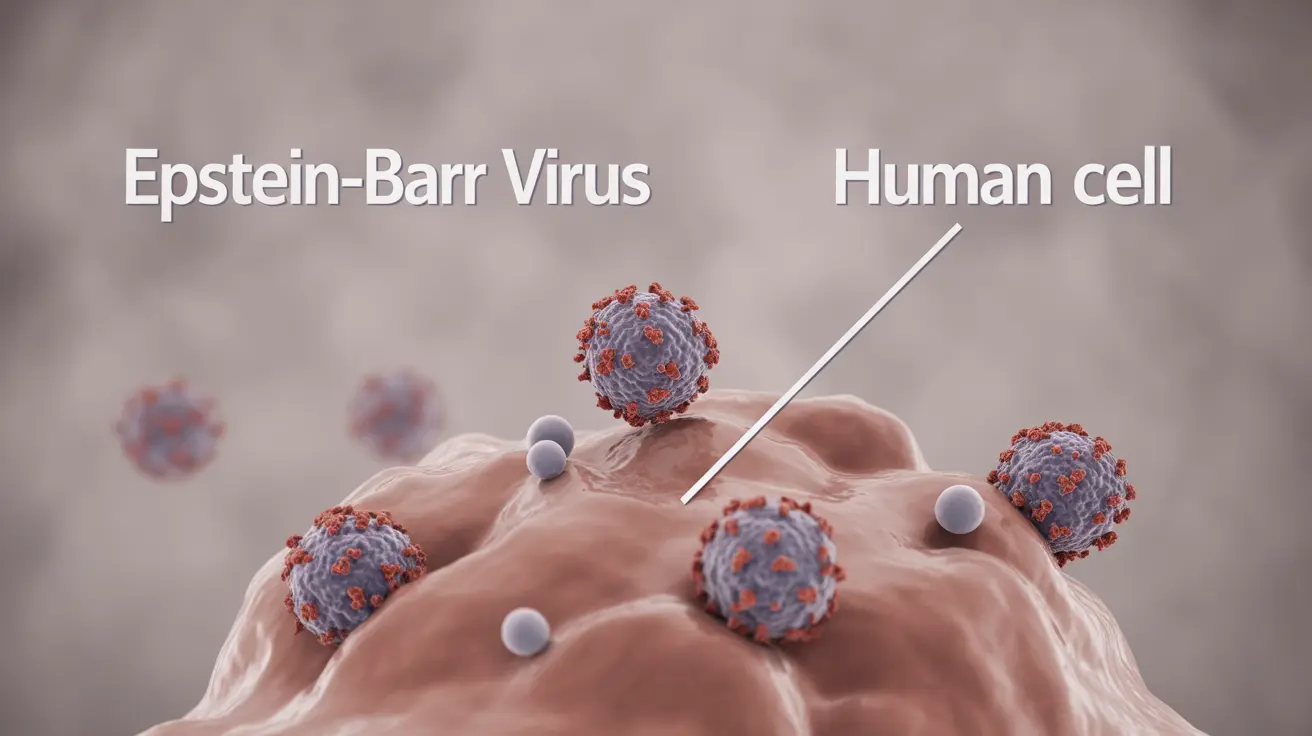
The symptoms of mono are well-documented and often debilitating, including fever, swollen glands, a severe sore throat, and crushing fatigue. However, the most significant aspect of EBV is not the acute phase of the illness, but what happens after the symptoms vanish. Like its relatives—such as the viruses that cause chickenpox or cold sores—EBV remains in the body for life.
Once a person is infected, the virus enters a dormant state, lying quiet within the body’s B cells. While it typically stays inactive, it has the potential for occasional flare-ups, particularly during periods of immunosuppression as detailed by Psychology Today.
Understanding the Link Between Mono and Multiple Sclerosis
Multiple sclerosis is a chronic condition that affects the central nervous system. For decades, researchers have suspected that EBV might be involved in triggering the disease, but recent evidence has provided the strongest link to date. The core of the issue lies in how the virus interacts with the immune system over time.
EBV is incredibly common. By the age of 30, over 90 percent of the global population has been infected with the virus according to data published in Psychology Today. Despite this ubiquity, only a tiny fraction of those infected with EBV ever move on to develop multiple sclerosis.
This disparity suggests that while EBV may be a necessary trigger, It’s not the sole cause. Instead, the development of MS likely results from a complex interaction between the virus and other factors, which may include genetics or environmental influences. This relationship highlights a blurring line between infectious diseases and chronic autoimmune conditions, suggesting that an early-life infection can set the stage for long-term health outcomes.
Key Takeaways on the EBV-MS Connection
- Increased Risk: A history of infectious mononucleosis is linked to a threefold increase in the risk of developing multiple sclerosis.
- Viral Persistence: The Epstein-Barr virus (EBV) stays dormant in B cells for the remainder of a person’s life after the initial infection.
- High Prevalence: Over 90% of people are infected with EBV by age 30, but only a small percentage develop MS.
- Transmission: EBV spreads primarily through saliva, including kissing and sharing utensils.
- Complex Triggers: The development of MS is not caused by EBV alone but by the virus interacting with other biological or environmental factors.
What Which means for Long-Term Health
The discovery that a common teenage illness could be linked to a lifelong neurological condition underscores the importance of understanding viral latency. For the vast majority of people, EBV remains a harmless, dormant passenger. However, for those predisposed to MS, the virus may act as a catalyst.
Understanding this link is critical for the medical community as it opens new avenues for research into prevention and early intervention. If the role of EBV in triggering MS can be fully mapped, it may lead to new strategies for reducing the risk or identifying those most susceptible to the disease following a mono infection.
For those who experienced mono in their youth, these findings do not mean a diagnosis of MS is inevitable, but rather that the medical community is gaining a clearer picture of how early infections influence the immune system’s behavior in adulthood.
As research continues to evolve, the next steps for scientists will involve identifying the specific “other factors” that determine why some EBV-infected individuals develop MS while the vast majority do not. Further updates on clinical studies regarding EBV and autoimmune triggers are expected as longitudinal data becomes available.
Do you have questions about these findings or your own health history? Share your thoughts in the comments below or share this article with others who may find this information useful.
Worth a look