
Escalating Tensions: Trump Issues Stark Warning to Iran Amidst Stalled Negotiations
Washington D.C. – Former President Donald Trump has ratcheted up his rhetoric against Iran, issuing a stern warning and sharing a digitally created image of himself armed with a rifle. This escalation comes as negotiations regarding Iran’s nuclear program remain stalled, and the Biden administration reportedly considers a prolonged extension of existing port blockades. The increasingly assertive stance signals a potential shift towards a more confrontational approach, raising concerns about further instability in the region. The situation is further complicated by reports that Iran has proposed a deal to unlock the Strait of Hormuz, a critical waterway for global oil transport.
Trump’s message, posted on his social media platform Truth Social, urged Iran to “wake up” in the face of the ongoing impasse. “Iran is incapable of organizing. They don’t realize how to sign a non-nuclear agreement. They better wake up soon!” he wrote. Accompanying the message was an artificial intelligence-generated image depicting Trump wearing sunglasses and wielding a rifle, emblazoned with the phrase “The nice guy is gone.” This imagery, widely circulated online, represents a significant departure from more conventional diplomatic communication and underscores Trump’s willingness to employ provocative tactics. The use of AI-generated imagery in political messaging is a relatively new phenomenon, raising questions about the ethical implications of such practices.
Economic Pressure and Potential Blockade
The economic impact of ongoing tensions is already being felt in Iran, with its economy facing significant challenges. According to reporting in The Wall Street Journal, Trump has directed his national security officials to prepare for a sustained blockade of Iranian ports, aiming to compel Tehran to abandon its nuclear program. This strategy echoes the “maximum pressure” campaign pursued during Trump’s presidency, which involved imposing crippling sanctions on Iran’s oil exports and financial sector. The potential for a prolonged blockade raises concerns about disruptions to global energy markets and the humanitarian consequences for the Iranian population.
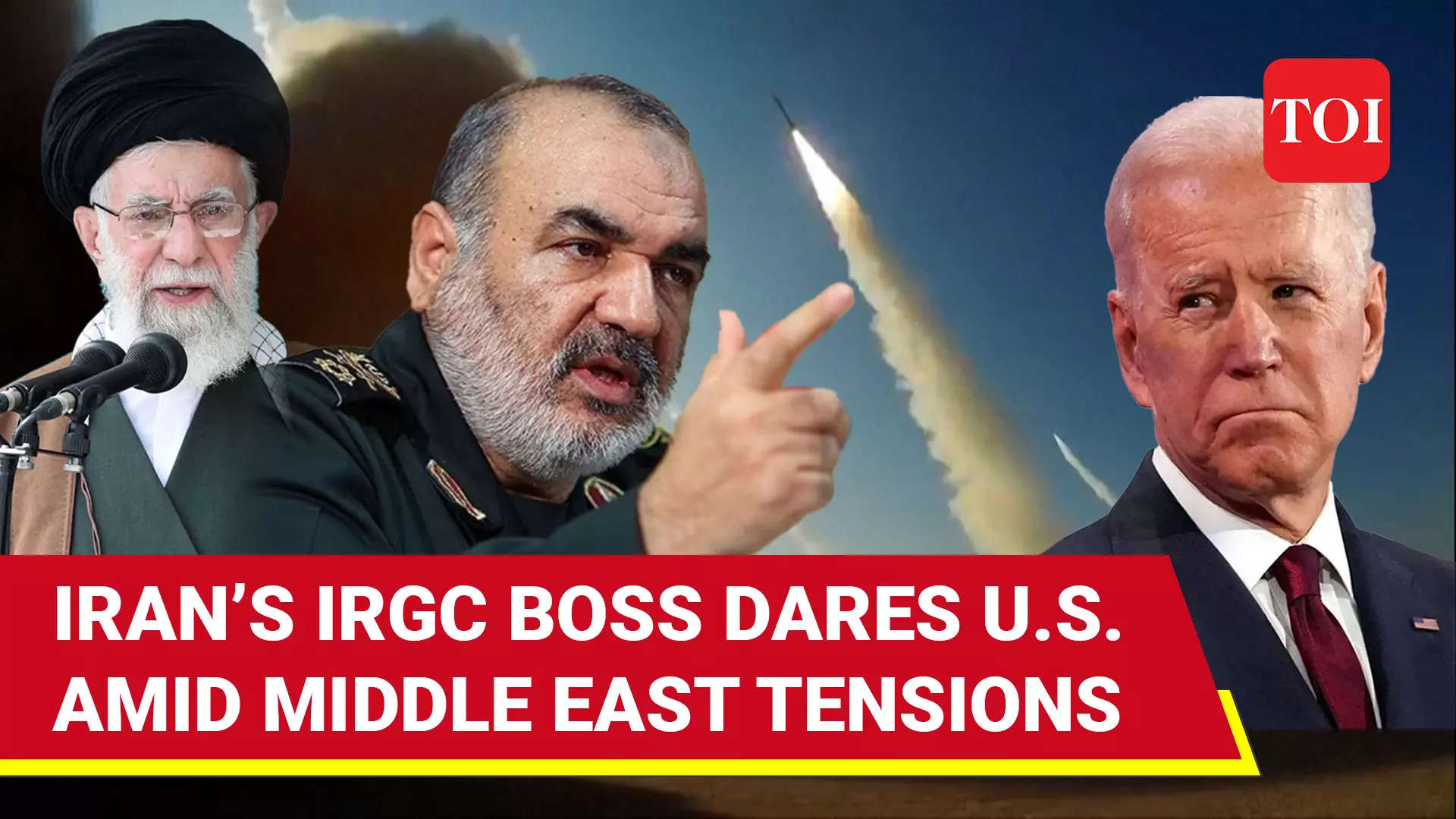
The Biden administration has maintained a firm stance on Iran’s nuclear ambitions, but has also expressed a willingness to engage in diplomatic negotiations. However, talks have stalled in recent months, with both sides accusing the other of intransigence. The United States insists on a comprehensive agreement that addresses Iran’s nuclear program, ballistic missile development, and regional activities, while Iran demands guarantees that the United States will uphold its commitments under any future deal. The current impasse leaves the future of the 2015 Joint Comprehensive Plan of Action (JCPOA), commonly known as the Iran nuclear deal, hanging in the balance.
International Reactions and Regional Implications
The escalating tensions have drawn reactions from international leaders. German Chancellor Olaf Scholz recently suggested that the United States is being “humiliated” by Iran, a statement that reflects growing frustration with the lack of progress in negotiations. This assessment highlights the complex dynamics at play, with European allies seeking to balance their commitment to containing Iran’s nuclear program with their desire to maintain diplomatic channels.
The Strait of Hormuz, a narrow waterway connecting the Persian Gulf to the Arabian Sea, is a vital chokepoint for global oil shipments. Iran’s recent proposal to unlock the strait, reportedly offered to Trump, suggests a willingness to negotiate a resolution to the current crisis. However, the details of the proposal remain unclear, and This proves uncertain whether the United States would accept such an offer. Any disruption to traffic through the Strait of Hormuz could have severe consequences for the global economy, potentially leading to a surge in oil prices and widespread economic instability.
The History of US-Iran Conflict
The relationship between the United States and Iran has been fraught with tension since the 1979 Iranian Revolution, which ousted the US-backed Shah and established an Islamic Republic. The two countries have been at odds over a range of issues, including Iran’s nuclear program, its support for regional proxies, and its human rights record. The United States has imposed numerous sanctions on Iran over the years, and has engaged in military interventions in the region, including support for the Iran-Iraq War in the 1980s and the 2003 invasion of Iraq.

The JCPOA, reached in 2015 between Iran and six world powers (the United States, United Kingdom, France, Germany, Russia, and China), aimed to curb Iran’s nuclear program in exchange for sanctions relief. However, Trump withdrew the United States from the JCPOA in 2018, reimposing sanctions on Iran and triggering a period of escalating tensions. The Biden administration has expressed a desire to rejoin the JCPOA, but negotiations have been hampered by disagreements over the terms of the agreement.
Current Status and Future Outlook
As of April 29, 2026, the situation remains highly volatile. The United States continues to maintain a significant military presence in the Middle East, and there is a risk of further escalation if negotiations fail to resume. The possibility of a prolonged blockade of Iranian ports, as suggested by Trump, could exacerbate economic hardship in Iran and potentially lead to further instability in the region. The outcome of the current crisis will have far-reaching implications for the global energy market, international security, and the future of the Iran nuclear deal.
The Secretary of Defense recently addressed Congress regarding the ongoing conflict, but reportedly downplayed the expected duration of the war, stating that “we’ve only been in an existential fight for two months.” This statement, while attempting to reassure lawmakers, does little to quell concerns about the potential for a protracted and costly conflict. The situation is being closely monitored by international observers, who are urging all parties to exercise restraint and prioritize diplomatic solutions.
Iran is incapable of organizing. They don’t know how to sign a non-nuclear agreement. They better wake up soon! pic.twitter.com/yJ9wJq9w9q
— Donald J. Trump (@realDonaldTrump) April 29, 2026
The coming weeks will be critical in determining the trajectory of the conflict. Further diplomatic efforts are needed to bridge the gap between the United States and Iran, and to prevent a further escalation of tensions. The international community must also work to mitigate the economic and humanitarian consequences of the crisis, and to ensure the stability of global energy markets.
Key Takeaways:
- Former President Trump has issued a strong warning to Iran, accompanied by a digitally altered image.
- The United States is considering a prolonged blockade of Iranian ports as a means of pressuring Tehran.
- Negotiations regarding Iran’s nuclear program remain stalled, with both sides blaming the other for the impasse.
- The Strait of Hormuz remains a critical chokepoint for global oil shipments, and any disruption could have severe consequences.
The situation remains fluid and subject to change. World Today Journal will continue to provide updates as they become available. Share your thoughts and perspectives in the comments below.