
The United States has taken targeted action against the family of a high-profile Iranian regime figure, marking a significant escalation in the pressure placed on the children of the Iranian elite residing in the West. In a move that highlights the growing friction between the Iranian Revolutionary Guard Corps (IRGC) and international human rights advocates, U.S. Immigration and Customs Enforcement (ICE) recently arrested Seyed Eissa Hashemi in Los Angeles.
Hashemi, the son of a notorious propagandist known in reports as “Screaming Mary,” has had his right to remain in the United States revoked. The arrest serves as a concrete result of long-standing demands from anti-Iran activists who argue that the children of regime top figures should not be permitted to seek safety and prosperity in the West although their parents oversee a system of domestic and international violence. This development underscores a deepening divide between the luxurious lifestyles maintained by the regime’s inner circle abroad and the brutal realities of the conflicts managed by the IRGC.
The action taken by U.S. Immigration and Customs Enforcement (ICE) in Los Angeles is viewed by activists as a necessary step toward holding the families of high-ranking officials accountable. For years, members of the Iranian elite have been accused of living the “American Dream,” utilizing wealth derived from the regime to maintain high standards of living in the U.S., even as the IRGC engages in ruthless warfare.
The Arrest of Seyed Eissa Hashemi
The detention of Seyed Eissa Hashemi represents a shift in the enforcement of residency rights for those linked to the Iranian power apparatus. According to reports, Hashemi had lived an undisturbed existence in the United States for years before his recent arrest and the subsequent revocation of his legal status on April 13, 2026. His mother, the propagandist referred to as “Screaming Mary,” is a prominent figure in the regime’s efforts to project its ideology and justify its actions.
Anti-Iran activists have consistently pressured U.S. Authorities to identify and expel the children of the elite. The core of their argument is that these individuals profit from a system that suppresses its own people and fuels regional instability. By targeting the residency of family members like Hashemi, activists aim to break the perceived immunity enjoyed by the regime’s offspring in foreign jurisdictions.
Contrast Between Luxury and Conflict
The case of Iranian elite children deported or targeted for deportation brings into sharp focus the stark contrast between the lives of the regime’s children and the citizens of Iran. While some family members of the elite enjoy the comforts of Los Angeles and other American cities, the IRGC continues to conduct a “ruthless war” as of April 2026.
Adding to the humanitarian concerns is the IRGC’s recruitment strategy. Reports indicate that the Iranian Revolutionary Guard is recruiting children as young as 12 years old for deployment in conflicts involving Israel and the United States . Human rights organizations have sounded alarms over this practice, describing the use of child soldiers as organized crime.
This duality—where the children of the architects of such policies live in luxury while the children of the general population are recruited for war—has grow a central point of contention for those advocating for stricter immigration policies regarding regime-linked individuals.
Accountability and the Role of Activists
The arrest in Los Angeles is not seen as an isolated incident but as a potential blueprint for future actions. Activists are continuing to urge the U.S. Government to take further measures against others who they believe are complicit in or profit from the Iranian power structure. The goal is to ensure that the families of high-ranking regime figures cannot use the West as a safe haven for their wealth and children while the regime itself carries out violence at home and abroad.
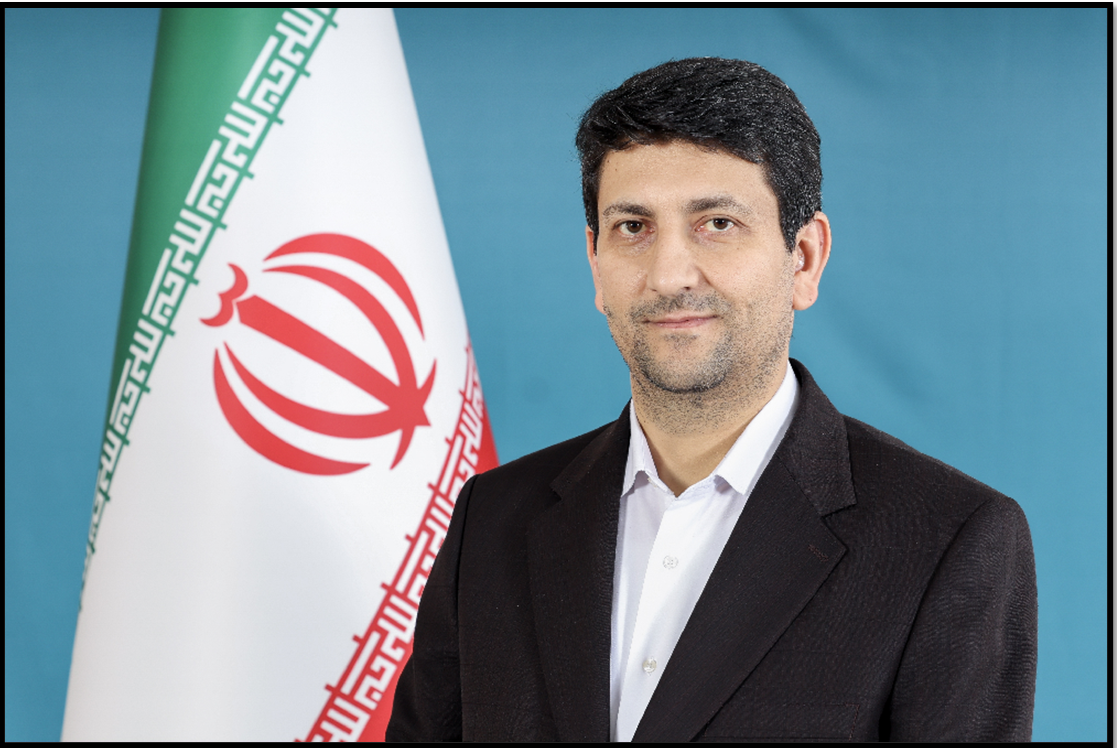
The legal mechanism used to revoke the residency of Seyed Eissa Hashemi illustrates how immigration laws can be leveraged to exert diplomatic and moral pressure on foreign regimes. By removing the “safety net” of Western residency for the elite, activists hope to create internal pressure within the Iranian regime.
Key Takeaways on the Deportation Efforts
- Targeted Action: ICE has arrested Seyed Eissa Hashemi in Los Angeles and revoked his right to stay in the U.S.
- Regime Links: Hashemi is the son of a prominent Iranian propagandist known as “Screaming Mary.”
- Activist Pressure: The arrest follows sustained campaigns by anti-Iran activists demanding the expulsion of regime-linked elite children.
- Humanitarian Contrast: The luxury lives of elite children in the U.S. Contrast with the IRGC’s recruitment of child soldiers aged 12 and older for conflict.
As the situation evolves, the focus remains on whether more members of the Iranian elite will face similar residency challenges in the United States. Notice currently no further confirmed dates for additional arrests or hearings, but activist groups continue to monitor and report on the presence of regime-linked families in the West.
We invite our readers to share their perspectives on the intersection of immigration law and geopolitical accountability in the comments below.
Related reading