
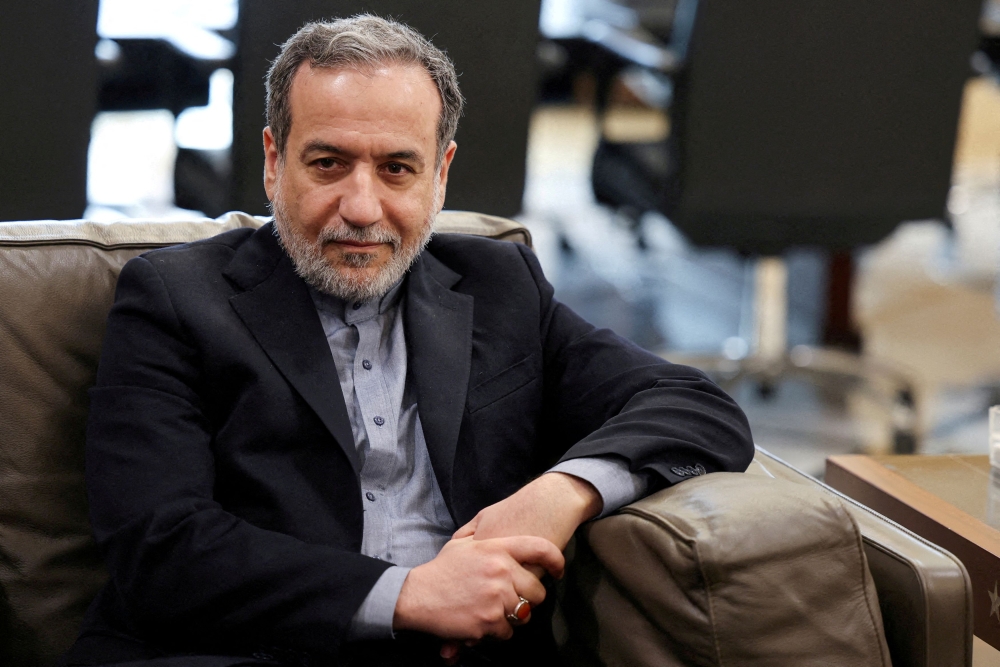
Iran’s Foreign Minister Abbas Araqchi arrived in Pakistan on Friday, April 24, 2026, amid heightened diplomatic activity surrounding stalled negotiations between Tehran and Washington. His visit to Islamabad comes as the United States prepares to send special envoys Steve Witkoff and Jared Kushner to discuss potential pathways toward de-escalation in the ongoing Iran conflict, according to verified reports from international wire services.
The timing of Araqchi’s arrival underscores Pakistan’s continued role as a neutral venue for backchannel diplomacy, particularly following the collapse of earlier U.S.-Iran talks held in the capital earlier this week. Whereas Iranian officials have framed the trip as part of a broader regional consultation tour that includes stops in Oman and Russia, Western diplomats have indicated that discussions on reviving negotiations with the U.S. Remain a central focus behind closed doors.
White House press secretary Karoline Leavitt confirmed on Friday that President Donald Trump had authorized the dispatch of Witkoff and Kushner to Islamabad, with the pair scheduled to depart on Saturday morning. She noted that while recent days had shown “some progress from the Iranian side,” the administration remains cautious about expectations for a breakthrough, emphasizing that Vice President JD Vance stands ready to join the talks only if they prove productive.
Despite the diplomatic momentum, Iranian parliamentary sources have sought to downplay the significance of Araqchi’s Pakistan visit regarding nuclear or peace negotiations. Ebrahim Azizi, head of parliament’s National Security and Foreign Policy Commission, stated on Friday that the foreign minister’s engagement in Islamabad is limited to bilateral matters and has no direct connection to ongoing discussions about Tehran’s nuclear program or regional tensions.
This divergence in messaging highlights the complexity of interpreting diplomatic movements during periods of heightened tension. While U.S. Officials characterize the weekend talks as a potential opening toward resolving the broader Iran conflict—including issues related to maritime security in the Strait of Hormuz, where shipping disruptions continue to affect global oil markets—Tehran maintains that its foreign minister’s agenda remains focused on strengthening ties with neighboring states.
The Strait of Hormuz remains a critical flashpoint, with Iranian-backed actions contributing to periodic blockades that have disrupted international oil shipments throughout 2025 and into 2026. These developments have prompted repeated U.S. Interventions, including the recent 90-day extension of a Jones Act waiver approved by the White House on Friday to ease domestic fuel supply pressures linked to elevated global prices.
Assistant press secretary Taylor Rogers confirmed that the waiver suspension—which allows foreign-flagged vessels to transport goods between U.S. Ports—was extended based on data showing improved fuel delivery efficiency under the initial measure. The decision reflects ongoing concerns about energy security as diplomatic efforts unfold thousands of miles away in South Asia.
For Araqchi, the Pakistan leg of his tour represents one component of a broader diplomatic outreach aimed at coordinating with regional partners on security developments. His earlier posts on social media indicated that the visits to Islamabad, Muscat, and Moscow are intended to align positions on “the latest efforts to finish the war,” though he did not specify which conflict he referenced, leaving room for interpretation amid multiple active theaters involving Iranian interests.
Iranian state media later clarified through a Foreign Ministry spokesperson that the tour includes consultations on bilateral cooperation and regional stability, consistent with Tehran’s long-standing emphasis on prioritizing relations with adjacent countries. However, the simultaneous movement of U.S. Envoys to the same city has fueled speculation about whether backchannel communication is occurring, even if neither side publicly acknowledges it.
The lack of confirmed face-to-face meetings between Araqchi and the American delegation as of Friday evening leaves the outcome of the weekend’s diplomatic activity uncertain. Reuters reported that it remained unclear whether a direct encounter would take place in Islamabad or be postponed to a later date, depending on evolving assessments from both capitals.
This ambiguity underscores the delicate nature of high-stakes diplomacy where public messaging often diverges from behind-the-scenes engagement. Analysts note that Pakistan’s historical role as a facilitator in U.S.-Iran communications—dating back to clandestine channels used during previous administrations—makes it a logical, if discreet, location for testing the waters toward renewed dialogue.
As of Saturday morning, no official readout had been released from either the Iranian Foreign Ministry or the White House regarding substantive progress made during the envoys’ stay in Islamabad. Observers continue to monitor for any signs of movement on core issues such as sanctions relief, nuclear verification protocols, or regional de-escalation measures that could signal a shift from the current cycle of confrontation and stalled talks.
The situation remains fluid, with all parties maintaining public positions that emphasize caution while privately exploring avenues to reduce tensions. For now, the focus remains on whether this weekend’s diplomatic convergence in Pakistan will yield tangible outcomes or simply add another chapter to the prolonged effort to find a diplomatic resolution to the Iran conflict.
Readers seeking updates on this developing story are encouraged to follow official statements from the U.S. State Department, Iran’s Ministry of Foreign Affairs, and reputable international news outlets for verified information as events unfold.
Iran’s Foreign Minister Abbas Araqchi arrived in Pakistan on Friday, April 24, 2026, amid heightened diplomatic activity surrounding stalled negotiations between Tehran and Washington. His visit to Islamabad comes as the United States prepares to send special envoys Steve Witkoff and Jared Kushner to discuss potential pathways toward de-escalation in the ongoing Iran conflict, according to verified reports from international wire services.
The timing of Araqchi’s arrival underscores Pakistan’s continued role as a neutral venue for backchannel diplomacy, particularly following the collapse of earlier U.S.-Iran talks held in the capital earlier this week. While Iranian officials have framed the trip as part of a broader regional consultation tour that includes stops in Oman and Russia, Western diplomats have indicated that discussions on reviving negotiations with the U.S. Remain a central focus behind closed doors.
White House press secretary Karoline Leavitt confirmed on Friday that President Donald Trump had authorized the dispatch of Witkoff and Kushner to Islamabad, with the pair scheduled to depart on Saturday morning. She noted that while recent days had shown “some progress from the Iranian side,” the administration remains cautious about expectations for a breakthrough, emphasizing that Vice President JD Vance stands ready to join the talks only if they prove productive.
Despite the diplomatic momentum, Iranian parliamentary sources have sought to downplay the significance of Araqchi’s Pakistan visit regarding nuclear or peace negotiations. Ebrahim Azizi, head of parliament’s National Security and Foreign Policy Commission, stated on Friday that the foreign minister’s engagement in Islamabad is limited to bilateral matters and has no direct connection to ongoing discussions about Tehran’s nuclear program or regional tensions.
This divergence in messaging highlights the complexity of interpreting diplomatic movements during periods of heightened tension. While U.S. Officials characterize the weekend talks as a potential opening toward resolving the broader Iran conflict—including issues related to maritime security in the Strait of Hormuz, where shipping disruptions continue to affect global oil markets—Tehran maintains that its foreign minister’s agenda remains focused on strengthening ties with neighboring states.
The Strait of Hormuz remains a critical flashpoint, with Iranian-backed actions contributing to periodic blockades that have disrupted international oil shipments throughout 2025 and into 2026. These developments have prompted repeated U.S. Interventions, including the recent 90-day extension of a Jones Act waiver approved by the White House on Friday to ease domestic fuel supply pressures linked to elevated global prices.
Assistant press secretary Taylor Rogers confirmed that the waiver suspension—which allows foreign-flagged vessels to transport goods between U.S. Ports—was extended based on data showing improved fuel delivery efficiency under the initial measure. The decision reflects ongoing concerns about energy security as diplomatic efforts unfold thousands of miles away in South Asia.
For Araqchi, the Pakistan leg of his tour represents one component of a broader diplomatic outreach aimed at coordinating with regional partners on security developments. His earlier posts on social media indicated that the visits to Islamabad, Muscat, and Moscow are intended to align positions on “the latest efforts to end the war,” though he did not specify which conflict he referenced, leaving room for interpretation amid multiple active theaters involving Iranian interests.
Iranian state media later clarified through a Foreign Ministry spokesperson that the tour includes consultations on bilateral cooperation and regional stability, consistent with Tehran’s long-standing emphasis on prioritizing relations with adjacent countries. However, the simultaneous movement of U.S. Envoys to the same city has fueled speculation about whether backchannel communication is occurring, even if neither side publicly acknowledges it.
The lack of confirmed face-to-face meetings between Araqchi and the American delegation as of Friday evening leaves the outcome of the weekend’s diplomatic activity uncertain. Reuters reported that it remained unclear whether a direct encounter would take place in Islamabad or be postponed to a later date, depending on evolving assessments from both capitals.
This ambiguity underscores the delicate nature of high-stakes diplomacy where public messaging often diverges from behind-the-scenes engagement. Analysts note that Pakistan’s historical role as a facilitator in U.S.-Iran communications—dating back to clandestine channels used during previous administrations—makes it a logical, if discreet, location for testing the waters toward renewed dialogue.
As of Saturday morning, no official readout had been released from either the Iranian Foreign Ministry or the White House regarding substantive progress made during the envoys’ stay in Islamabad. Observers continue to monitor for any signs of movement on core issues such as sanctions relief, nuclear verification protocols, or regional de-escalation measures that could signal a shift from the current cycle of confrontation and stalled talks.
The situation remains fluid, with all parties maintaining public positions that emphasize caution while privately exploring avenues to reduce tensions. For now, the focus remains on whether this weekend’s diplomatic convergence in Pakistan will yield tangible outcomes or simply add another chapter to the prolonged effort to find a diplomatic resolution to the Iran conflict.
Readers seeking updates on this developing story are encouraged to follow official statements from the U.S. State Department, Iran’s Ministry of Foreign Affairs, and reputable international news outlets for verified information as events unfold.