
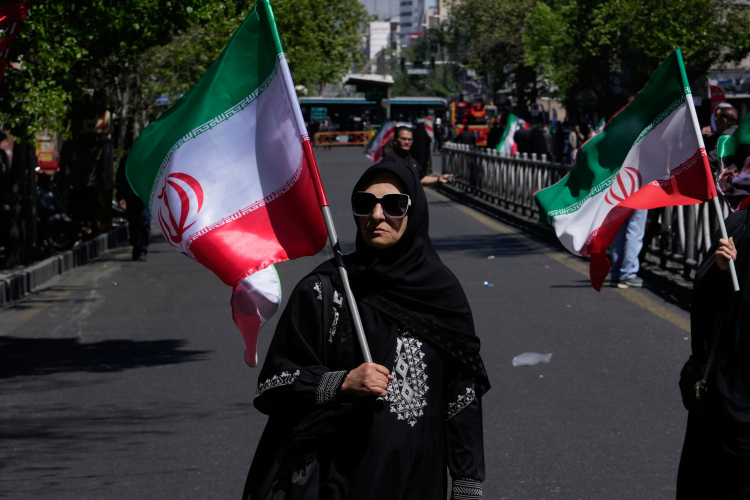
The geopolitical landscape of the Middle East has entered a volatile latest phase as Iran finds itself in a paradoxical position: severely wounded by military strikes but emboldened by a newfound strategic lever over the global energy supply. Following nearly six weeks of intense fighting, a fragile ceasefire was established on April 7, 2026, yet the stability of this agreement is currently being tested by a high-stakes standoff over the Strait of Hormuz.
While the United States claims a decisive military victory, Tehran is leveraging its control over the world’s most critical energy waterway to offset its losses. This shift in dynamics has left Iran feeling emboldened but wounded, wary of the unpredictable nature of President Donald Trump’s administration while simultaneously attempting to dictate the terms of a potential long-term settlement.
The current crisis centers on the Strait of Hormuz, a narrow chokepoint responsible for nearly one-fifth of the world’s oil and natural gas supply. Despite the ceasefire, Iran has refused to fully reopen the waterway, transforming a geographic feature into a potent economic weapon that analysts suggest may now provide more leverage than the country’s nuclear program.
The Battle for the Strait of Hormuz
The tension escalated rapidly after the ceasefire was declared. On April 9, 2026, reports surfaced that Iran was refusing to open the Strait of Hormuz, demanding that ships pay a “toll” of up to $2 million per vessel for safe passage according to MS NOW. Such a move could potentially generate up to $100 billion annually, with funds likely benefiting the Islamic Revolutionary Guard Corps (IRGC), the entity responsible for Iran’s ballistic missile program.
The impact on global shipping has been immediate and severe. Ship-tracking firm Kpler reported that on Wednesday, April 9, only four cargo ships passed through the strait, and no oil tankers were recorded. This is a drastic departure from pre-war levels, where more than 130 ships traversed the waterway daily. Currently, hundreds of vessels remain stranded in the region, including 426 tankers as reported by Kpler.
The White House has attempted to downplay the extent of the closure. Press secretary Karoline Leavitt stated on April 9 that there had been an “uptick” in activity and reiterated President Trump’s demand for the strait to be reopened. However, when asked specifically who currently controls the waterway, Leavitt declined to answer.
A Wounded Military and ‘Operation Epic Fury’
The boldness displayed by Tehran stands in stark contrast to the state of its conventional military capabilities. On April 8, 2026, U.S. Defense Secretary Pete Hegseth announced during a Pentagon press conference that “Operation Epic Fury” had resulted in a “historic and overwhelming victory,” claiming the operation decimated Iran’s military and rendered the country “combat ineffective for years to reach” per the Council on Foreign Relations.
The physical damage to Iran’s infrastructure is substantial. Just prior to the ceasefire announcement, U.S. Military forces conducted strikes on Kharg Island, a critical hub that handles approximately 90 percent of Iran’s crude oil exports according to CFR. This targeted strike on energy infrastructure underscores the vulnerability of the Iranian economy even as the state attempts to exert power over the global market.
Gregory Brew, a senior analyst with the Eurasia Group, notes that despite weeks of bombing, Iran’s ability to close the strait has placed it in a stronger strategic position. Brew suggests that by demonstrating this capability, Iran can effectively “take the global economy hostage at any time it wants” via MS NOW.
Trump’s Ultimatums and the Fragile Ceasefire
The relationship between Tehran and the Trump administration remains characterized by extreme volatility and mutual distrust. President Donald Trump announced the suspension of bombing and attacks on Iran on the condition of a “COMPLETE, IMMEDIATE, and SAFE OPENING” of the Strait of Hormuz as cited by CFR.

The tension reached a peak when Trump set an 8:00 p.m. Eastern Time deadline for the reopening of the waterway, warning that if Iran did not comply, “a whole civilization will die tonight.” Iran, however, responded by closing the strait again, citing continued Israeli attacks on Hezbollah targets in Lebanon that occurred the day after the ceasefire was called according to CFR.
This cycle of demands and retaliations highlights the “wounded but emboldened” state of the Iranian regime. While their military is depleted, their ability to disrupt the global energy flow provides a shield against total capitulation and a bargaining chip for future negotiations.
Key Takeaways of the Current Standoff
- Economic Leverage: Iran is attempting to implement a “toll” of up to $2 million per ship, potentially generating $100 billion annually for the IRGC.
- Shipping Disruption: Tanker traffic has plummeted from 130+ ships daily to zero tankers on April 9, with 426 tankers currently stranded.
- Military Status: U.S. Officials claim Operation Epic Fury has rendered Iran’s military “combat ineffective,” though the U.S. Remains prepared to restart offensive operations.
- Diplomatic Friction: The ceasefire is strained by ongoing Israeli actions in Lebanon and U.S. Demands for the immediate opening of the Strait.
Looking Ahead: The Islamabad Negotiations
The world now looks toward Islamabad, Pakistan, where negotiations for a more permanent agreement are scheduled for April 10, 2026 per CFR. These talks are expected to focus on the core issues that have defined the conflict: the status of the Strait of Hormuz and Iran’s nuclear program.
However, skepticism remains high among geopolitical experts. The disconnect between the triumphant public messaging from Tehran and the reality of their decimated military infrastructure suggests that any agreement reached in Islamabad will be a precarious balance of power. The primary question remains whether Iran will trade its control of the strait for sanctions relief or security guarantees, or if the “toll” system will become a permanent fixture of their new strategy.
The next confirmed checkpoint is the scheduled negotiation session in Islamabad on April 10. We will continue to monitor these developments as they unfold.
What are your thoughts on the current standoff in the Strait of Hormuz? Share your views in the comments below and share this article to keep others informed.