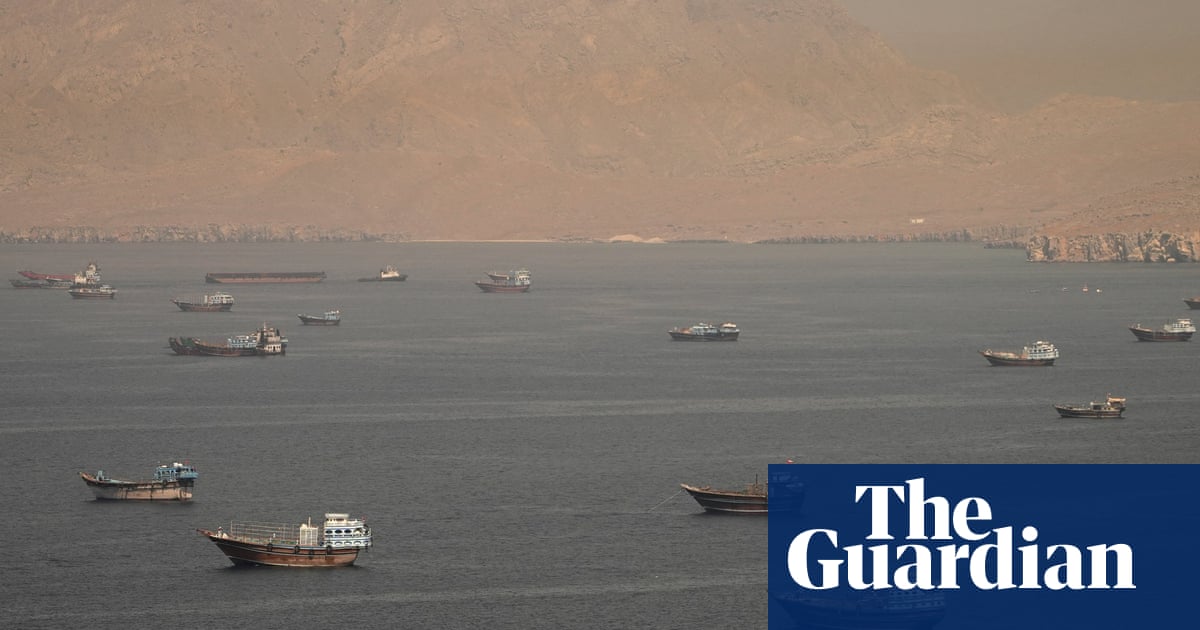
Iran is considering the implementation of maritime fees for commercial vessels traversing the Strait of Hormuz, a move that threatens to disrupt global energy supplies and challenge established international maritime laws. If enacted, these tolls would target one of the world’s most critical maritime choke points, potentially increasing costs for the global shipping industry and destabilizing oil markets.
The proposal has drawn immediate criticism from major shipping entities and international legal experts. Industry leaders argue that charging transit fees in these waters would undermine the principle of freedom of navigation, which governs much of the world’s maritime commerce. The Strait of Hormuz serves as the primary artery for petroleum exports from the Persian Gulf, with a significant portion of the world’s daily oil consumption passing through the narrow corridor.
Why is Iran proposing maritime fees in the Strait of Hormuz?
While official Iranian government statements regarding the specific timing and structure of these fees remain limited, analysts suggest the move is driven by a need for increased state revenue amid prolonged economic sanctions. By leveraging its geographic control over the Strait, Tehran could attempt to monetize the transit of goods and energy through its territorial waters. The Strait is a narrow waterway, with its shipping lanes occupying only a fraction of the total width, placing much of the transit traffic within proximity to Iranian and Omani coasts.

Economic pressures on the Iranian state have historically influenced its foreign and maritime policies. According to reports on regional economic trends, the Iranian government has sought various methods to bypass the impact of international financial restrictions. Implementing transit tolls represents a direct method of extracting value from global commerce that relies on the security and accessibility of the Persian Gulf. However, the legality of such a move remains a central point of contention among international stakeholders.
How would these tolls impact global shipping and oil markets?
The shipping industry has reacted to the potential for maritime fees with significant concern. Vincent Clerc, the CEO of Maersk, has warned that allowing a single nation to charge fees for transit through such a vital waterway would set a “dangerous precedent” for global trade. The concern among logistics giants is that if Iran successfully implements these tolls, other nations controlling strategic choke points—such as the Suez Canal or the Malacca Strait—might follow suit, leading to a fragmented and more expensive global shipping landscape.

The energy sector faces even more immediate risks. The Strait of Hormuz is essential for the movement of crude oil and liquefied natural gas (LNG). Data from international energy agencies indicates that approximately 20% to 30% of the world’s total oil consumption passes through the Strait daily. Any disruption to this flow, whether through physical conflict or the imposition of new economic barriers like transit fees, could trigger immediate volatility in global oil prices. Analysts suggest that the mere threat of such fees could cause a “risk premium” to be added to oil futures, increasing costs for consumers worldwide.
Beyond oil, the broader supply chain for consumer goods and industrial raw materials could see increased freight rates. Shipping companies typically pass transit costs directly to the cargo owners, meaning that maritime fees in the Strait of Hormuz would eventually impact the retail prices of goods in Europe, Asia, and North America.
What are the legal implications under international maritime law?
The primary legal hurdle for Iran’s proposal is the United Nations Convention on the Law of the Sea (UNCLOS). Under UNCLOS, the Strait of Hormuz is subject to the regime of “transit passage.” This legal framework ensures that ships and aircraft enjoy the right of continuous and expeditious transit through straits used for international navigation, even if those straits include the territorial waters of the coastal states.
The right of transit passage is distinct from “innocent passage.” While innocent passage allows coastal states to regulate certain activities to ensure security, it does not grant them the authority to impose tolls or impede the transit of commercial vessels. According to UNCLOS provisions on transit passage, coastal states may only regulate matters related to the safety of navigation and the prevention of pollution, and they cannot impose fees that function as a tax on the act of transit itself.
Legal experts argue that any attempt to charge fees for the simple act of passing through the Strait would likely be viewed as a violation of international law. This could lead to diplomatic confrontations or even military escalations, as many nations, including the United States, maintain a policy of ensuring freedom of navigation in international waterways through naval presence and patrols.
Comparison of Maritime Transit Regimes
To understand the gravity of the Iranian proposal, it is necessary to distinguish between the different legal statuses of international waterways:
| Regime Type | Applicable Waters | Primary Rights | Coastal State Authority |
|---|---|---|---|
| Transit Passage | International straits (e.g., Hormuz) | Continuous and expeditious transit for all vessels/aircraft | Limited to safety and pollution regulation; cannot impede transit |
| Innocent Passage | Territorial seas | Transit that is not prejudicial to the peace or security of the coastal state | Can suspend passage temporarily for security reasons |
| High Seas | Areas beyond national jurisdiction | Full freedom of navigation and overflight | No sovereign control over transit |
What happens next for international maritime security?
The international community is expected to monitor Iran’s next moves closely. While no official implementation date for maritime fees has been confirmed, the discourse surrounding the topic suggests that the Iranian government is using the threat as a lever in broader geopolitical negotiations. The response from Western powers, particularly the United States and its allies in the Middle East, will likely involve a combination of diplomatic pressure and increased naval surveillance to ensure that the freedom of navigation remains unhindered.

For shipping companies, the immediate priority is contingency planning. Many are evaluating alternative routes, though the Strait of Hormuz remains largely irreplaceable for the volume of oil required by global markets. The potential for increased insurance premiums for vessels operating in the region also remains a high-probability consequence of the ongoing tension.
Key Takeaways:
- Economic Motivation: Iran may seek fees to offset the impact of international sanctions and generate state revenue.
- Shipping Industry Warning: Major carriers like Maersk warn that such tolls would set a dangerous global precedent for maritime trade.
- Energy Security Risk: A significant percentage of global oil transit occurs through the Strait, making price volatility a primary concern.
- Legal Conflict: The proposal directly challenges the UNCLOS “transit passage” rights that protect international shipping.
The next significant checkpoint will be any official legislative or regulatory announcement from the Iranian Ministry of Petroleum or the Iranian maritime authorities regarding the formal codification of these fees. International maritime monitoring bodies are expected to provide updates as the situation develops.
What are your thoughts on the potential impact of maritime tolls on global energy prices? Share this article and join the conversation in the comments below.