
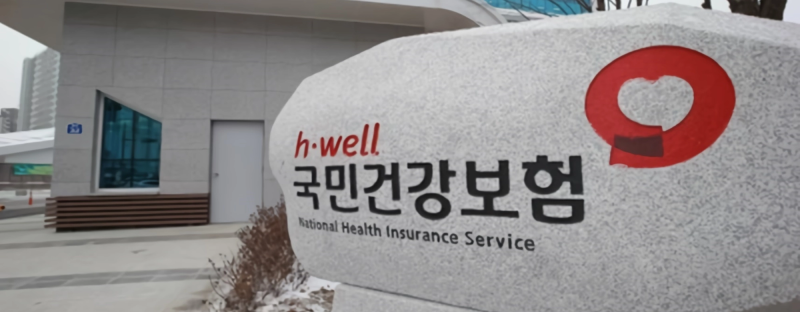
The National Health Insurance Service (NHIS) of South Korea, which oversees an annual budget exceeding 100 trillion won, faces a leadership vacuum following the sudden resignation of its chairman, Chung Ki-suk. The move, occurring just one month before his scheduled term expiration, has triggered an immediate shift in the administrative landscape of the state-run insurer, effectively ending the influence of appointees associated with the current Yoon Suk Yeol administration within the agency’s top tier.
According to official statements from the National Health Insurance Service, the board has initiated the formation of an executive recommendation committee to identify a successor. The resignation comes amid ongoing debates regarding the financial sustainability of the national insurance fund, which is expected to see increased pressure as the nation’s demographic crisis deepens and the population ages.
The Administrative Shift at the NHIS
The departure of a high-level official appointed during the current administration highlights a broader trend of personnel turnover within South Korea’s public institutions. Analysts noted that the vacancy is expected to be filled through a rigorous vetting process overseen by the Ministry of Health and Welfare. Under the National Health Insurance Act, the committee is responsible for evaluating candidates based on professional expertise in healthcare policy and financial management.

The transition arrives at a sensitive time for the agency. With an annual expenditure exceeding 100 trillion won—a figure confirmed by the Ministry of Health and Welfare in recent fiscal reports—the NHIS serves as the backbone of the country’s universal healthcare system. The incoming leadership will be tasked with balancing the rising costs of medical services against the need to maintain stable contribution rates for citizens.
Financial Sustainability and Policy Challenges
The financial stability of the NHIS is a primary concern for policymakers, given the country’s rapidly aging population. As the number of contributors decreases relative to the number of beneficiaries, the fund faces long-term structural challenges. The previous leadership had focused on optimizing expenditures and curbing unnecessary medical utilization, a policy direction that the new head will likely be expected to refine or continue.
The appointment process typically involves a public call for candidates followed by a multi-stage review. While the political background of appointees often draws public scrutiny in South Korea, the NHIS mandate requires a focus on administrative efficiency. The government has signaled that the search for a new chair will prioritize individuals with a strong background in public health administration to ensure continuity in the management of the fund’s massive assets.
What Happens Next in the Selection Process
The executive recommendation committee is currently finalizing its roster of members, a process that precedes the official opening of applications. Once the committee is fully constituted, it will publish a notice for the position, inviting applications from qualified professionals. The timeline for the final appointment remains subject to the vetting speed of the presidential office and the Ministry of Health and Welfare.
Stakeholders in the healthcare sector are closely watching the selection criteria, as the new chairman will play a decisive role in negotiating upcoming medical fee schedules and insurance coverage expansions. Further updates on the selection timeline are expected to be posted on the official NHIS website as the committee concludes its initial meetings. Readers are encouraged to monitor official government announcements for the latest developments regarding this leadership transition and its impact on national health policy.