The Shifting Sands of Iraqi Politics: What You Need to Know
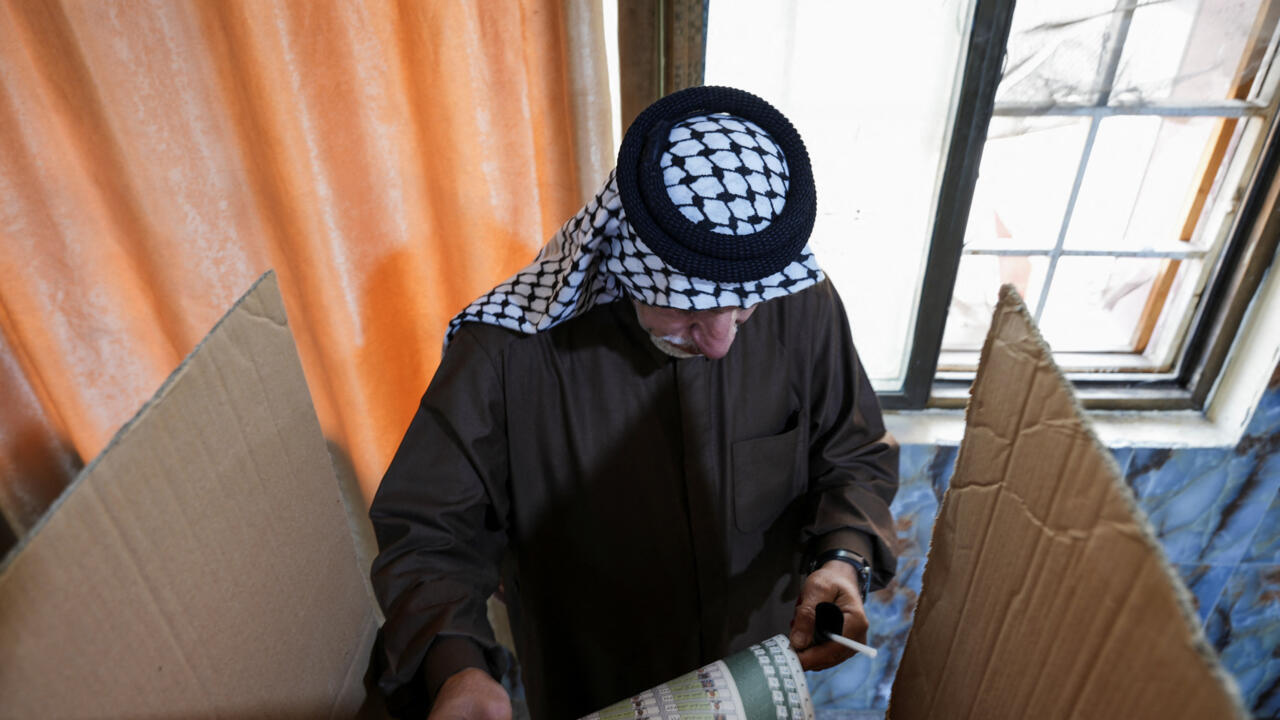
Iraq is heading to the polls amidst a complex and evolving political landscape. This election is particularly noteworthy due to the absence of a major player and the ongoing struggle for influence between regional powers. Let’s break down what’s happening and why it matters to you.
A Notable Absence: Moqtada Sadr’s Boycott
The ballot lacks the presence of Moqtada Sadr, a highly influential Shiite cleric. He’s called for a boycott, deeming the election “flawed.” Remember, in 2021, Sadr’s bloc secured the largest share of seats, but he ultimately withdrew from parliament.
This withdrawal followed disagreements with other Shiite parties who formed a larger alliance against his government-forming ambitions. The resulting tensions escalated into deadly clashes in Baghdad, highlighting the fragility of the political situation.
Key Players and Regional Dynamics
Several other forces are shaping this election:
* Sunni Parties: Expect a strong showing from the Sunni parties, particularly former speaker Mohammed al-Halbussi.
* Kurdistan Region: the long-standing rivalry between the Kurdistan Democratic Party and the Patriotic union of Kurdistan continues to be a defining feature of the autonomous Kurdistan region.
* Iran and the United States: Iraq occupies a delicate position as a close ally to both Iran and the united States. It’s striving to maintain a balance, especially as the Middle East undergoes meaningful realignment.
Iran’s Strategic Interests
Even as its regional influence potentially wanes, Iran is keen to maintain its foothold in Iraq. It represents a crucial ally, remaining outside of Israel’s direct targeting following recent conflicts impacting allies in Lebanon, Yemen, and Gaza.
For Iran, preserving its influence in Iraq is paramount. This is especially true given the losses its allies have sustained elsewhere in the region as 2023.
U.S. Pressure and a New Envoy
The United States is actively pushing for the disarmament of pro-Iran groups operating within Iraq.These groups, previously listed as terrorist organizations by Washington, temporarily halted attacks on American forces last year. This pause came after both internal pressure and direct engagement from the U.S., triggered by the conflict in Gaza.
Recently, the U.S. appointed Mark Savaya as its special envoy to Iraq. Savaya has publicly called for Iraq’s liberation from what he describes as “malign” interference from Iran and its proxies. His appointment signals a more assertive U.S. approach.
What Does This Mean for Iraq’s Future?
You can expect a period of continued political maneuvering and potential instability. The outcome of this election will significantly impact Iraq’s ability to navigate its complex relationships with regional and international powers.
Ultimately, the future of Iraq hinges on its ability to forge a path that balances its own interests with the competing agendas of its neighbors and allies. It’s a critical moment for the country, and one that will have ripple effects throughout the middle East.