Napping during the day may seem like a harmless way to recharge, but emerging research suggests that excessive or poorly timed daytime sleep could be linked to serious health risks, including increased mortality. A recent discussion in Korean health media highlighted concerns that prolonged napping might not simply reflect fatigue but could instead signal underlying conditions such as sleep-disordered breathing or circadian rhythm disruption. While the original Korean report pointed to possible connections between long naps and higher death rates, it did not specify the mechanisms or populations most at risk. To understand these claims accurately, it is essential to examine what verified medical sources say about the relationship between daytime napping, sleep disorders, and long-term health outcomes.
The primary concern raised in the source material centers on the idea that excessive daytime sleepiness—and by extension, long or frequent naps—may be a symptom rather than a cause of poor health. Specifically, the unverified snippet suggests that researchers suspect prolonged napping could result from conditions like obstructive sleep apnea, where interrupted breathing during sleep leads to non-restorative rest and consequent daytime fatigue. This aligns with established medical understanding: when nighttime sleep is fragmented due to breathing interruptions, the body attempts to compensate through daytime sleep, which may manifest as habitual napping. But, the original text does not name any specific study, research team, or publication, making it impossible to verify the exact claims without further evidence.
To assess the validity of these ideas, we turn to authoritative sources on sleep-related breathing disorders. According to the Korean Disease Control and Prevention Agency’s national health information portal, sleep apnea is broadly categorized into obstructive and central types. Obstructive sleep apnea occurs when the upper airway becomes blocked during sleep despite efforts to breathe, while central sleep apnea involves a temporary lack of respiratory effort due to neurological signaling issues. Both forms disrupt normal sleep architecture and reduce oxygen levels, contributing to poor sleep quality and excessive daytime somnolence. The portal emphasizes that such conditions are not merely inconveniences—they are associated with cardiovascular strain, metabolic dysfunction, and elevated risk of hypertension, stroke, and heart failure over time.
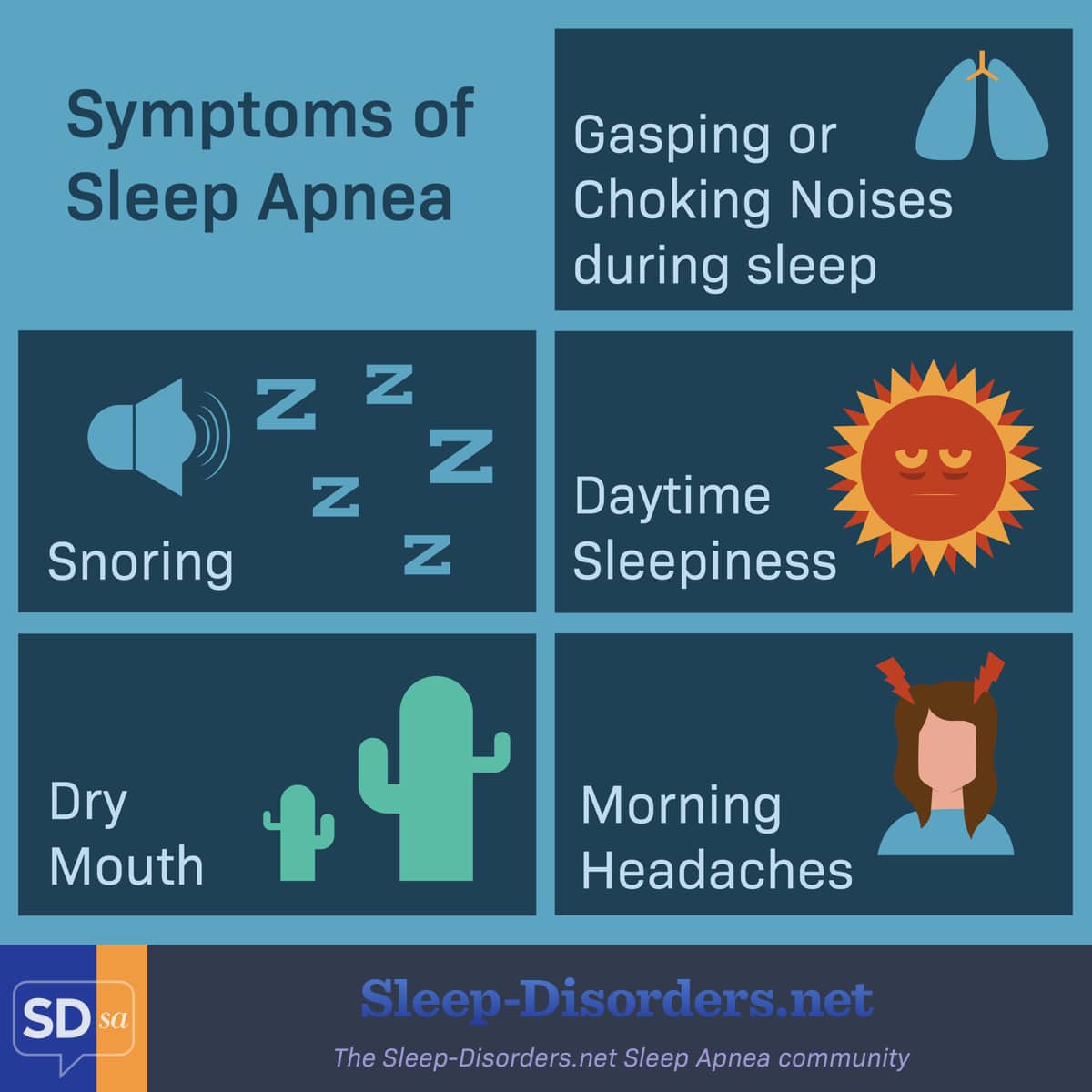
Further insight comes from Seoul National University Hospital’s medical information portal, which classifies sleep-related breathing disorders under the broader umbrella of sleep disturbances. It confirms that these disorders arise from increased airway resistance during sleep and are subdivided into central and obstructive sleep apnea syndromes. The hospital’s documentation notes that individuals suffering from these conditions often experience fragmented sleep, loud snoring, gasping episodes upon waking, and persistent daytime tiredness—symptoms that may lead them to seek relief through napping. Crucially, the hospital stresses that untreated sleep apnea significantly increases the likelihood of developing comorbidities, including insulin resistance, depression, and cognitive impairment, all of which can independently influence long-term survival.
Beyond breathing disruptions, circadian rhythm dysregulation presents another plausible explanation for why excessive napping might correlate with adverse health outcomes. The body’s internal clock, governed by the suprachiasmatic nucleus in the hypothalamus, regulates the timing of hormone release, body temperature, and sleep-wake cycles over a roughly 24-hour period. Key hormones involved include cortisol, which naturally peaks in the early morning to promote alertness and declines at night to facilitate sleep, and melatonin, which rises in darkness to signal the body that it is time to rest. When this rhythm is disrupted—by shift perform, jet lag, chronic stress, or irregular sleep schedules—the timing of these hormonal signals becomes misaligned, potentially leading to difficulty falling asleep at night and increased urge to sleep during the day.
An article from Influerio, a Korean health information platform, explains how chronic stress activates the hypothalamic-pituitary-adrenal (HPA) axis, resulting in elevated cortisol levels. Normally, cortisol follows a diurnal pattern: high in the morning to support wakefulness and low at night to allow melatonin dominance and sleep onset. However, prolonged stress can flatten or invert this rhythm, causing cortisol to remain abnormally elevated into the evening and night. This persistent elevation suppresses melatonin production, delaying sleep onset and reducing sleep quality. Individuals may experience non-restorative sleep despite spending adequate time in bed, prompting compensatory daytime napping. Over time, this cycle can exacerbate fatigue, impair cognitive function, and contribute to systemic inflammation—a known risk factor for numerous chronic diseases.
It is important to distinguish between napping as a compensatory behavior and napping as a potential independent risk factor. Short naps of 20 to 30 minutes have been shown in some studies to improve alertness, mood, and cognitive performance without negatively affecting nighttime sleep, particularly when taken earlier in the day. However, longer or later naps—especially those exceeding 60 minutes or occurring after 3 p.m.—may interfere with nocturnal sleep drive and reflect or worsen underlying sleep pathology. In individuals with untreated sleep apnea or circadian misalignment, frequent long naps may be a marker of disease burden rather than a benign habit.
The suggestion that napping is associated with higher mortality requires careful interpretation. Current evidence does not support the idea that napping itself causes death. Instead, large-scale epidemiological studies have observed correlations between prolonged daytime napping (often defined as exceeding 60 minutes per day) and increased risk of all-cause mortality, particularly in older adults or those with preexisting conditions. These associations are likely confounded by factors such as undiagnosed sleep disorders, chronic illness, depression, or sedentary lifestyle—conditions that both promote daytime sleepiness and independently raise mortality risk. Napping may serve as a behavioral indicator of poor health rather than a direct causative agent.
For example, a person with undiagnosed obstructive sleep apnea may experience repeated micro-awakenings throughout the night due to breathing pauses, resulting in light, unrefreshing sleep. Despite spending eight hours in bed, they may wake up feeling exhausted and feel compelled to nap for two or more hours during the day to cope. If left untreated, the chronic hypoxia and sympathetic nervous system activation from sleep apnea can contribute to hypertension, arrhythmias, and eventually heart failure—conditions that increase the likelihood of fatal events. In such cases, the long nap is not the danger; it is a visible symptom of an dangerous underlying condition.
Similarly, someone experiencing chronic stress-related circadian disruption may struggle to fall asleep at night due to elevated cortisol and suppressed melatonin, leading to delayed sleep onset and fragmented rest. To manage daytime fatigue, they might seize long naps, which further reduce sleep pressure at night, perpetuating the cycle. Over time, this pattern can contribute to metabolic dysregulation, immune dysfunction, and mood disorders—factors that, while not immediately lethal, accumulate to increase vulnerability to severe illness.
Given these complexities, public health guidance emphasizes evaluating the context and characteristics of napping rather than condemning the practice outright. Experts recommend monitoring nap duration, timing, and frequency, as well as assessing for accompanying symptoms such as loud snoring, witnessed breathing pauses during sleep, morning headaches, difficulty concentrating, or unexplained irritability. The presence of such signs warrants medical evaluation, particularly a sleep study (polysomnography), which remains the gold standard for diagnosing sleep apnea and other sleep-related breathing disorders.
Treatment options for obstructive sleep apnea include continuous positive airway pressure (CPAP) therapy, which uses a machine to deliver steady air pressure through a mask to preserve the airway open during sleep. Lifestyle modifications—such as weight management, avoiding alcohol before bedtime, and sleeping on one’s side—can also reduce severity in mild cases. For central sleep apnea, treatment may involve addressing underlying neurological or cardiac conditions, using adaptive servo-ventilation devices, or, in some cases, pharmacological approaches. Circadian rhythm disorders may benefit from timed light exposure, melatonin supplementation under medical supervision, and strict sleep-wake scheduling.
the key takeaway is not to fear napping itself, but to recognize when it might be a signal that something deeper needs attention. A short, early afternoon nap taken intentionally for restoration can be part of a healthy routine. In contrast, habitual, unplanned, or excessively long naps—especially when accompanied by other symptoms of poor sleep quality—should prompt a conversation with a healthcare provider. As emphasized by both the Korean Disease Control and Prevention Agency and Seoul National University Hospital, sleep-disordered breathing is common but often underdiagnosed, and early intervention can significantly improve quality of life and long-term health.
For readers seeking reliable information on sleep health, official sources such as national public health agencies and accredited medical institutions provide evidence-based guidance. While the original Korean report raised a valid concern about the potential significance of excessive napping, its claims must be understood within the broader context of sleep medicine: napping is rarely the root problem, but it can be a meaningful clue pointing toward conditions that, if left unaddressed, may indeed contribute to increased health risks over time.
If you have noticed changes in your sleep patterns, persistent daytime fatigue, or other symptoms discussed here, consider speaking with a medical professional or visiting a trusted health authority’s website for screening tools and advice on next steps. Sharing your experiences can also help others recognize when it’s time to look closer at their own sleep health.