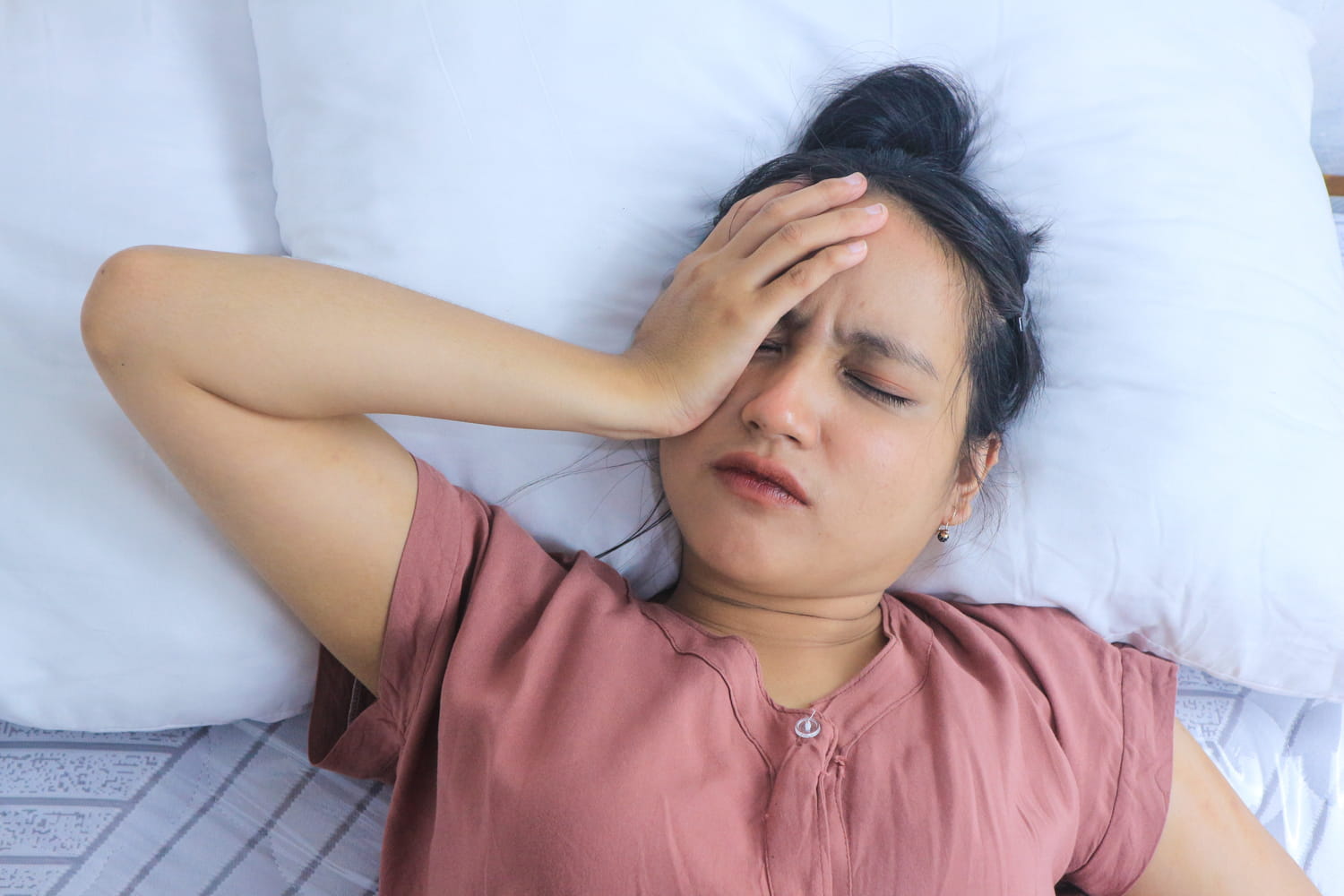
Chronic fatigue and persistent sleep disturbances may serve as clinical markers for accelerated biological aging, according to recent medical guidance. Physicians increasingly utilize specific diagnostic questioning to determine if a patient’s sleep quality is contributing to cellular senescence, a process where cells stop dividing and accumulate, potentially driving age-related pathologies.
The Clinical Link Between Sleep and Cellular Aging
Medical researchers have long established that sleep is not merely a period of rest but a critical phase for systemic repair and metabolic regulation. According to the National Heart, Lung, and Blood Institute (NHLBI), chronic sleep deficiency is associated with an increased risk of cardiovascular disease, obesity, and cognitive decline. These conditions are considered hallmarks of accelerated biological aging, as they reflect a premature decline in physiological function.

The core of the clinical assessment involves evaluating “sleep architecture”—the cyclical pattern of sleep stages an individual experiences. When these cycles are frequently interrupted, the body’s ability to clear metabolic waste, such as beta-amyloid proteins in the brain, is compromised. The Centers for Disease Control and Prevention (CDC) notes that adults require seven or more hours of sleep per night for optimal health, yet millions report symptoms of insomnia or sleep apnea that effectively disrupt these restorative processes.
Diagnostic Questions: Identifying Sleep-Related Risks
To assess whether a patient’s sleep habits are accelerating the aging process, medical professionals often look beyond simple sleep duration. They focus on the quality of recovery and the presence of “sleep debt.” A primary diagnostic question often used in clinical settings is: “Do you feel refreshed upon waking, or does your fatigue persist despite getting a full night of sleep?”

Persistent daytime sleepiness, even after spending sufficient time in bed, often points to underlying disorders like obstructive sleep apnea or fragmented sleep cycles. Research published by the Sleep Foundation suggests that when the body remains in a state of high physiological stress due to poor sleep, it triggers an inflammatory response. This chronic low-grade inflammation, sometimes termed “inflammaging,” is a documented driver of DNA damage and shortened telomeres, which are protective caps on the ends of chromosomes that naturally shorten as we age.
Factors Influencing Sleep Quality
Several external and internal factors influence how quickly sleep deficiency might impact an individual’s health trajectory. These include:
- Circadian Misalignment: Working night shifts or having irregular sleep schedules can disrupt the body’s internal clock, affecting hormonal regulation, including cortisol and melatonin levels.
- Sleep Hygiene: The use of blue-light-emitting devices before bedtime can suppress melatonin production, delaying sleep onset and reducing the amount of deep, restorative sleep.
- Underlying Health Conditions: Chronic pain, anxiety, and metabolic disorders can prevent the body from entering the deeper stages of sleep necessary for cellular repair.
The World Health Organization (WHO) has previously highlighted that non-communicable diseases linked to lifestyle factors—including poor sleep—are the leading causes of mortality globally. By identifying these issues early through targeted medical inquiry, patients can implement behavioral or clinical interventions to mitigate long-term health risks.
Next Steps in Clinical Evaluation
If you find that chronic fatigue interferes with your daily functioning, clinical guidelines recommend consulting a primary care provider to rule out physiological sleep disorders. A formal sleep study, or polysomnography, remains the gold standard for diagnosing conditions like sleep apnea. Patients are encouraged to track their sleep patterns for two weeks prior to a consultation, noting both time of onset and instances of mid-night waking.

The medical community continues to refine how we measure the impact of sleep on aging. Future updates from the American Academy of Sleep Medicine regarding clinical practice guidelines will likely provide more granular data on the relationship between sleep architecture and biomarkers of aging. We welcome your experiences with sleep health—please share your thoughts or questions in the comments section below.