Efforts to secure a comprehensive peace deal with Iran appear to be in jeopardy as Israel continues military operations in Lebanon, openly defying direct demands from U.S. President Donald Trump. The tension between the White House and the Israeli government has escalated following a series of airstrikes that have disrupted a fragile ceasefire and complicated diplomatic maneuvers aimed at stabilizing the region.
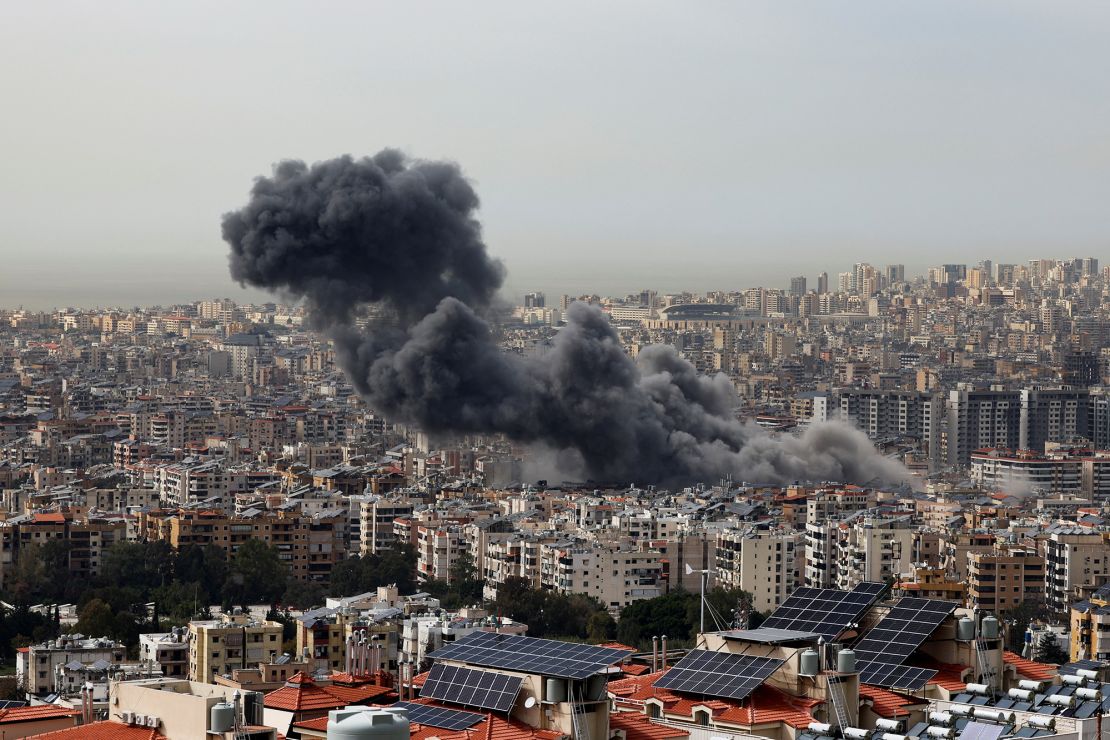
The friction comes at a critical juncture for the Trump administration, which has been attempting to broker a broader agreement with Iranian leadership. A central requirement from Tehran in these negotiations has been the cessation of Israeli military activity in Lebanon. However, the Israeli military confirmed on Saturday that it carried out about 50 airstrikes
targeting what it identified as Hezbollah infrastructure sites, according to reporting from NBC News.
The latest barrage of strikes resulted in at least seven deaths on Saturday, signaling a persistent gap between U.S. Diplomatic objectives and Israeli security operations. This defiance follows an unusually fierce demand issued by President Trump last month, in which he declared that Israel was prohibited by the U.S.A
from bombing Lebanon any longer
.
The current volatility is rooted in a broader humanitarian crisis triggered by an Israeli invasion of Lebanon in March 2026. According to data from Lebanon’s Ministry of Public Health, the conflict has resulted in at least 2,618 deaths and 8,094 injuries. The scale of displacement is equally severe, with more than 1 million people—including 350,000 children—forced from their homes per NBC News coverage.
The Friction Between Trump and Netanyahu
The relationship between President Trump and Prime Minister Benjamin Netanyahu has historically been characterized by strong alignment, but the current crisis in Lebanon has exposed significant strategic divergences. While Trump has publicly pushed for a ceasefire to facilitate a deal with Iran, the Israeli government has maintained that neutralizing Hezbollah infrastructure is a non-negotiable security priority.
Earlier this week, the White House shifted its tone from direct prohibition to a more nuanced request. President Trump told Israel’s Channel 12 that he had personally asked Prime Minister Netanyahu to act in a more targeted way in Lebanon
. Trump further suggested that the extensive level of destruction caused by the Israeli military gives Israel a bad image
, according to reports from Drop Site News.
Despite these pleas and a temporary ceasefire agreed to at the behest of the U.S. Administration, the Israeli military has continued to level entire neighborhoods in towns and villages across Southern Lebanon. The persistence of these strikes suggests that the Israeli security establishment may be prioritizing the degradation of Hezbollah’s capabilities over the diplomatic timelines set by Washington.
Impact on Iran Peace Negotiations
The geopolitical stakes of these airstrikes extend far beyond the borders of Lebanon. The Trump administration’s efforts to reach a peace deal with Iran are predicated on a reduction of regional hostilities. Because Hezbollah is a primary proxy for Iran, the ongoing conflict in Lebanon serves as a direct flashpoint that Iranian negotiators are using as leverage.
Iranian leaders have explicitly tied their willingness to engage in meaningful talks with the United States to the halting of the Israeli siege on Lebanon. By continuing its bombing campaign, Israel is effectively undermining the U.S. Government’s ability to offer guarantees to Tehran, potentially stalling a deal that could address nuclear proliferation and regional influence.
The disconnect is evident in the sequence of events: the U.S. Demands a halt to bombing to satisfy Iranian preconditions, Israel agrees to a ceasefire, yet the Israeli military continues high-volume airstrikes. This cycle creates a perception of U.S. Impotence or inconsistency, which may embolden Iranian hardliners to demand further concessions before returning to the negotiating table.
Humanitarian Toll and Regional Stability
The humanitarian situation in Southern Lebanon has reached a breaking point. The March invasion sparked a crisis that has displaced a significant portion of the population, creating a logistical and medical emergency. The displacement of 1 million people has strained Lebanese infrastructure to its limit, while the death toll continues to rise with each new wave of strikes.
The destruction of residential neighborhoods and civilian infrastructure has not only created a refugee crisis but has also complicated the possibility of a lasting peace. As more civilians are affected, the political pressure within Lebanon to resist any deal that does not include a total Israeli withdrawal and a permanent ceasefire increases, further complicating the diplomatic landscape for the U.S. And Iran.
What Happens Next
The immediate future of the Iran peace talks depends on whether the Trump administration can successfully pressure the Israeli government to adhere to the ceasefire or if it will pivot its strategy to accommodate Israel’s security goals. If the U.S. Cannot ensure a cessation of hostilities in Lebanon, the probability of a breakthrough with Tehran diminishes significantly.
Diplomatic observers are closely watching for any official response from the White House regarding the Saturday airstrikes. Whether the administration will impose diplomatic costs on Israel or simply adjust its expectations for the Iran deal remains the central question for regional stability.
The next confirmed checkpoint for the region will be the upcoming diplomatic review of the ceasefire terms and the scheduled high-level talks between U.S. And Iranian representatives to determine if the preconditions for a peace deal can still be met.
World Today Journal encourages readers to share this report and leave comments below regarding the intersection of U.S. Diplomacy and regional security in the Middle East.
Worth a look