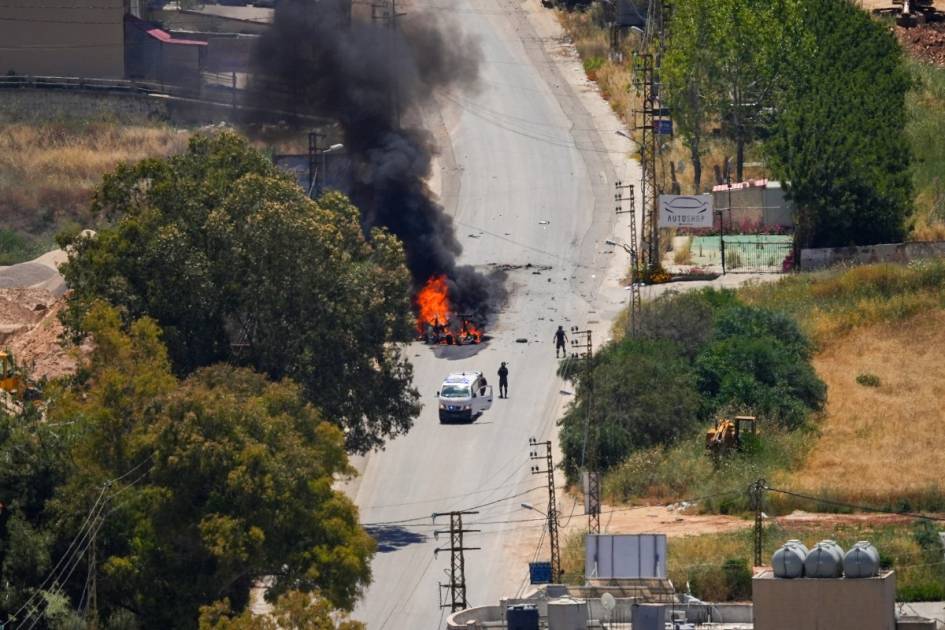
Heightened military activity across the Lebanon-Israel border has intensified in recent days, marked by Israeli airstrikes targeting the southern suburbs of Beirut and reports of ground maneuvers near Nabatieh. These developments represent a significant escalation in the ongoing regional conflict, raising urgent questions regarding the shifting rules of engagement between the Israel Defense Forces (IDF) and Hezbollah.
As of June 8, 2026, the situation remains volatile, with both aerial bombardments and localized ground operations contributing to a rapidly evolving security landscape. International observers and regional powers are closely monitoring these movements, which follow a period of sustained cross-border fire that has strained the stability of the Southern Levant region.
Military Escalation in Beirut and South Lebanon
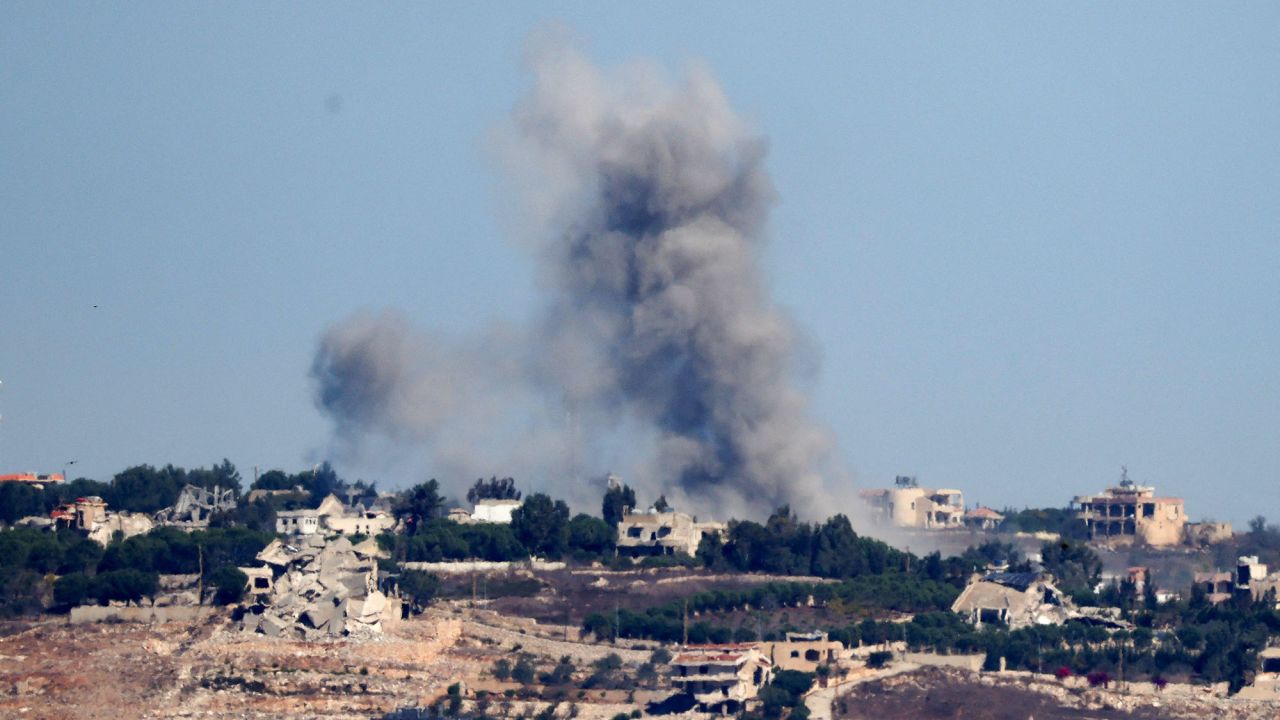
The Israeli military has conducted a series of targeted airstrikes in the Dahiyeh district, located in the southern suburbs of Beirut, a move that signals a broadening of the theater of operations. According to official statements from the IDF, these strikes were aimed at specific command infrastructure belonging to Hezbollah. The use of air power in the capital’s suburbs is widely viewed as a departure from the localized skirmishes that have characterized the border conflict since October 2023.
Simultaneously, reports from southern Lebanon indicate intensified ground-level activity, particularly in the vicinity of Nabatieh. While the IDF maintains that these actions are necessary to dismantle tunnel networks and defensive positions, the presence of troops in these areas has prompted alarm among local populations and international diplomatic missions. The military strategy appears to prioritize the neutralization of long-range capabilities, as detailed in recent briefings by Israeli security officials regarding the threat posed by cross-border rocket fire.
Diplomatic Channels and the U.S. Role
The acceleration of these strikes has triggered immediate diplomatic activity, with reports confirming that Israeli authorities communicated with Washington prior to the commencement of the Beirut operations. This coordination reflects the ongoing efforts by the United States to manage the scale of the conflict and prevent a broader regional war. According to reporting from major news outlets, the U.S. administration has urged restraint, emphasizing the risks of further destabilization in Lebanon.
Despite these diplomatic efforts, the current trajectory suggests that the parties involved are operating under a new set of tactical assumptions. The willingness of the IDF to strike deep into Lebanese territory—and the corresponding increase in Hezbollah’s rocket fire into northern Israel—indicates that previous deterrents have largely collapsed. The situation is further complicated by the internal political pressures within Israel, where government officials face competing demands regarding security and the management of the ongoing war effort.
Impact on Regional Stability
The humanitarian and economic consequences of this intensification are significant. Displacement in southern Lebanon has surged as residents flee areas near the front lines, while communities in northern Israel continue to live under the constant threat of rocket barrages. The regional impact is exacerbated by the involvement of various actors, including regional powers that maintain influence over the conflict’s trajectory.
As the conflict continues, the primary concern for international organizations remains the protection of civilians and the restoration of a stable ceasefire. The “rules of engagement”—the tacit understandings that previously governed the limits of violence—have effectively been set aside. Future developments will depend heavily on whether the current military pressure leads to a negotiated settlement or further entrenchment of the opposing forces.
Next Steps and Official Updates
The situation remains highly fluid, with observers looking toward upcoming meetings between international envoys and government officials in both Beirut and Jerusalem for signs of a potential de-escalation. There is no current scheduled date for a formal ceasefire agreement; however, the United Nations and other international bodies continue to facilitate back-channel discussions to prevent the conflict from spreading further into the Levant.
For the latest verified updates, readers are encouraged to monitor official statements from the Israel Defense Forces and the Lebanese government’s media office. As this story develops, further details regarding the scope of the ground operations and the casualty figures will be released by established humanitarian agencies on the ground. We will continue to track these developments as more information becomes available.
This is a developing situation. Please share your thoughts or updates in the comments section below to contribute to our ongoing coverage of regional affairs.